







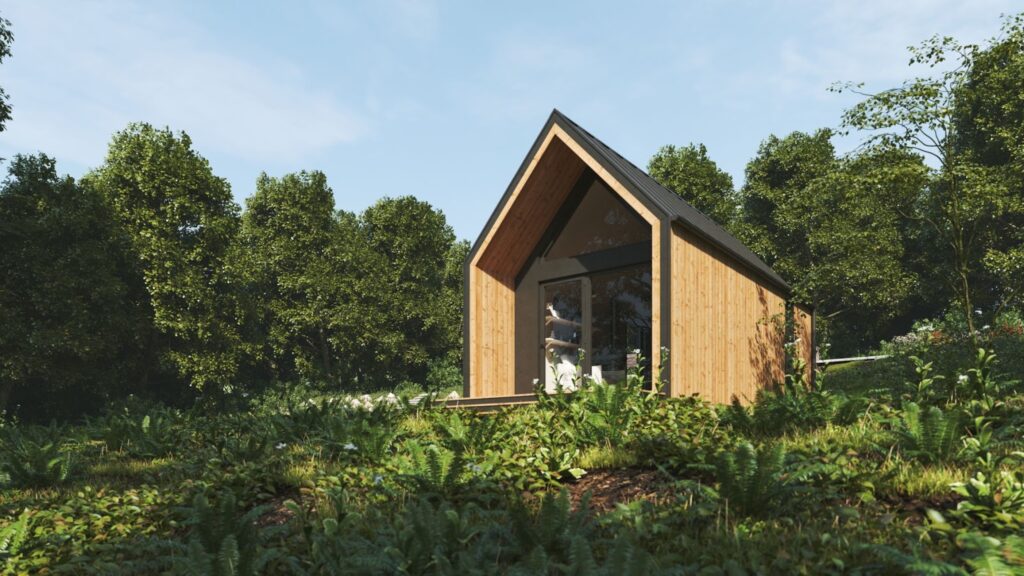
The tiny home movement has captured imaginations around the world. Sleek designs, clever space-saving hacks, and idyllic images of minimalist living fill social media and design blogs. But beyond the Instagram-worthy photos lies a reality that’s often glossed over. This article unpacks both the beauty and the challenges of tiny home life—providing a grounded, expert-level perspective that’s informative and practical.
What Is a Tiny Home?
Tiny homes are compact living spaces traditionally ranging from 100 to 400 square feet. They can be stationary or built on trailers for mobility. What truly distinguishes them isn’t size alone—it’s a philosophy that prioritizes simplicity, intentionality, and efficient living.
According to the U.S. Department of Housing and Urban Development, tiny homes can be classified as accessory dwelling units (ADUs) or alternative housing models that address affordability and sustainability challenges.¹
The Aesthetic Appeal: Why Tiny Homes Captivate Us
Minimalism Meets Design
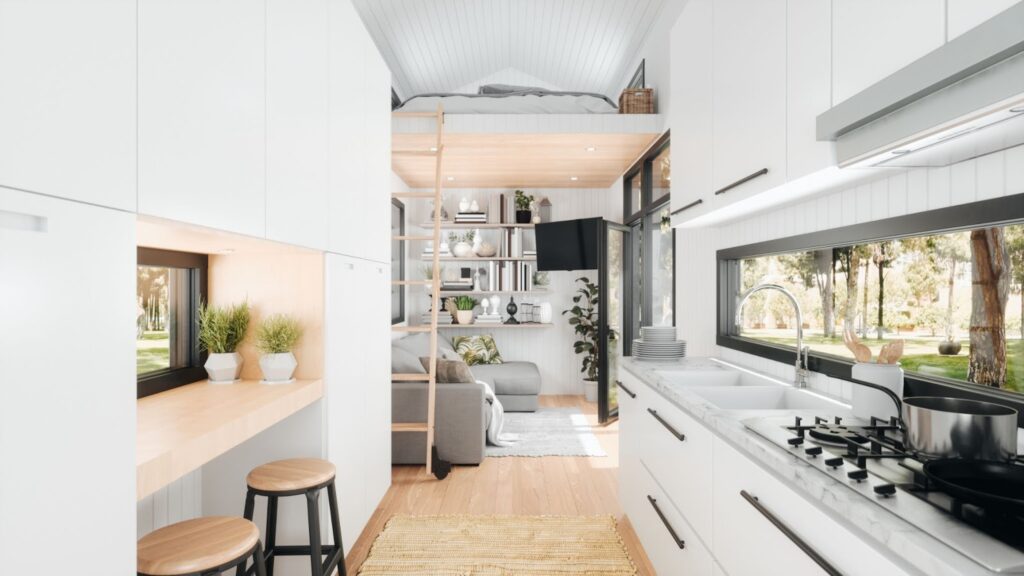
One major draw of tiny living is its aesthetic clarity. Clean lines, multifunctional furniture, and curated décor create spaces that feel intentional and peaceful. Designers often use:
- Lofted beds to maximize vertical space
- Built-in storage that hides clutter
- Light colors and natural materials to amplify openness
This aesthetic is more than visual; it reflects a lifestyle choice: fewer possessions, less distraction, and more focus on what matters.
A Promise of Freedom
Many people associate tiny homes with financial freedom and mobility. Lower mortgage or building costs can mean less debt and more latitude to travel, work remotely, or pursue passions outside of conventional work structures.
The Brutal Truth: Challenges Beneath the Surface
While tiny homes offer compelling benefits, there are realities that prospective dwellers must confront.
Physical Constraints Aren’t Just Cute
Living in a tiny space means redefining what “room” means. Tight quarters affect daily activities:
- Sleeping, cooking, and living all occur within arm’s reach.
- Limited cupboards demand ruthless decluttering.
- Bathrooms are often compact, with smaller showers or wet baths.
Many find that initial enthusiasm gives way to spatial fatigue—especially if they underestimate storage needs or entertainment limitations.
Utility and Comfort Considerations
Tiny homes don’t always come with the same infrastructure as traditional houses. Depending on location and build:
- Electricity may depend on off-grid solar setups
- Water can be stored in tanks rather than direct municipal hook-ups
- Heating and cooling require efficient planning
For instance, a tiny home owner in a northern climate must think strategically about insulation and heat sources because small spaces can heat up and cool down rapidly.
Zoning and Legal Hurdles
Not all regions treat tiny homes as legitimate dwellings. Zoning laws vary dramatically, and some areas restrict tiny homes on wheels or ADUs. Before investing in land or a build, research local regulations to avoid costly mistakes.
For U.S. readers, the American Planning Association provides an overview of zoning challenges and solutions relevant to tiny and alternative housing.²
Real-World Examples: Lessons From Tiny Home Residents
Case Study: Minimalists Who Stayed Minimal
A couple in Oregon reported that downsizing improved their relationship with belongings. By adopting multi-purpose furniture and strict organization routines, they maintained spaciousness despite the small footprint.
Key takeaway: Successful tiny living often depends on discipline and planning, not just design.
Case Study: Families Making It Work
Tiny homes aren’t just for singles and couples. Some families adapt by:
- Using outdoor living spaces as extensions
- Building slide-out or convertible rooms
- Prioritizing flexible sleeping arrangements
Families who thrive emphasize intentionality and clear expectations around shared space.
Practical Tips Before You Dive In
Do a Trial Run
Before committing, try living in a small cabin, RV, or even a guest house with less square footage than you’re used to. This helps:
- Test your tolerance for compact living
- Reveal storage needs
- Expose habits that won’t easily fit
Choose Storage With Purpose
Every square inch counts. Smart solutions include:
- Under-bed drawers
- Stairs with built-in cabinets
- Ceiling-mounted storage racks
Embrace Outdoor Space
A well-designed porch or deck can function as your “third room”—especially in temperate climates.
The Bigger Picture: Is Tiny Living Right for You?
Tiny home living isn’t a universal solution—but it can be a powerful one for the right people. It demands self-awareness about habits, a willingness to compromise, and thoughtful planning. For those prepared to embrace these realities, tiny homes can offer financial relief, environmental benefits, and a clear aesthetic that’s both functional and beautiful.
However, if you value expansive space, frequent hosting, or abundant belongings, a tiny home may feel limiting rather than liberating.
Conclusion
The allure of tiny homes is undeniable—beautiful design, sustainable living, and potential financial advantages make them attractive. Yet the lifestyle isn’t inherently easy or perfect. Challenges like space limitations, utilities, zoning laws, and lifestyle adjustments require honest consideration. By balancing aesthetic appeal with lived realities, you can make a wiser choice and discover whether tiny home living truly aligns with your goals.


