






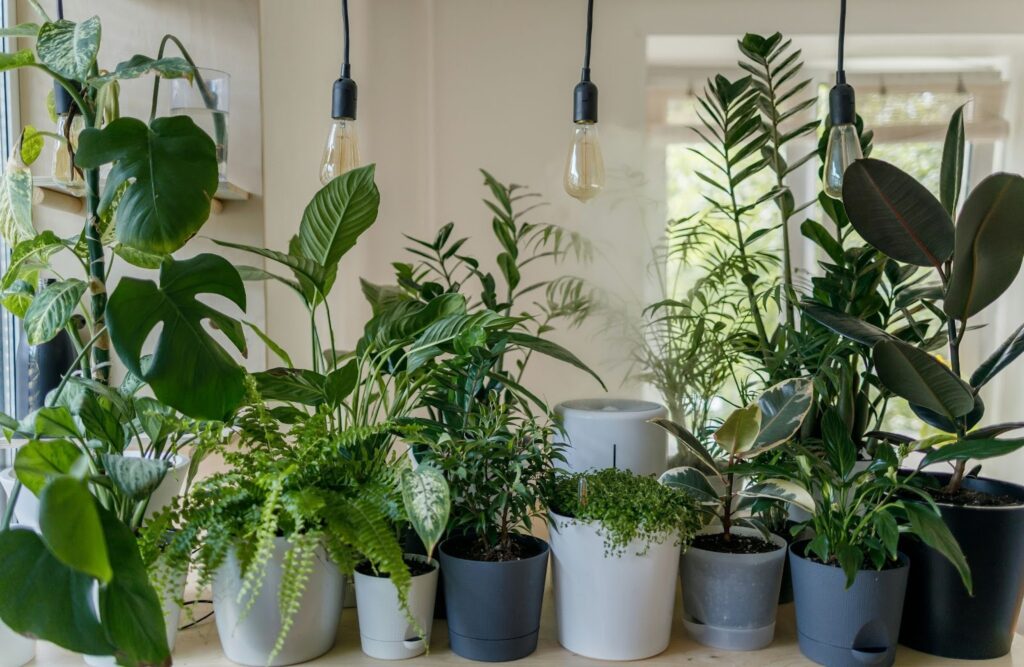
Houseplants can brighten a home, improve air quality, and even boost your mood—but for many beginners, keeping them alive feels like a guessing game. Whether you’ve unintentionally drowned succulents or watched spider plants wilt, this practical guide breaks down the fundamentals of plant care into clear, experience-tested steps that even the most plant-challenged person can follow.
Why Houseplants Struggle (And How to Fix It)
Many common issues come down to a few core care elements: light, water, soil, and consistency. Understand these cornerstones, and your confidence will grow as your plants do.
The Four Core Needs of Any Houseplant
Light: Nature’s Fuel
Plants convert light into energy through photosynthesis. Too little light and growth slows; too much direct sun can scorch leaves.
- Bright, indirect light: Ideal for most common houseplants like pothos and peace lilies.
- Low light: Good for tolerant plants such as ZZ plants and snake plants.
- Direct light: Best for sun-loving species like cacti and succulents.
- Watch how light changes in your space throughout the day and season—rotate plants regularly so growth stays even rather than leaning toward a window.
Water: Less Is Often More
Watering isn’t “one size fits all,” but most indoor plants prefer moist—never soggy—roots.
- Finger test: Gently push your finger about an inch into the soil. If it feels dry, it’s usually time to water.
- Avoid overwatering: Too much water can suffocate roots and lead to root rot—the number one killer of houseplants.
- Drainage matters: Always use pots with drainage holes. If water stands at the bottom, remove the saucer after watering.
- Water deeply, less often: When you water, do it thoroughly so the entire root ball gets hydrated. Allow excess to drain.
Real-World Tip: Succulents and cacti can go longer between waterings; most leafy tropical plants want water when the top few inches of soil are dry.
Soil and Pots: The Plant’s Foundation
Healthy soil ensures plants get oxygen, moisture, and nutrients.
- Use quality potting mix: For most indoor plants, a loose, well-draining mix is best.
- Match soil to plant type: Succulents and cacti need a fast-draining mix; tropical plants like mixes that hold a bit more moisture.
- Repot when needed: If roots grow out of drainage holes or water runs straight through the pot, it’s time for a larger home. Spring or early summer is ideal for repotting.
Seasonality & Environment
Temperature
Most houseplants prefer stable indoor temperatures between 65–75°F (18–24°C). Avoid placing plants near heaters, air conditioners, or drafty windows.
Humidity
Tropical plants appreciate higher humidity levels (above ~40%). You can increase humidity by:
- Grouping plants together
- Placing plants on trays with water and pebbles
- Using a small humidifier
Succulents and desert-type plants are happier in drier air.
Practical Care: What to Do Week by Week
Weekly Checklist
- Check soil moisture: Feel the top 1–2 inches before watering.
- Light assessment: Notice any leaning or fading; move plants slightly if needed.
- Dust leaves gently: Clean leaves so plants can absorb light efficiently.
- Remove dead leaves: Pruning old or yellow foliage promotes healthy new growth.
Monthly or Seasonal Tasks
- Fertilize during active growth: Feed plants lightly during spring and summer.
- Rotate pots: Keeps growth balanced on all sides.
- Evaluate pot size: Move to a larger container if growth accelerates and roots become crowded.
Choose the Right Plants for Your Home
Start with hardy, forgiving plants to build confidence:
- Snake Plant: Tolerant of low light and sporadic watering.
- Pothos: Grows in diverse light conditions and rebounds easily.
- Spider Plant: Thrives on a bit of neglect.
- Peace Lily: Signals when it needs water by drooping slightly.
- Succulents: Great for forgetful waterers (just don’t overdo the watering).
Troubleshooting Common Issues
- Wilting or yellow leaves: Often a sign of overwatering or insufficient light.
- Leggy growth: Plant is reaching for more light—move it closer to a bright window or supplement with grow lights.
- Pests: Isolate affected plants and remove pests manually or with natural insecticidal soap.
Conclusion: Keep It Simple, Stay Consistent
The secret to keeping houseplants alive isn’t mastering every rule—it’s understanding the basics and observing your plants. Homes vary in light, humidity, and temperature; learning how your space affects your greenery will make you a better plant partner. Start with easy-care species, follow a simple routine, and adjust based on what your plants are telling you. With a little attention and patience, even “black thumbs” can cultivate thriving indoor gardens.


