







In today’s world, making your home more energy-efficient isn’t just about reducing utility bills — it’s also about enhancing comfort, boosting property value, and decreasing your environmental impact. Energy-efficient upgrades help conserve resources, improve indoor quality, and can make everyday living more predictable and comfortable. With thoughtful planning and smart choices, homeowners can achieve meaningful improvements without major disruption. Below is a clear, experience-based guide to effective upgrades you can consider, with practical examples and reliable sources for deeper learning.
Why Energy Efficiency Matters
Upgrading your home’s energy performance means using less energy to heat, cool, and power daily living. According to the U.S. Department of Energy, buildings account for around 40% of total energy consumption; reducing waste and improving efficiency lessens that burden while creating a more comfortable and cost-effective living space. An energy assessment or audit is often the best first step to understanding where improvements can be most impactful.
Energy-efficient homes often sell faster and at higher values than those with outdated systems. Homebuyers increasingly prioritize lower ongoing costs and eco-friendly features, making upgrades a long-term investment as well as a lifestyle improvement.
Start With a Smart Assessment
Conduct a Home Energy Audit
Before you replace systems or install upgrades, understand how your home currently performs. Professional or DIY energy audits can identify drafts, insulation gaps, inefficient appliances, and areas of air leakage.
What an audit looks for:
- Air infiltration around windows, doors and outlets
- Heat loss in the roof, walls and attic
- Inefficient HVAC systems
- Appliance and lighting inefficiencies
Tools using infrared cameras or blower-door tests can help pinpoint problems that aren’t visible to the untrained eye, making the audit a foundational step.

High-Impact Upgrades That Pay Off
Insulation and Air Sealing
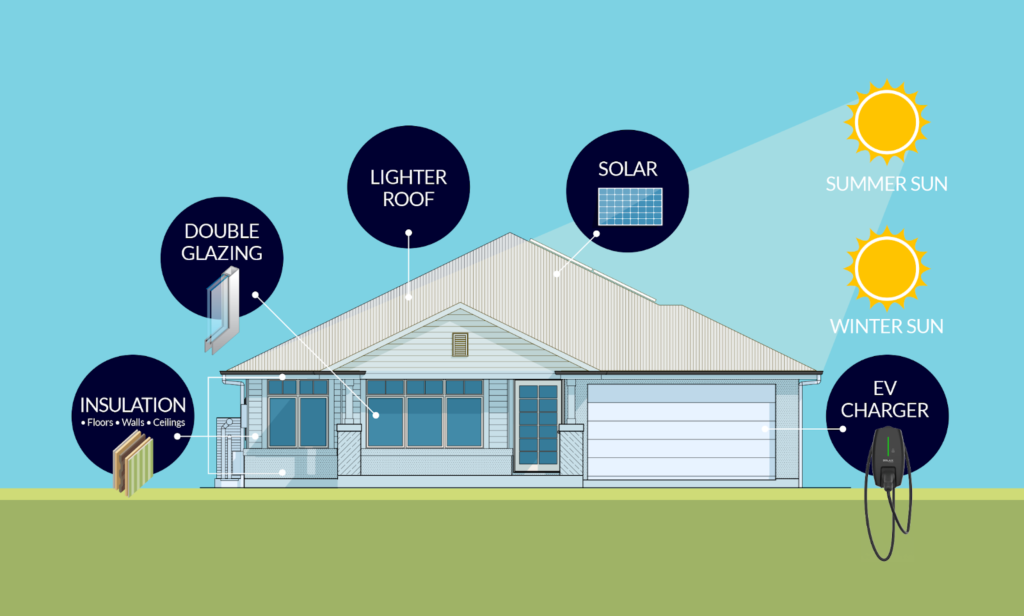
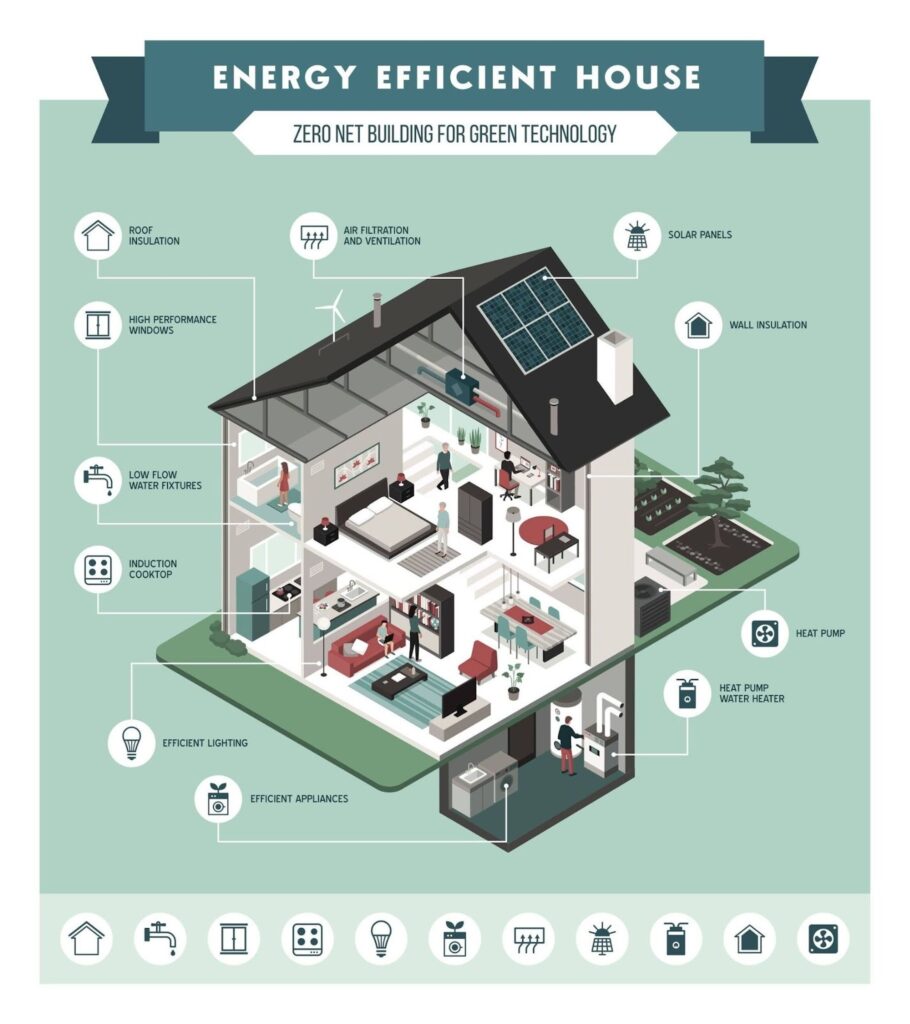
A well-insulated home maintains temperature more effectively, reducing the load on heating and cooling systems. Adding insulation or improving existing layers in attics, walls, and floors creates a more stable indoor environment and can cut energy usage significantly.
Practical upgrades include:
- Blown-in attic insulation
- Spray foam in gaps and penetrations
- Weather-stripping around doors and windows
- Sealing ductwork to prevent conditioned air loss
These improvements aren’t glamorous, but they have some of the strongest returns in comfort and savings.
Windows and Doors
Windows and doors are among the biggest sources of heat transfer, especially in older homes. Energy-efficient models with Low-E coatings and double or triple glazing can reduce heat loss in winter and heat gain in summer. Consider adding storm windows or insulating curtains for additional performance.
Heating, Ventilation, and Cooling Systems
Upgrading or maintaining HVAC equipment dramatically affects energy consumption:
- Replace old furnaces or air conditioners with high-efficiency models.
- Install a programmable or smart thermostat to adapt the temperature to your schedule.
- Insulate heating ducts and ensure regular tune-ups.
Don’t underestimate maintenance: a well-tuned system often outperforms a newer, poorly maintained one.
Lighting and Appliances
Lighting and appliances are relatively easy and affordable to upgrade:
- LED bulbs use up to 80–90% less energy than incandescent bulbs and last much longer.
- Choose appliances with ENERGY STAR™ ratings for refrigeration, washing, HVAC systems, and water heaters.
Each small upgrade adds up to measurable savings when combined.
Renewable Energy and Advanced Systems
For significant long-term gains, consider:
- Solar panel installation to generate your own electricity.
- Heat pump systems that use ambient heat for efficient warming and cooling.
- Battery storage for peak shifting and backup resiliency.
While more expensive upfront, these systems can dramatically lower utility costs and may qualify for rebates or incentives in many regions.
Everyday Actions That Support Efficiency
Even routine habits make a difference:
- Lower thermostat settings slightly in winter and raise them in summer.
- Use ceiling fans to improve air circulation.
- Wash clothes in cold water and air-dry when possible.
- Unplug electronics not in use.
Combined with physical upgrades, behavioural changes reinforce energy savings.
Conclusion: Build Comfort and Value With Intentional Upgrades
Energy-efficient home upgrades offer more than just cost savings — they enhance comfort, reduce environmental impact, and strengthen property value. From sealing air leaks to smart appliances and renewable energy systems, every step contributes to a more efficient, resilient home. Begin with a comprehensive audit, prioritize high-impact improvements, and layer in additional technologies as needs and budget allow. Thoughtful planning and incremental upgrades can deliver substantial benefits over time.


