







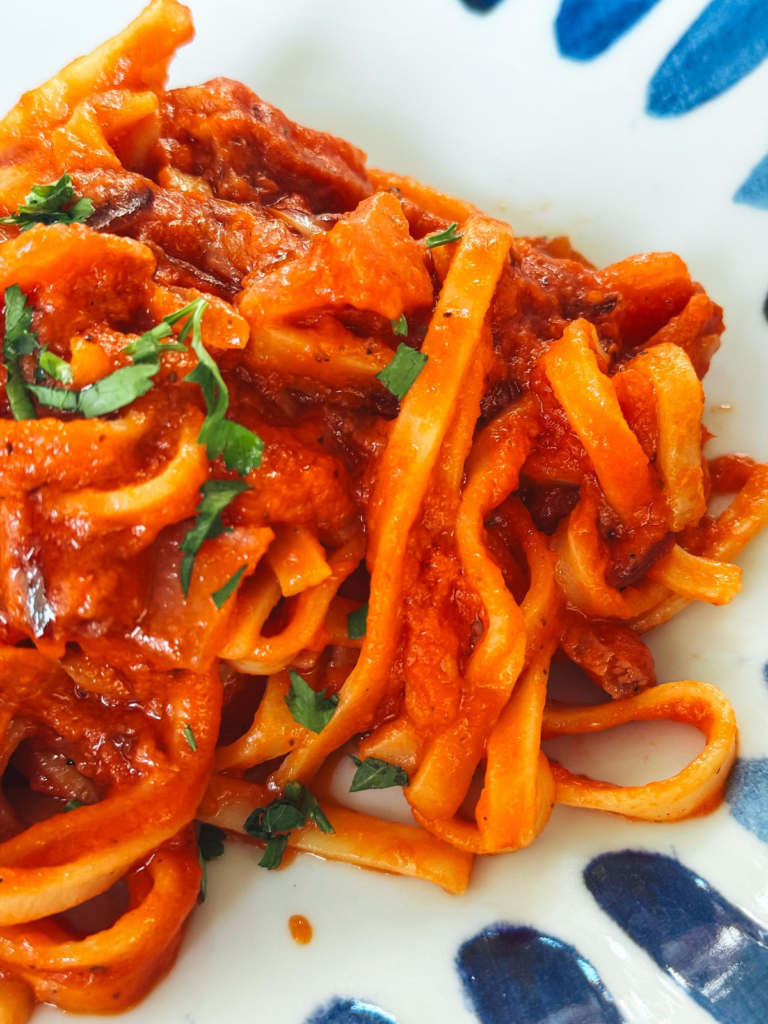
Italian pasta is more than food—it’s a cultural touchstone, a celebration of simplicity, quality ingredients, and time-honored technique. Whether you’re a passionate home cook or a curious beginner, mastering authentic Italian pasta dishes elevates everyday meals into memorable experiences. In this article, we explore foundational recipes, expert tips, and practical guidance to help you make Italian pasta at home with confidence and flavor.
Why Italian Pasta Is Unique
Italian pasta isn’t just about noodles and sauce—it’s about harmony. Traditional recipes emphasize:
- Simplicity: Few ingredients, each playing a defined role.
- Quality: Fresh, seasonal produce and high-grade flour or durum wheat pasta.
- Technique: Timing and texture matter as much as taste.
Most classic Italian recipes focus on letting individual flavors shine rather than masking them with heavy seasoning.
The Foundation: Pasta Types and Their Uses
Understanding pasta shapes and textures is essential because different types pair best with specific sauces.
Long Pasta
Long strands like spaghetti, linguine, and fettuccine hold light olive oil or simple tomato sauces beautifully. Their thin, cylindrical form allows for even sauce coating with every twirl.
Ribbon and Flat Pasta
Types like tagliatelle and pappardelle are broader and ideal for richer, meat-based ragùs. Their wider surface area captures heartier sauces.
Short Pasta
Shapes like penne, fusilli, and rigatoni trap chunky sauces, vegetables, and grated cheese in their curves and tubes, creating satisfying bites.
Essential Italian Pasta Recipes You Can Make at Home
Below are classic, authentic recipes with clear steps and tips you can use in everyday cooking.
1. Spaghetti al pomodoro (Tomato and Basil)
Ingredients
- 400 g spaghetti
- 800 g ripe plum tomatoes or canned San Marzano tomatoes
- 3 tbsp extra virgin olive oil
- 2 garlic cloves (crushed)
- Fresh basil leaves
- Salt and freshly ground black pepper
Method
- Prepare the Sauce: In a saucepan, gently warm olive oil and garlic until fragrant, being careful not to burn the garlic.
- Add Tomatoes: Stir in tomatoes, season with salt, and simmer uncovered for 15–20 minutes until thickened.
- Cook Pasta: Boil salted water and cook spaghetti until al dente—firm yet tender.
- Combine: Toss the pasta with the sauce, finish with basil leaves and a drizzle of olive oil.
Pro Tip: Save some pasta water—it’s starchy and helps bind sauce to noodles. Learn more about authentic Italian pasta principles from this overview on pasta techniques.
2. Tagliatelle al ragù alla bolognese
Ingredients
- 400 g tagliatelle
- 2 tbsp olive oil
- 1 onion, carrot, celery (finely diced)
- 300 g minced beef and pork
- 150 ml dry white wine
- 400 g crushed tomatoes
- Salt, pepper, and nutmeg
Method
- Sauté Mirepoix: Warm oil in a heavy pan and cook the diced vegetables until soft.
- Brown the Meat: Add minced beef and pork, break up with a spoon, and cook until browned.
- Deglaze: Pour in white wine, cook off the alcohol.
- Simmer: Add crushed tomatoes and seasonings; cook low and slow for 1–2 hours.
- Serve: Toss with freshly boiled tagliatelle and garnish with Parmigiano-Reggiano.

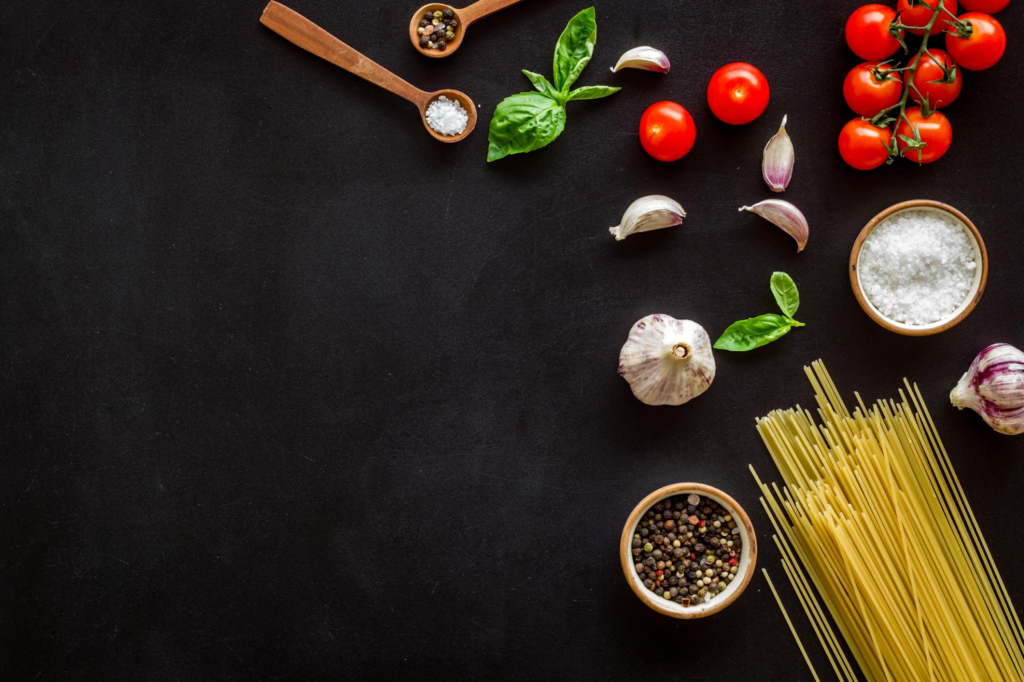
This slow-cooked ragù yields deep, layered flavor. For technique tips on slow sauces and consistency.
3. Fresh Pasta Dough for Beginners
While dried pasta works beautifully, making your own fresh pasta adds texture and flavor unmatched in boxed varieties.
Ingredients
- 300 g “00” flour (Italian finely milled)
- 3 large eggs
- Pinch of salt
Method
- Form a Well: On a clean surface, mound flour and make a well in the center.
- Add Eggs: Crack eggs into the well, season with salt.
- Mix and Knead: Gradually combine flour and egg with a fork, then knead 8–10 minutes until elastic.
- Rest: Wrap the dough in plastic and rest for 30 minutes.
- Roll and Cut: Flatten with rolling pin or pasta machine, cut into ribbons for tagliatelle or fettuccine.
Texture Tip: Fresh dough should feel springy, not sticky. Add small amounts of flour if too wet or a few drops of water if too dry.
Sauces That Elevate: Simple Yet Flavorful
Aglio e Olio (Garlic and Oil)
A minimalist classic requiring:
- Extra virgin olive oil
- Garlic (sliced)
- Red pepper flakes
- Parsley
Warm oil with garlic until aromatic, toss with spaghetti, finish with red pepper and parsley.
Cacio e Pepe (Cheese and Pepper)
A Roman favorite made with:
- Pecorino Romano
- Freshly cracked black pepper
- Pasta water
The emulsified cheese and pepper create a creamy sauce without cream.
Technique Tips for Perfect Pasta Every Time
Timing Is Everything
Italian pasta is traditionally cooked al dente. Overcooking leads to a mushy texture and weakens flavor absorption.
Salt the Water Well
Add enough salt to the pasta water so it tastes like the sea. This is your only chance to season the pasta itself.
Finish in the Pan
Always finish cooking pasta in the sauce for 1–2 minutes—this allows the two to marry, improving flavor and coating.
Serving and Pairing Ideas
- Wine Pairings: Light whites like Pinot Grigio suit tomato-based sauces, while fuller reds like Chianti complement rich ragùs.
- Cheese Accents: Freshly grated Parmigiano-Reggiano or Pecorino adds depth.
- Vegetable Add-Ins: Roasted zucchini, mushrooms, or peas enhance nutrition and texture without overpowering.
Conclusion
Authentic Italian pasta is a combination of great ingredients, respect for tradition, and understanding foundational techniques. From classic Spaghetti al Pomodoro to slow-braised Ragù alla Bolognese and fresh homemade dough, each recipe invites you to experience Italian culinary philosophy firsthand.
Whether you’re cooking for family dinners or hosting friends, these recipes will help you create pasta dishes that are flavorful, genuine, and crafted with confidence. Buon appetito!


