







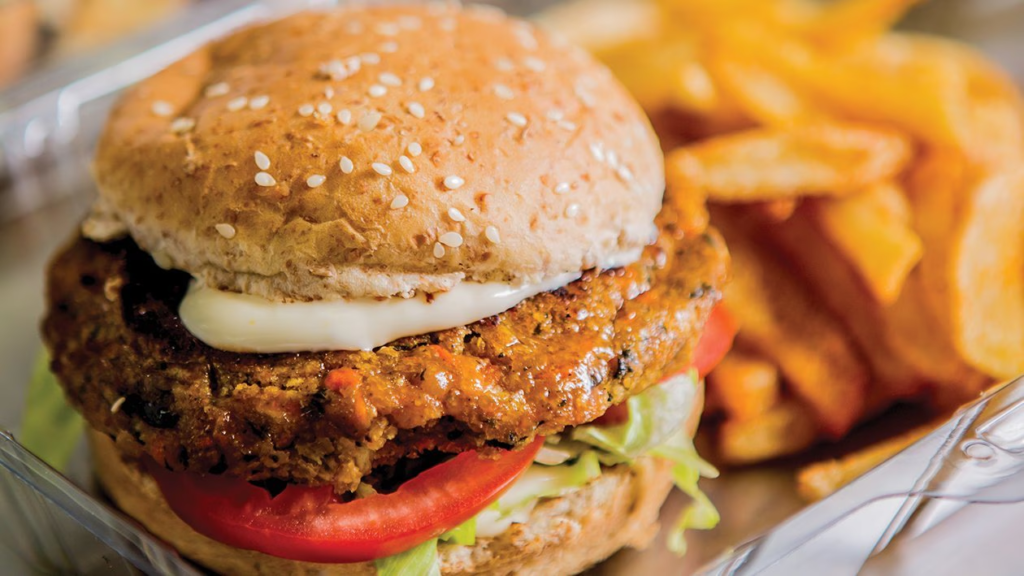
Comfort food evokes warmth, nostalgia, and satisfaction — but it’s often associated with dairy, eggs, and meat. Fortunately, plant-based cooking has evolved dramatically. Today’s vegan versions of classic comfort foods deliver rich flavors, satisfying textures, and familiar indulgence without animal products. This guide explores how vegan comfort food can appeal to even the most dedicated meat eaters, blending culinary technique, practical examples, and science-backed tips to elevate plant-centric meals.
Why Vegan Comfort Food Works
Redefining “Comfort” Without Compromise
Comfort food is defined less by its ingredients and more by the emotional experience it delivers: richness, savoriness, and fullness. Vegan cooking leverages:
- Umami-rich ingredients like mushrooms, tomatoes, nutritional yeast, and soy sauce
- Textural mimics such as jackfruit, seitan, and legumes
- Clever substitutions — for example, cashew cream for dairy or flaxseed “eggs” for baking
The result? Dishes that satisfy cravings while being nutritious and sustainable.
Building Blocks of Flavor and Texture
Mastering Umami and Savory Depth
Umami, the fifth taste, is key to making vegan dishes appealing to meat eaters. Ingredients high in umami include:
- Mushrooms and tomato paste
- Soy sauce and miso
- Nutritional yeast for cheesy flavor
For example, a rich vegan Bolognese uses sautéed mushrooms and miso to create depth that rivals traditional meat sauces.
Creating Satisfying Mouthfeel
Texture matters as much as taste. Plant proteins and starches can mimic familiar sensations:
- Legumes and lentils — hearty and protein-rich
- Jackfruit — shredded for pulled “pork” style dishes
- Seitan — chewy and meat-like
Blending these strategically can make vegan comfort food feel substantial and satisfying.
Crowd-Pleasing Vegan Comfort Recipes
Below are plant-based recipes that even meat lovers tend to embrace, along with tips to enhance appeal.
Vegan Mac and “Cheese” That Hits the Spot
Classic mac and cheese is creamy and indulgent — and the vegan version can be just as luxurious.
How it works:
- Cashew base — Soaked cashews blended with nutritional yeast, turmeric (for color), and garlic
- Pasta choice — Choose whole-grain or gluten-free if desired
- Boost flavor — A dash of miso or Dijon enhances umami
This recipe delivers creaminess without dairy. Serve with crispy baked breadcrumbs for texture contrast.
Hearty Plant-Powered Shepherd’s Pie
Shepherd’s pie is a comfort classic, and its vegan version is a filling, savory crowd-pleaser.
Key elements:
- Lentils or chopped mushrooms as the base
- Carrots, peas, and celery for traditional flavor
- Creamy mashed potatoes on top
Season with thyme and smoked paprika to evoke classic roasted flavors.
Smoky BBQ Jackfruit Sandwiches
Shredded jackfruit simulates pulled pork’s texture when braised in smoky barbecue sauce.
Tips for success:
- Rinse and drain the jackfruit well
- Sauté with onions and garlic
- Simmer in BBQ sauce for at least 15 minutes
Serve on toasted buns with crunchy coleslaw for a satisfying sandwich.
Vegan Lasagna With Layers of Flavor
Lasagna layered with plant-based cheese and rich tomato sauce delights in both comfort and familiarity.
Build it right:
- Use robust marinara — homemade or high-quality store-bought
- Layer with sautéed spinach or zucchini for added nutrition
- Add vegan ricotta made from tofu seasoned with lemon and herbs
Baking slowly melds the flavors and builds that familiar cheesy pull.
Practical Tips for Meat Eaters New to Vegan Cooking
Start With Familiar Favorites
Transitioning to plant-based eating is easier when dishes resemble familiar foods. Begin with vegan versions of beloved classics like burgers or tacos.
Use Umami-Rich Enhancers
Boost savory flavor with ingredients like:
- Tomato paste
- Smoked paprika
- Soy sauce
These deepen the flavor without meat.
Balance Nutrition and Satisfaction
Protein-rich legumes, tofu, and tempeh keep meals filling. Whole grains and healthy fats from nuts, seeds, and avocados round out nutrition.
Backed by Nutrition and Sustainability
Plant-based eating is supported by extensive research for its benefits. For evidence-based dietary guidance on incorporating more plant foods, the Harvard T.H. Chan School of Public Health provides excellent resources on balanced nutrition and plant-forward eating.
For the environmental and health impacts of plant-based diets, the EAT-Lancet Commission offers authoritative insights into food systems that support both planetary and human health.
Conclusion: Comfort Food for Everyone
Vegan comfort food isn’t about restriction — it’s about reimagining beloved dishes in ways that honor taste, texture, and satisfaction. With thoughtful use of umami, plant proteins, and familiar formats, even dedicated meat eaters can fall in love with plant-based meals. Whether you’re curious about reducing animal products or simply seeking delicious recipes, vegan comfort foods offer a world of flavor that feels indulgent and wholesome at once.


