







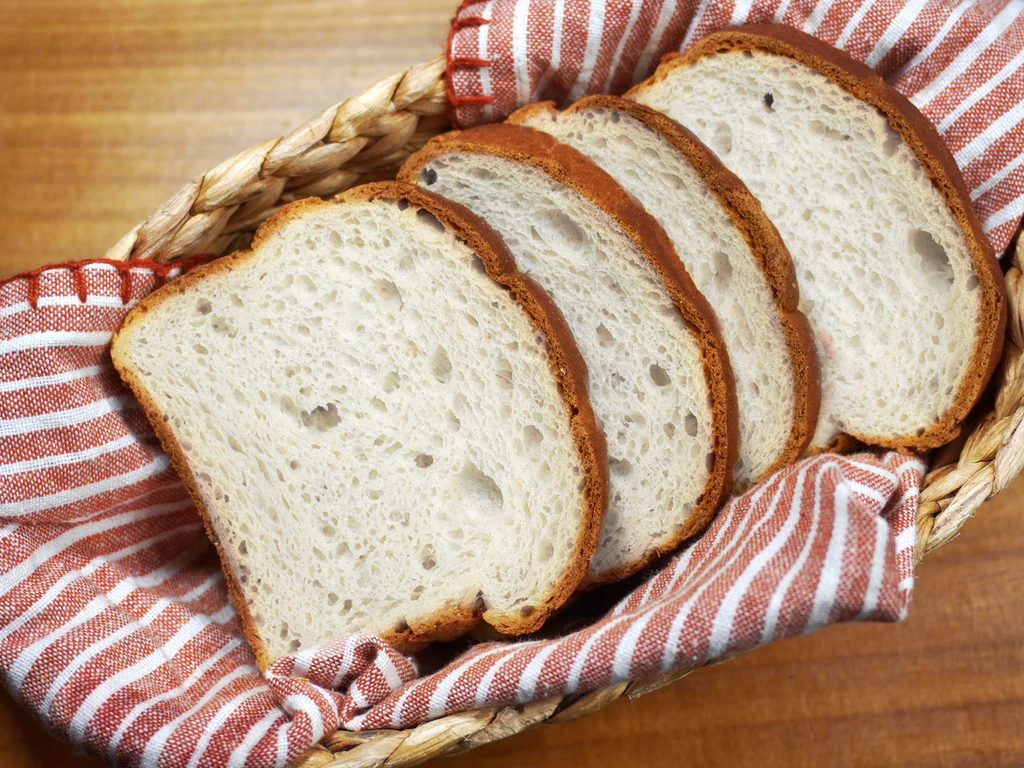
Whether you’re baking for health reasons, dietary preferences, or curiosity, gluten-free baking can feel like an entirely different discipline from traditional baking. Wheat flour behaves predictably; it provides structure, elasticity, and texture. But removing gluten means rethinking how ingredients work together. This article breaks down expert, experience-driven strategies to help you bake with confidence—yielding moist breads, tender cakes, and reliable results.
Why Gluten-Free Baking Is Different
Understanding the Role of Gluten
In conventional baking, gluten (a protein in wheat, barley, and rye) forms a network that traps air and gives dough elasticity. Take it away, and you lose:
- Structure and stretch
- Gas retention
- Chewiness in bread
To compensate, gluten-free baking relies on alternative ingredients and techniques that mimic these properties.
Choose the Right Flour Base
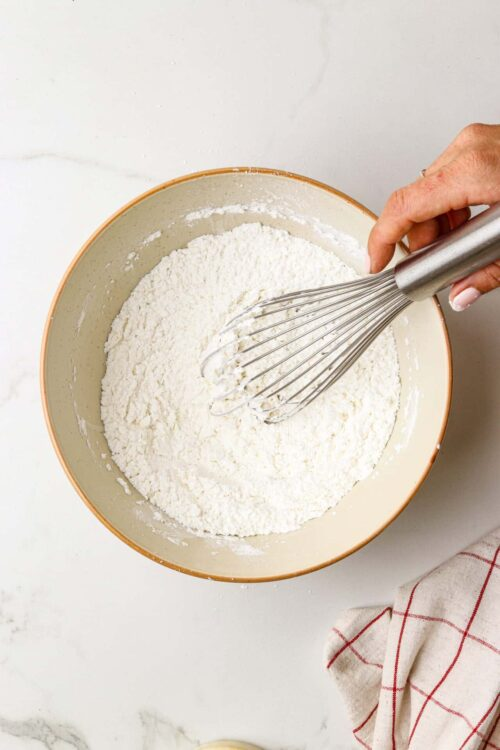
Use Flour Blends, Not Single Flours
Gluten-free flours like rice, sorghum, or almond each contribute unique properties, but can be one-dimensional alone.
Expert tip: Always use a balanced gluten-free flour blend rather than single-flour recipes. A good blend typically combines:
- Rice flour (light texture)
- Starches (tapioca, potato, or corn) for tenderness
- Protein sources (sorghum, buckwheat, or teff) for structure
Commercial flour blends like Bob’s Red Mill or King Arthur are formulated to balance texture and performance.

Don’t Forget Binders: Gums and Eggs
Without gluten, dough and batters need binding agents to hold moisture and structure.
Common binders:
- Xanthan gum – great for breads and cookies
- Guar gum – works well in cakes
- Psyllium husk – adds fiber and elasticity
- Eggs – provide lift and stability
Most gluten-free bread recipes include ½–1 teaspoon of xanthan or guar gum per cup of flour.
Adjust Liquids and Hydration
Gluten-Free Flours Absorb More Water
Because gluten-free flours lack the elastic network, they absorb and hold water differently. Many gluten-free doughs look wetter or stickier than conventional ones.
Working tip: Expect to use 10–20% more liquid in gluten-free recipes than in wheat-based ones. Too dry and the result will be crumbly; too wet and it won’t rise properly.
Rest the Batter
Give your batter 20–30 minutes to hydrate before baking. This allows starches to absorb moisture, improving texture and crumb.
Leavening and Rise Techniques
Use Active Leavening Agents
Since gluten-free doughs can’t stretch to trap gas, you want a strong, supportive rise.
Leavening tools to consider:
- Baking powder – for immediate lift in quick breads and cakes
- Yeast – for bread, but paired with gums for structure
- Egg whites (beaten) – adds air and lightness in cakes and some breads
A trick for yeast breads: proof the yeast separately to ensure activity, then add it to your dough to avoid flat loaves.
Temperature Matters
Oven Heat and Baking Time
Gluten-free goods often need:
- Higher initial heat (to set structure)
- Longer baking times (due to moisture and denser batters)
A common approach for gluten-free breads is to start at a hotter temperature (e.g., 220 °C / 425 °F for 10 minutes), then reduce to the standard baking temp for the remainder.
Avoid Over-Baking Moist Treats
Cakes and muffins can dry out quickly. Check for doneness with a toothpick; when it comes out clean, remove immediately.
Practical Examples: Real-World Applications
Tender Gluten-Free Banana Bread
Key adjustments:
- Use a blend with rice flour and a starch (e.g., tapioca)
- Add 1 teaspoon of xanthan gum per 2 cups of flour
- Increase liquid by 2–3 tablespoons
- Rest batter for 25 minutes before baking
Result: Moist, tender slices with a fine crumb.
Artisan Gluten-Free Bread
Method highlights:
- Combine sorghum + rice flours + tapioca
- Add 1–2 eggs for lift
- Include psyllium husk for elasticity
- Let dough rise longer than conventional wheat bread (90–120 minutes)
Result: Better oven spring and less dense loaf.
For comprehensive guidelines on safe gluten-free food preparation and baking, refer to this expert resource from the Academy of Nutrition and Dietetics:
Common Mistakes and How to Fix Them
| Issue | Likely Cause | Fix |
| Dry, crumbly texture | Too little liquid | Increase hydration; rest batter |
| Heavy loaf | Insufficient leavening | Add correct yeast/raising agent & binders |
| Gummy center | Not baked long enough | Bake longer; check internal temp |
| Crumbly cookies | No binder | Add xanthan gum or egg |
Conclusion: Bake With Confidence
Gluten-free baking doesn’t need to be intimidating. Understand the role of gluten, choose balanced flour blends, employ binders wisely, adjust liquids, and respect the nuances of leavening and temperature. With practice, you’ll master textures and flavors that rival traditional baked goods. Whether it’s fluffy breads, tender cakes, or chewy cookies, the right technique and ingredients unlock success.


