






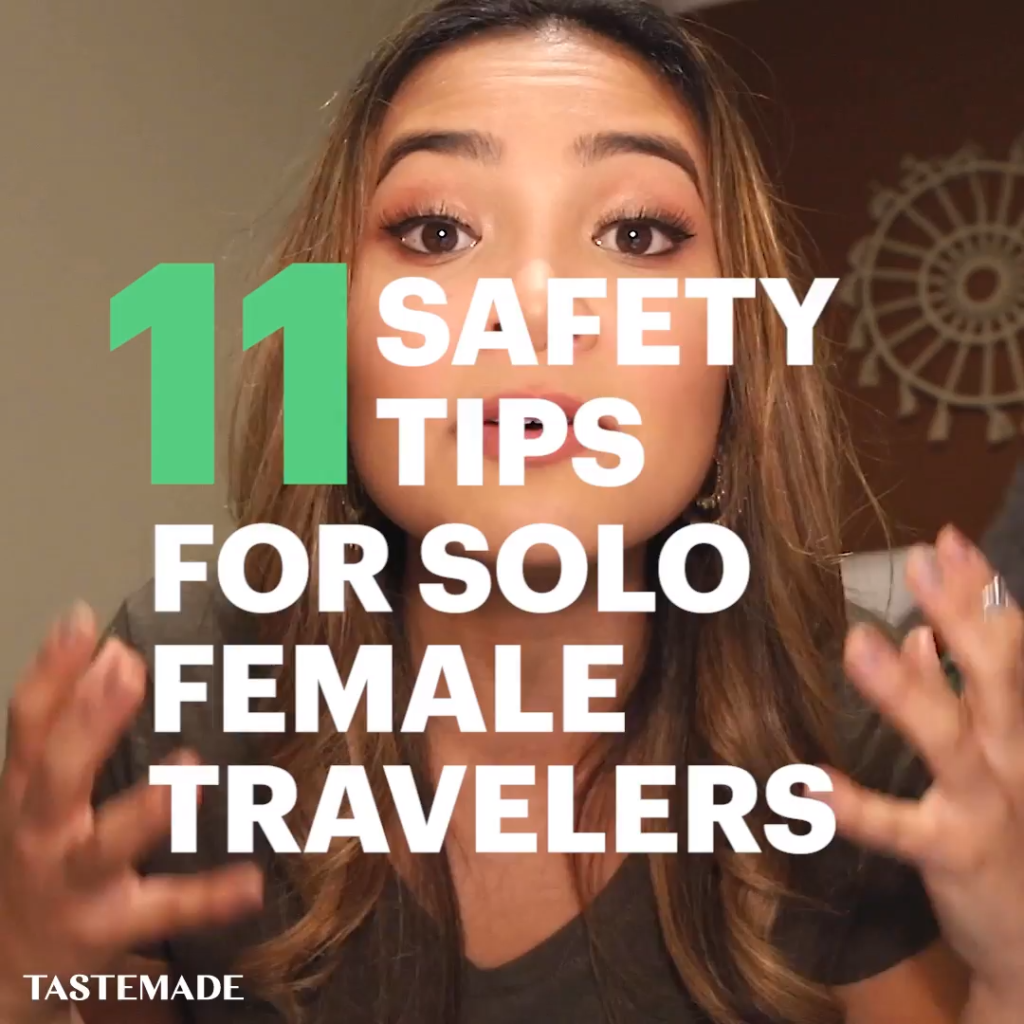
Traveling alone as a woman can be one of the most rewarding experiences of your life — opening the door to self-discovery, freedom, and adventure. But it also comes with unique safety considerations that deserve thoughtful preparation. This guide brings together expert-level insights and practical tips to help solo female travelers stay safe, confident, and empowered on the road.
Why Safety Planning Matters
Solo female travel isn’t inherently dangerous, but personal safety should be a central part of trip planning. Understanding how to reduce risk, prepare for common challenges, and make informed decisions strengthens your confidence and ensures your journey stays positive. Safety isn’t about fear — it’s about empowerment through preparedness.
Before You Go: Foundation for Safe Travel
Research Your Destination
Start with thorough research. Look into the local culture, gender norms, crime statistics, and travel advisories. Governments offer reliable information for travelers; for example, the U.S. Department of State provides tailored safety tips for women abroad.
Understanding social expectations — such as dress codes and behavior norms — helps you blend in respectfully and avoid unwanted attention.
Prepare Key Documents and Plans
Organize essential documents like your passport, travel insurance, and emergency contacts. Make digital backups and leave copies with a trusted person at home. Establish a daily check-in routine with someone you trust so others always know where you are.
Smart Packing Choices
Safety Tools to Bring
Practical items can significantly enhance your peace of mind:
- Travel-approved locks and luggage tags
- A portable power bank to avoid a dead phone in an emergency
- Personal safety alarm as a non-violent deterrent
- Crossbody anti-theft bag with secure closures
Appropriate Clothing
Choose clothing that respects local norms and doesn’t draw unnecessary attention. In some destinations, dressing modestly can reduce unwanted interactions and show cultural respect.
On the Ground: Practical Safety Strategies
Stay Aware and Assertive
Situational awareness is key — keep your head up, know your location, and avoid distractions when walking alone. Trust your instincts; if something doesn’t feel right, remove yourself from the situation quickly.
Limit Nighttime Travel
Avoid poorly lit or isolated areas at night whenever possible. Use well-rated ride-sharing services or pre-booked transport rather than walking alone after dark.
Use Technology to Your Advantage
GPS apps, offline maps, and translation tools keep you connected and informed. Share your live location with someone at home if you feel uneasy.
Accommodation and Transport Safety
Choose Wisely
Opt for places with strong reviews, good security features, and a documented history of accommodating solo travelers. Booking platforms often include traveler ratings that highlight safety concerns.
Public Transport Tips
Busy, well-lit stations and popular routes are generally safer. If taking a taxi or ride-share, confirm the driver and vehicle details before getting in and share your route with a friend.
Blending In and Building Confidence
Cultural Respect
Respecting local customs and observing how locals behave reduces unwanted attention and shows courtesy. Being culturally informed isn’t just polite — it’s safe.
Learn Key Phrases
Even a few local words can make interactions smoother and signal respect to residents. Simple phrases like “thank you” or “excuse me” go a long way.
When Things Don’t Go as Planned
Even with careful planning, unexpected situations can arise. Keep calm, use your resources, and reach out to local authorities or your embassy if necessary. Having travel insurance — particularly one that covers medical emergencies and evacuation — is a critical safety layer.
Conclusion
Solo female travel can be transformative, opening your world to new experiences and personal growth. With thoughtful preparation, cultural awareness, and practical safety habits, you’ll not only protect yourself — you’ll travel with confidence. Use this guide as a starting point, and adapt your approach to your destination and comfort level. The world is rich with adventure — and with the right preparation, it’s yours to explore confidently.


