







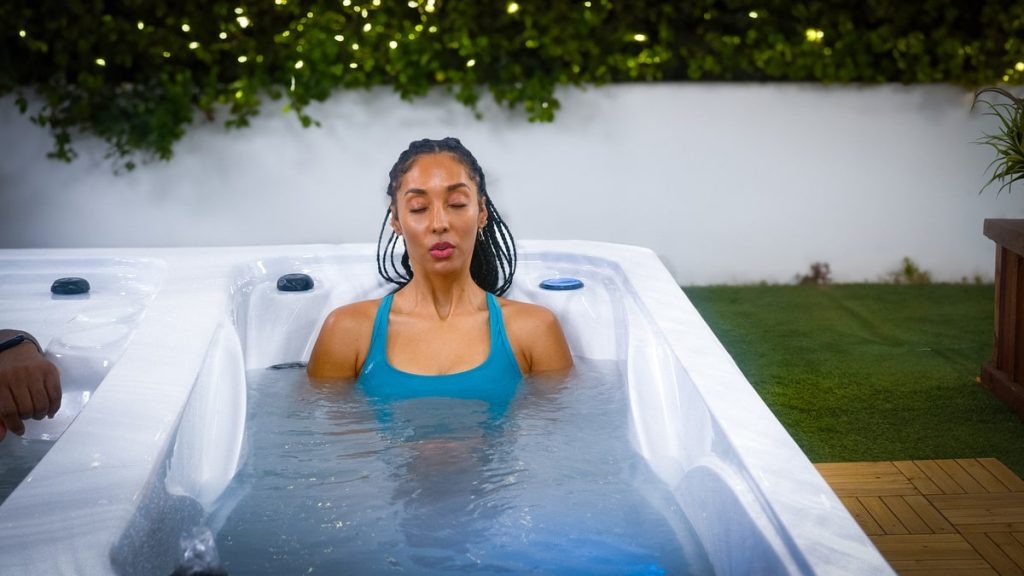
Cold plunging—also called cold water immersion or ice bathing—is exactly what it sounds like: deliberately immersing your body in very cold water, often between 10 °C and 15 °C (50 °F and 59 °F). Historically rooted in Nordic bathing traditions, this practice has surged in popularity among athletes and wellness communities for its perceived physical and mental benefits. Cold plunges can be done in natural bodies of water, a tub filled with ice and cold water, or specialized plunge tubs.
In this article, we’ll break down the evidence-based benefits, how it works in the body, and practical tips for incorporating cold plunging safely into your routine.
What Happens to Your Body During a Cold Plunge
When you immerse yourself in cold water, your body triggers a cold shock response—a rapid increase in breathing rate, heart rate, and circulation to vital organs. This is an acute stress response, not unlike the “fight or flight” reaction, but short-lived.
At a physiological level:
- Vasoconstriction and vasodilation occur, tightening and then expanding blood vessels to conserve core heat and later restore full circulation.
- Thermogenic mechanisms (like shivering) activate, increasing energy use.
- The nervous system responds with a cascade of hormonal and neurological signals affecting mood and alertness.
These responses underpin many of the benefits people seek from regular cold plunging.
Key Benefits of Cold Plunging
1. Enhances Physical Recovery After Exercise
One of the best-documented uses of cold water immersion is in athletic recovery. Short cold plunges after intense workouts can:
- Reduce muscle soreness
- Alleviate inflammation
- Improve perceived recovery and muscle power
This makes ice baths a common tool among competitive athletes and trainers.
Practical example: After a long run or heavy training session, a 3- to 5-minute cold plunge can help flush metabolic byproducts and reduce stiffness, so you feel fresher the next day.
2. May Improve Sleep and Stress Levels
Larger reviews of research show that cold water immersion can be linked to lower stress levels and better sleep quality in some individuals. These effects appear strongest shortly after exposure and may be transient, but they’re consistent enough to warrant attention.
Why it matters: Sleep quality is a cornerstone of recovery and general health. Anything that supports it—especially without medication—is useful for long-term wellness.
3. Supports Circulation and Cardiovascular Function
Cold immersion causes blood vessels to tighten and then relax, which stimulates blood flow throughout the body. Over time, this circulatory “workout” might contribute to more efficient circulation.
While definitive long-term outcomes require more research, preliminary evidence suggests cardiovascular responses from cold plunging may be beneficial when practiced appropriately.
4. Boosts Alertness and Mental Focus
Anecdotal reports and some studies note that people feel more alert and mentally clear after a plunge. This is supported by research showing changes in brain connectivity and increased feelings of attention and alertness following cold exposure.
Real-world use: Many individuals use a morning cold plunge as a natural stimulant—similar to caffeine—to enhance focus without ingesting stimulants.
5. Potential Metabolic and Immunological Effects
There is emerging but not yet conclusive evidence that cold immersion may:
- Increase metabolic rate via shivering and thermogenic pathways
- Improve insulin sensitivity
- Potentially support aspects of immune function
However, these benefits show variability between individuals, and scientists emphasize that more research is needed to draw firm conclusions.

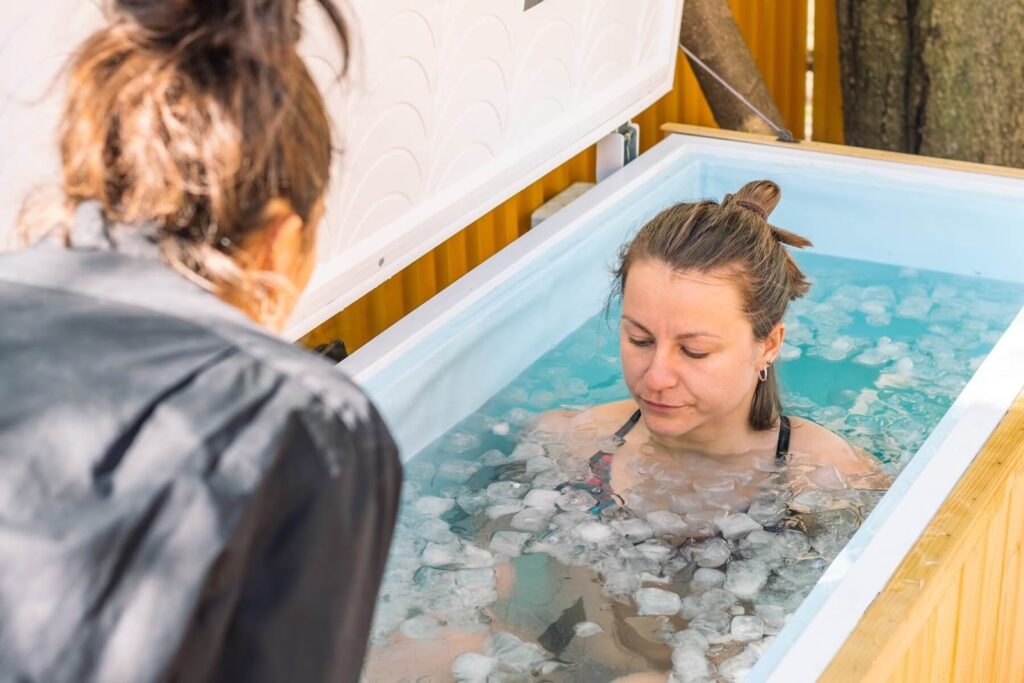
How to Cold Plunge Safely
Cold plunging is not risk-free. To maximize benefits while minimizing hazards:
- Start slow: Begin with short exposures (30 s–2 min) and gradually increase as you adapt.
- Avoid extreme temperatures: Water that is too cold can lead to hypothermia or cardiovascular stress.
- Check health conditions: If you have heart problems, circulatory issues, or other underlying health concerns, consult a healthcare professional before trying cold immersion.
Cold Plunge Versus Cryotherapy
Cold plunging shares principles with cryotherapy (cold exposure for therapeutic purposes), but they’re distinct practices. Cryotherapy often involves cold vapor chambers and is used in clinical settings, whereas cold plunging is a more accessible form of whole-body cold exposure.
Conclusion
Cold plunging is an increasingly popular practice with a growing body of scientific support—especially for muscle recovery, sleep quality, circulation, and mood. While not every claimed benefit has strong clinical evidence yet, numerous studies point to real physiological effects that can support wellbeing when done responsibly. Like all wellness tools, it’s most effective when tailored to your goals and health status.


