







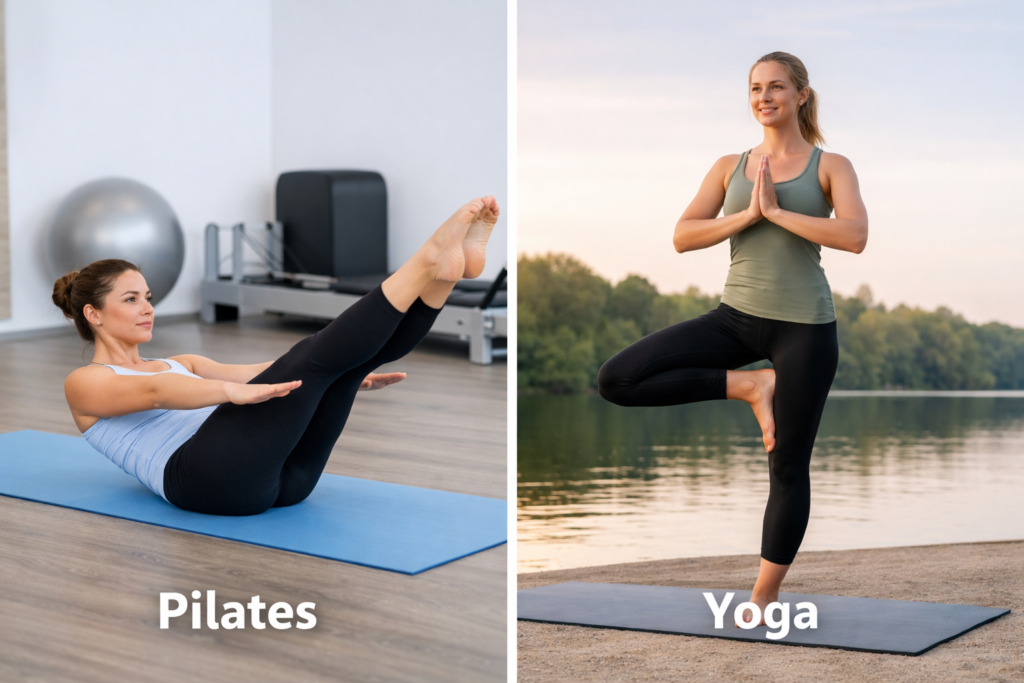
Maintaining healthy joints is essential at every stage of life, especially as we navigate the demands of aging, desk-based lifestyles, sports, or recovery from injuries. Low-impact workouts like Pilates and yoga offer powerful tools for supporting joint health by strengthening the muscles around joints, improving flexibility, and improving balance—all without the harsh stresses associated with high-impact activities like running or jumping. In this article, we explore how these two practices benefit joint function, how to incorporate them into your routine, and real-world examples of their application.
What Are Low-Impact Workouts?
Low-impact exercise refers to movements that keep at least one foot in contact with the ground and minimize abrupt stress on joints and connective tissue. These workouts are ideal for:
- People with joint pain or arthritis
- Those recovering from injury
- Beginners or individuals returning to exercise
- Anyone seeking sustainability and longevity in fitness routines
Pilates and yoga are two of the most popular low-impact modalities because they combine strength, stability, flexibility, and mindful movement in ways that support joint health.
How Pilates Supports Joint Health
Core Strength and Stabilization
Pilates emphasizes controlled, precise movements that activate deep stabilizing muscles of the core, hips, and shoulders. Strong stabilizers help support joint alignment and reduce unnecessary strain on surrounding structures. This strength can ease pressure on weight-bearing joints such as the knees, hips, and spine.
Flexibility and Range of Motion
A consistent Pilates practice increases flexibility and joint range of motion. This adaptability helps reduce stiffness and allows joints to move through their full, functional range during daily activities and athletic pursuits.
Practical Example: Beginner Mat Pilates
A simple mat Pilates routine could include:
- Pelvic tilt – improves lower spine mobility
- Hundreds – builds core endurance with minimal joint compression
- Leg circles – promote hip mobility and balance
- Spine stretch forward – encourages length through the back and hamstrings
These exercises strengthen the muscles that surround and protect joints, while controlled breathing fosters coordination and proper alignment.
How Yoga Enhances Joint Function
Dynamic Stretching and Stability
Yoga incorporates a wide range of poses (asanas) that encourage muscles and joints to move slowly through motion. This helps lubricate joints with synovial fluid, reduce stiffness, and build strength in a balanced way.
Balance and Proprioception
Balance-focused poses such as Tree Pose (Vrksasana) or Warrior III (Virabhadrasana III) challenge the nervous system to coordinate stabilizing muscles around joints, enhancing proprioception (body awareness) and reducing fall risk.
Practical Example: Beginner Yoga Sequence
A gentle yoga flow for joint health might include:
- Cat-Cow – improves spinal mobility
- Downward-Facing Dog – engages shoulders and hamstrings
- Child’s Pose – provides a restful stretch for the hips and lower back
- Bridge Pose – strengthens glutes and hamstrings to support the pelvis
This type of session can be practiced 2–4 times per week to support mobility and reduce tension.
Pilates vs. Yoga: What’s the Difference?
Though both are low-impact and joint-friendly, Pilates and yoga have distinct emphases:
- Pilates tends to focus more on muscular control, alignment, and core strength.
- Yoga weaves in breath work, balance, stretching, and often a philosophical or meditative component.
Together, they complement one another: Pilates reinforces structural support, while yoga enhances flexibility and stability.
Integrating Low-Impact Workouts into Daily Life
Start Slowly, Progress Mindfully
Commit to short sessions (15–30 minutes) several times per week. Consistency is more important than intensity. For joint health, aim for at least 2–3 sessions weekly, adjusting based on comfort and recovery.
Listen to Your Body
Pay attention to sensations in joints during movement. Mild discomfort can be normal, but sharp or persistent pain is a signal to modify or pause an exercise.
Pair with Other Healthy Habits
Supporting joint health extends beyond workouts. Adequate hydration, balanced nutrition, and maintaining a healthy body weight all contribute to joint comfort and longevity. Regular check-ins with a qualified instructor or physical therapist can help ensure safe progression.
Conclusion
Low-impact workouts like Pilates and yoga provide accessible, evidence-supported ways to improve joint health through strength, stability, mobility, and reduced stress on tissues. Whether you are managing joint pain, preventing injuries, or simply seeking sustainable fitness, integrating these practices can enhance functional movement and overall well-being. With mindful practice and consistency, Pilates and yoga offer a strong foundation for maintaining healthy, resilient joints throughout life.


