

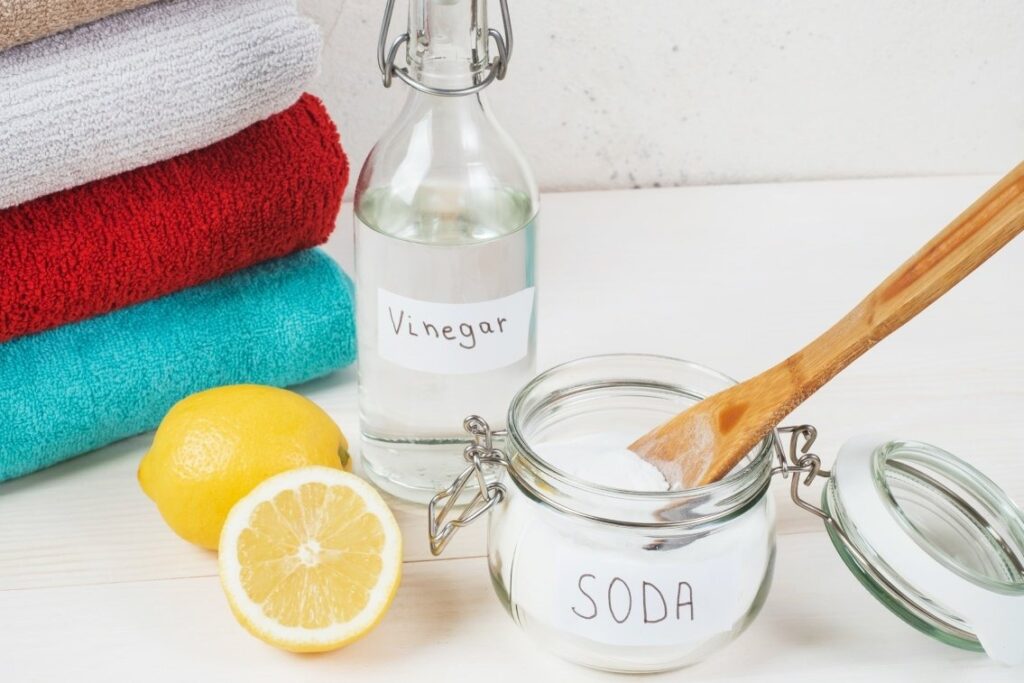
Keeping your home clean doesn’t have to mean filling your shelves with harsh, synthetic chemicals. With just a few simple ingredients from your pantry, it’s possible to make effective, non-toxic cleaning solutions that are safer for your family, pets, and the planet. Homemade cleaners can reduce exposure to volatile organic compounds (VOCs) and other harmful additives found in many commercial products, while often costing less and producing less waste.
In this guide, you’ll find practical DIY formulas, expert-backed tips, and real-world applications to help you switch to natural cleaning with confidence.
Why Choose Non-Toxic Homemade Cleaners?
Before diving into recipes, it’s important to understand what makes these cleaners different from conventional products.
Health and Safety Benefits
Many store-bought cleaners contain ingredients that can irritate the skin, eyes, and lungs. Some chemicals have even been linked to long-term health concerns when used frequently over time. By contrast, homemade solutions rely on well-understood natural ingredients that are typically less irritating and more biodegradable.
Environmental Impact
Using natural substances like vinegar, baking soda, and citrus oils cuts down on synthetic chemical runoff entering waterways and reduces reliance on plastic packaging. When paired with reusable containers, DIY cleaning can be both eco-friendly and cost-effective.
Pantry Staples for DIY Cleaning
Most of the recipes below are built around a handful of versatile and safe ingredients:
- White vinegar – a mild acid that cuts grease and deodorizes.
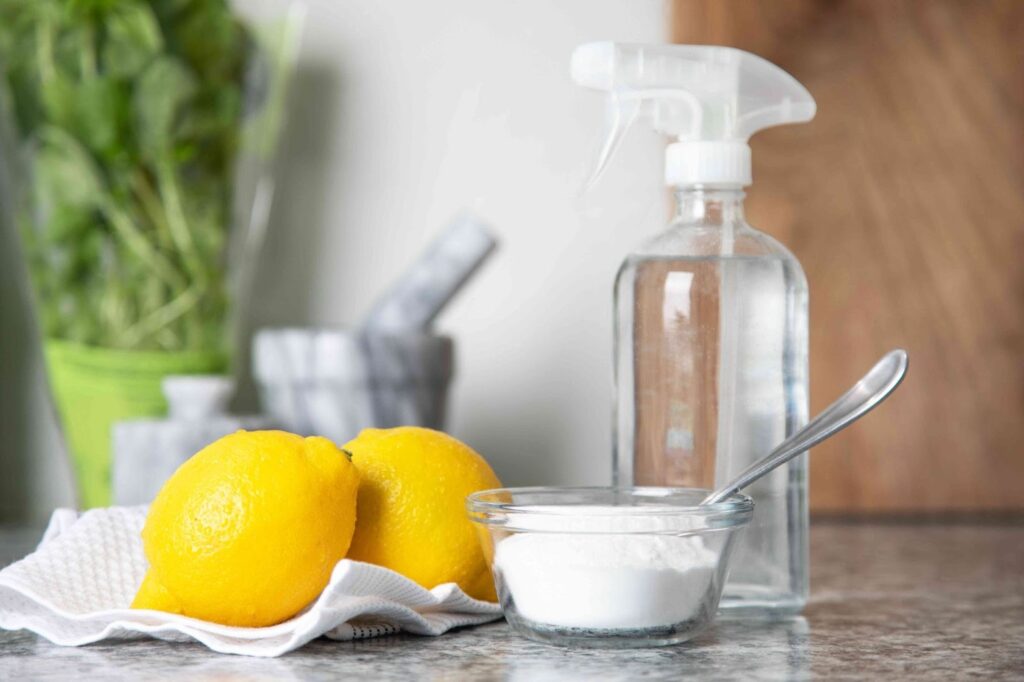
- Baking soda – a gentle abrasive and natural deodorizer.
- Lemon juice – helps dissolve mineral deposits and adds a fresh scent.
- Castile soap – plant-based soap that lifts dirt and grease.
- Essential oils (optional) – add scent and can contribute mild antimicrobial properties (e.g., tea tree, lemon).
DIY Recipes for Everyday Cleaning
All-Purpose Spray Cleaner
Use: Countertops, cabinets, appliances
Ingredients:
- 1 part white vinegar
- 1 part water
- Optional: 10 drops of essential oil
Method: Combine ingredients in a spray bottle, shake, and use to wipe down surfaces. For stronger grease-cutting power, add a teaspoon of castile soap.
Tip: Avoid using vinegar on natural stone (like marble or granite) as vinegar’s acidity may etch the surface.
Glass and Mirror Cleaner
Use: Windows, mirrors, glass tables
Ingredients:
- 3 parts water
- 1 part white vinegar
Method: Mix in a spray bottle. Spray lightly and wipe with a microfiber cloth for streak-free shine.
Deodorizing Scrub
Use: Sinks, tubs, stovetops
Ingredients:
- Baking soda
- Water to make a paste
Method: Sprinkle baking soda over the surface and add just enough water to form a paste. Scrub with a sponge and rinse clean. The mild abrasiveness helps lift stubborn grime without scratching most surfaces.
Natural Disinfectant Boost
Use: High-touch areas like doorknobs and light switches
Ingredients:
- 1/2 cup white vinegar
- 2 cups hot water
- 1 tsp baking soda
- Optional: 10 drops of tea tree essential oil
Method: Warm water helps dissolve ingredients; add vinegar and baking soda carefully (it may fizz). Mix in a spray bottle. Spray and let sit for a few minutes before wiping.
Best Practices and Safety Tips
Even natural ingredients deserve respect:
- Label containers clearly to avoid accidental misuse.
- Do not mix vinegar with bleach or hydrogen peroxide, as reactions can produce harmful fumes.
- Test any cleaner on a small hidden area first, especially on delicate surfaces.
- Store homemade cleaners in cool, dark places to extend shelf life.
Scientific and Regulatory Context
While many green DIY recipes are effective for everyday cleaning, regulatory bodies like the U.S. Environmental Protection Agency (EPA) note that natural does not automatically mean completely harmless. For example, cleaners containing registered pesticides are regulated, and labeling claims like “eco-friendly” can be misleading without certification.
For more on identifying trusted greener products and ecolabels, visit the EPA’s guide on greener cleaning options:
Conclusion
Homemade non-toxic cleaning products offer a practical, health-minded alternative to many conventional household cleaners. With minimal ingredients and straightforward methods, you can tailor solutions to fit your cleaning routines while reducing chemical exposure and environmental impact. From all-purpose sprays to gentle scrubs, these recipes empower you to maintain a clean, comfortable home with confidence and care.
