







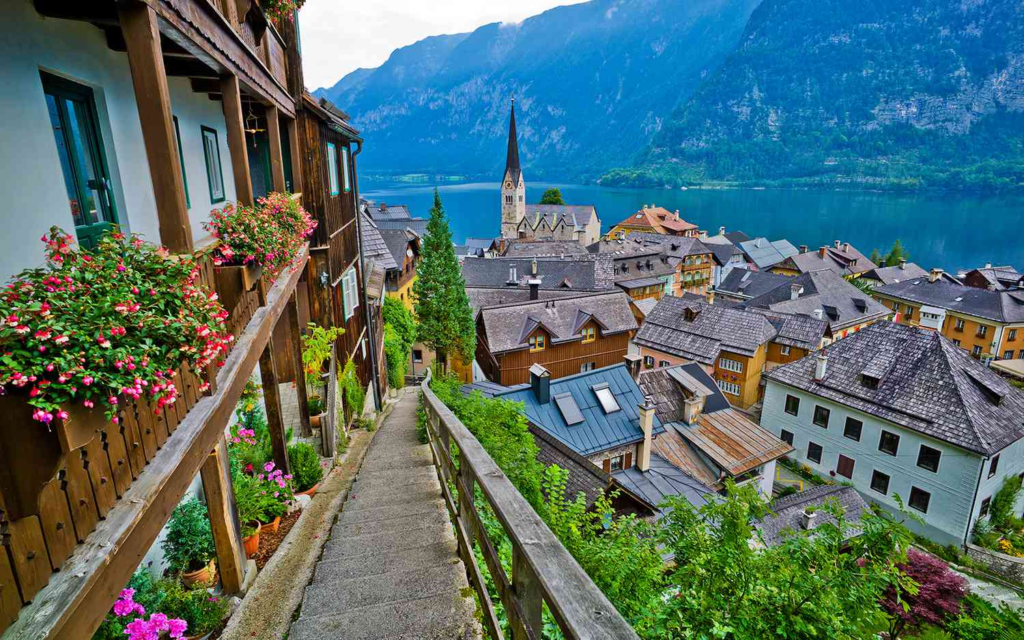
Europe is rich with iconic cities like Paris and Rome — destinations that every traveler should experience at least once. Yet beyond these famed capitals lies a tapestry of lesser-known towns and regions offering history, culture, and unforgettable experiences without the crowds. This guide highlights some of Europe’s most compelling hidden gems, pairing practical travel insights with real examples and reliable resources so you can expand your itinerary beyond the usual suspects.
Why Choose Hidden European Destinations?
Traveling off the beaten path isn’t just about avoiding crowds. It’s also an invitation to connect with authentic local life, encounter undiscovered landscapes, and enjoy experiences often overlooked in mainstream guidebooks. These destinations can be more affordable, more relaxed, and full of unexpected charm.
1. Central Europe’s Charms
Český Krumlov, Czech Republic
Tucked into a dramatic bend of the Vltava River, Český Krumlov feels like a storybook village. Its medieval core — dominated by a stunning castle overlooking red-tiled rooftops — has a rich history and walkable streets perfect for exploration.
- Why go: Less crowded than Prague, stunning architecture, and river views.
- Activities: Castle tour, riverside kayaking, intimate cafés, and traditional Czech cuisine.
The official tourism site offers practical travel planning details: CzechTourism – Český Krumlov.
Gdańsk, Poland
On the Baltic Sea, Gdańsk blends maritime heritage with Hanseatic architecture. Often passed over in favor of Kraków or Warsaw, Gdańsk rewards visitors with rich history and vibrant culture.
- Why go: Colorful old town, WWII history, seaside access.
- Activities: Explore the Long Market, Maritime Museum, and nearby beaches.
2. Hidden Natural Wonders
The Azores, Portugal
This remote volcanic archipelago in the mid-Atlantic offers dramatic landscapes, crater lakes, and unspoiled hikes. The Azores are emerging as a must-see for nature lovers.
- Why go: Whale watching, thermal springs, lush hiking trails.
- Travel tip: São Miguel, the largest island, is the most accessible but inter-island ferries offer deeper exploration.
The Azores are highlighted by National Geographic for their extraordinary natural beauty: National Geographic Travel – The Azores.
Lake Bled, Slovenia
Picturesque and serene, Lake Bled seems straight from a fairytale. Its emerald waters, island church, and medieval castle make it a perfect destination for a peaceful yet visually stunning trip.
- Why go: Accessible day trips from Ljubljana, kayaking, cliffside views.
- Activities: Row to Bled Island, sample local cream cake, hike to viewpoints.
3. Southern Europe, Beyond the Coastlines
Matera, Italy
Italy’s Matera predates Rome, with ancient cave dwellings called Sassi carved into limestone. This UNESCO World Heritage city offers a remarkable glimpse into history.
- Why go: Unique architecture, fewer international tourists than Venice or Florence.
- Experience: Guided cave tours, historic churches, and traditional Southern Italian cuisine.
Kotor, Montenegro
Nestled on a fjord-like bay, Kotor blends Venetian architecture with dramatic mountain backdrops. Its compact old town and fortifications are ideal for exploration without the crowds typical of Mediterranean hotspots.
- Why go: Stunning bay views, medieval walls, proximity to nature.
- Activities: Hike the city walls, sail the Bay of Kotor, relax in the old harbor.
4. The Balkans: Culture and Character
Tirana, Albania
Albania’s capital is a vibrant, energetic city that mixes Ottoman, Italian, and communist influences. It’s rapidly gaining recognition for its creative spirit and street art.
- Why go: Budget-friendly, diverse cultural scene, gateway to Albanian Riviera.
- Highlights: Skanderbeg Square, Bunk’Art museums, lively cafés.
Mostar, Bosnia and Herzegovina
Famous for its iconic Stari Most (Old Bridge), Mostar offers deep historical significance, Ottoman-era architecture, and compelling local culture.
- Why go: Historic heritage, scenic river views, traditional markets.
Activities: Walk the old town, visit local craft shops, and enjoy Bosnian coffee culture.

Practical Tips for Visiting Hidden Gems
Planning and Transportation
- Research connectivity: Smaller destinations may require regional trains or buses. Apps like Rome2Rio or local schedules help plan transfers well ahead of time.
- Seasonality matters: Many hidden gems shine outside peak summer months. Late spring and early autumn provide pleasant weather and smaller crowds.
Accommodation and Local Experience
- Stay locally: Boutique guesthouses or family-run pensions often provide deeper cultural insights and more personalized hospitality than large hotel chains.
- Engage with locals: Markets, small cafés, and neighborhood tours offer the best way to connect with community life.
Language and Navigation
While English is common in major cities, local phrases go a long way in smaller towns. Simple greetings or a polite “thank you” in the local language enhances cultural exchange.
Conclusion
Exploring Europe’s hidden gems reveals a continent far richer and more varied than the postcards of Parisian boulevards or Roman ruins. From the volcanic landscapes of the Azores to the medieval streets of Český Krumlov, each destination invites curiosity, discovery, and genuine connection. Whether seeking nature, history, or culture, traveling beyond the headline cities rewards with unique experiences and memories that last long after the journey ends.


