







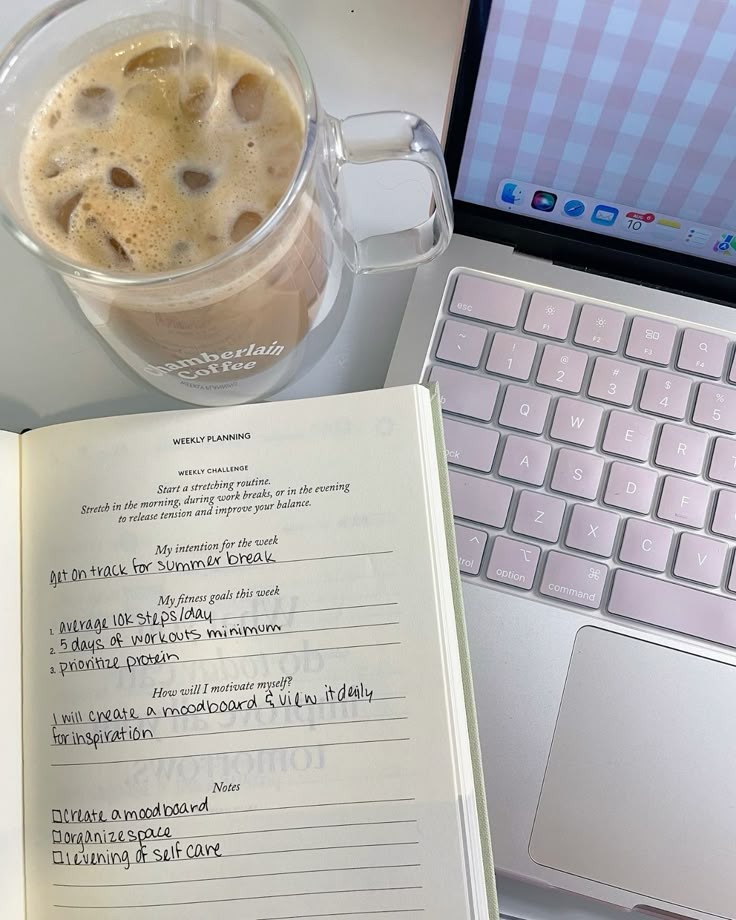
Starting your day with intention doesn’t have to mean a long checklist or rigid schedule. Simple, short habits—done consistently—can create momentum, reduce stress, and sharpen focus for the rest of your day. Research consistently shows that deliberately designed morning routines can improve productivity, mental clarity, and emotional well-being. This article breaks down practical, five-minute practices that are easy to adopt and, more importantly, easy to keep.
Why 5 Minutes Matters
Most people fail at morning routines not because the practices are bad, but because they take too long or feel overwhelming. Five minutes eliminates resistance while still offering measurable benefits. Short, intentional behaviors build habits by leveraging consistency over duration—precisely the mechanism experts highlight in habit formation science.
Even brief actions like mindful breathing, journaling, or light movement influence your physiology and mindset within minutes, offering a foundation for a calmer, more productive day.
Quick, Actionable Habits
1. Wake and Hydrate (1 Minute)
Before checking your phone or email, drink a glass of water. After a night of sleep, your body is dehydrated, and hydration helps wake up your brain and body.
Example:
Keep a glass by your bedside. First thing, drink it while you stretch your arms overhead.
2. Mindful Moment (1 Minute)
Take 60 seconds for intentional presence. Close your eyes, breathe deeply, and set one clear intention for the day.
Benefits:
- Reduces stress and improves focus
- Anchors your mindset before distractions begin
How:
Inhale for four seconds, hold two, exhale for six. Repeat 3–4 times.
3. Micro-Journaling (1 Minute)
Write one line: a goal, a gratitude thought, or an idea you want to explore. This tiny practice trains your brain to organize thoughts with purpose—without pressure.
Example prompts:
- “Today, I want to feel _____.”
- “One thing I’m grateful for is _____.”
4. Light Movement (1 Minute)
Move deliberately. It can be stretching, gentle yoga, or walking in place. Quick movement increases blood flow, reduces stiffness, and boosts alertness.
Try:
- 30 seconds of side stretches
- 30 seconds of ankle-to-knee rolls
- Or a short walk around your home
5. Intent Review (1 Minute)
Spend the final minute reviewing your priorities. This isn’t a full to-do list—just one main focus you want to bring forward. Choosing one big idea sharpens decision-making and reduces morning overwhelm.

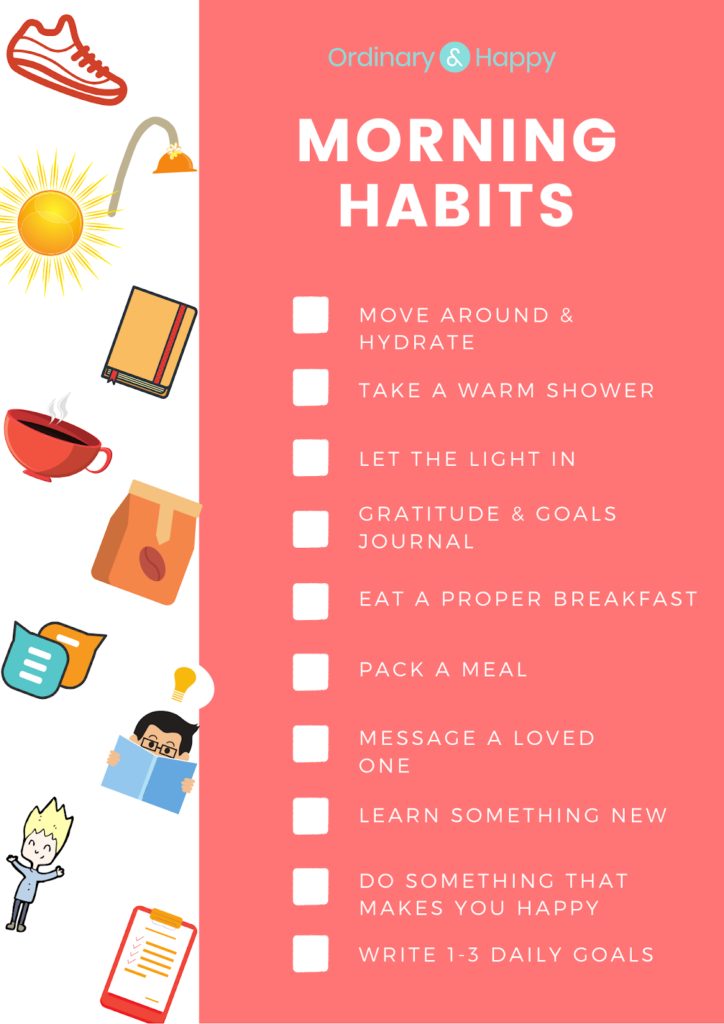
Structuring Habits That Stick
Make Them Predictable
Pick a trigger: right after brushing your teeth, before coffee, or once you’re dressed. Anchoring tiny actions to existing behaviors dramatically increases follow-through.
Keep It Consistent
Habits form not with perfection but repetition. Five minutes every day—even weekends—beats an hour once a week.
Expert Tip: Put your routine in the same place each day (e.g., written on your bathroom mirror). Visual cues support automaticity.
When Things Go Off Track
Missing a day doesn’t erase progress. The goal isn’t perfection; it’s persistence. If life gets busy, reset the next morning. Even small consistency builds neural pathways that make habits easier over time.
Real-World Application
Case: Busy Professional
A manager starts every day with:
- A hydration glass while stretching
- A 60-second intention of the day
- Quick thoughts on priorities
All within five minutes before their commute.
They report higher focus and lower morning stress after two weeks.
Case: Student or Creative
Instead of social media first thing:
- Breathwork upon waking
One line in a notebook about what they want to create
This anchors creativity before external noise.


Trusted Resources for Habit Science
For deeper insights on how routines influence behavior and productivity, these authoritative guides are worth exploring:
- Healthline – Healthy Morning Routine Strategies: Expert-reviewed suggestions based on wellbeing research. Healthy Morning Routine Guide (Healthline)
- Psychology Today – Morning Routine That Works: Practical steps supported by psychological principles. Morning Routine Fundamentals (Psychology Today)
Conclusion
A five-minute morning routine is a powerful tool for starting your day with intention, clarity, and momentum. By focusing on manageable actions—hydration, mindful breathing, journaling, light movement, and setting a clear priority—you build a foundation for productivity and mental well-being that fits your lifestyle and sticks. Keep it simple, keep it consistent, and let these small investments pay dividends throughout your day.


