








Minimalist finances are not about deprivation or extreme frugality. They are about intentionally owning fewer things so your money works harder for what truly matters. By reducing unnecessary spending, simplifying decisions, and aligning purchases with long-term goals, minimalism becomes a practical financial strategy—not just a lifestyle trend. When applied thoughtfully, it can lower expenses, reduce stress, and create lasting financial stability.
What Minimalist Finances Really Mean
Minimalist finances focus on value over volume. Instead of asking, “Can I afford this?” the minimalist asks, “Does this improve my life enough to justify the cost?”
At its core, this approach involves:
- Spending intentionally rather than impulsively
- Eliminating recurring costs tied to unused or low-value items
- Prioritizing savings, investing, and financial security over consumption
This mindset shift is what drives the real financial benefits.
How Owning Less Directly Saves You Money
Reduced Upfront Spending
Every item you don’t buy is money kept. Minimalists avoid frequent discretionary purchases such as fast fashion, duplicate gadgets, or décor bought for short-term satisfaction. Over time, these avoided purchases add up to significant savings.
Real-world example:
Buying fewer, higher-quality clothes may cost slightly more upfront, but it eliminates constant replacement and trend-chasing, reducing annual clothing expenses.
Lower Ongoing Costs
Owning less also means paying less to maintain what you own. Fewer belongings reduce:
- Repair and replacement costs
- Storage expenses
- Insurance needs
- Utility usage (larger homes and more devices increase energy costs)
A smaller, simpler living space often translates directly into lower rent, maintenance, and utility bills.
Minimalism and Better Budget Control


Fewer Decisions, Fewer Mistakes
Minimalism reduces “decision fatigue,” which is a major driver of overspending. When your lifestyle has clear boundaries, you are less likely to make emotional or impulse purchases.
This clarity helps you:
- Stick to a realistic budget
- Identify unnecessary spending patterns quickly
- Redirect money toward savings or debt repayment
Clear Financial Priorities
Minimalist finances encourage goal-based spending. Instead of spreading money thin across many wants, you focus on a few meaningful priorities such as:
- Emergency funds
- Long-term investments
- Education or skill development
- Experiences that add lasting value
This alignment improves both financial outcomes and personal satisfaction.
The Impact on Debt and Financial Stress
Faster Debt Reduction
When spending is reduced, more cash flow becomes available for debt repayment. Minimalists often apply savings directly toward:
- Credit card balances
- Personal loans
- Auto or education loans
Less consumption also prevents new debt from forming, which is equally important.
Lower Financial Anxiety
Owning fewer things reduces financial pressure. There is less worry about replacing, protecting, or paying for unused possessions. Many people report that minimalist finances improve their sense of control and financial confidence, especially during uncertain economic periods.
Minimalism as a Long-Term Wealth Strategy

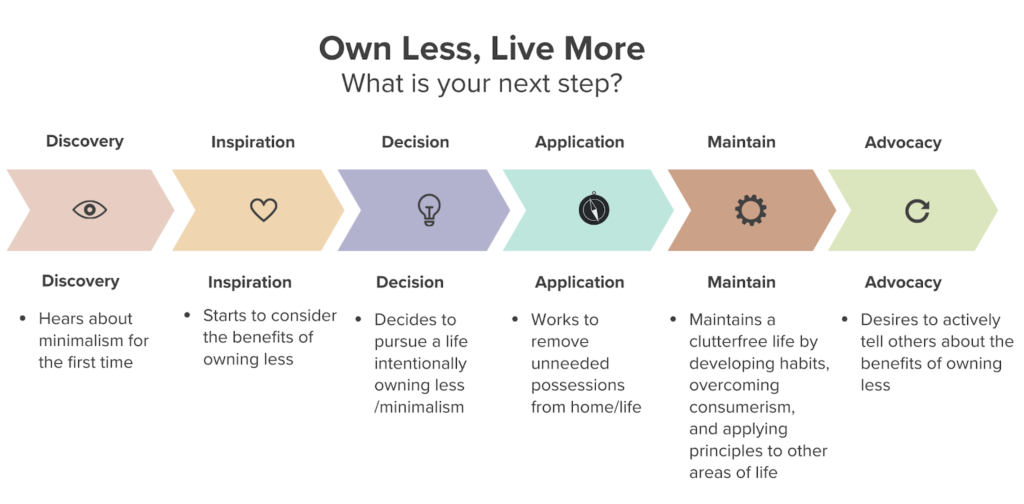
Higher Savings and Investment Rates
Consistent savings—not high income alone—drives wealth creation. Minimalist finances naturally increase savings rates by reducing lifestyle inflation. The money not spent on excess consumption can be invested for long-term growth.
Flexibility and Financial Independence
Lower fixed expenses increase financial resilience. When your cost of living is modest, you:
- Need less income to maintain your lifestyle
- Can handle job changes or income gaps more easily
- Gain flexibility to pursue better opportunities
Minimalism doesn’t guarantee wealth, but it significantly improves your ability to build and protect it.
How to Apply Minimalist Finances Practically


Start small and focus on impact:
- Track spending and identify low-value expenses
- Cancel unused subscriptions and memberships
- Adopt a “one-in, one-out” rule for purchases
- Pause before buying and evaluate long-term usefulness
Minimalism works best when it is gradual and intentional, not forced.
Conclusion: Owning Less, Gaining More Financial Control
Minimalist finances are about reclaiming control over your money by removing what doesn’t serve you. Owning less reduces spending, lowers recurring costs, simplifies budgeting, and supports long-term financial goals. More importantly, it shifts your relationship with money from consumption-driven to purpose-driven.


