
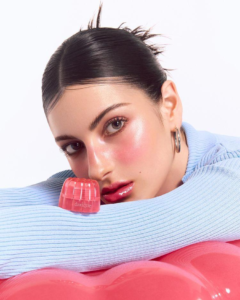



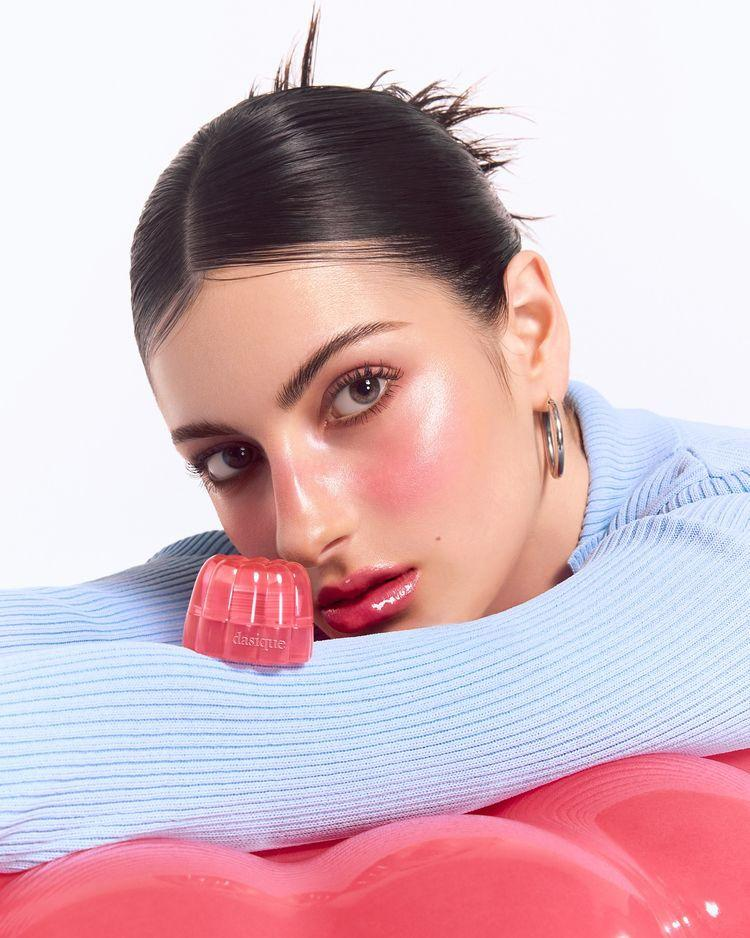
Makeup trends in 2026 are becoming less about heavy coverage and more about texture, movement, translucency, and skin-like finishes. Among the most eye-catching developments is the rise of jelly and jam-inspired makeup: bouncy blushes, glossy lip stains, translucent cheek tints, gel-like eyeshadows, and high-shine balms that give the skin a fresh, almost juicy appearance.
The trend is not entirely new. Jelly makeup began gaining attention through products such as Milk Makeup’s Cooling Water Jelly Tint and similar Korean beauty-inspired formulas. However, 2026 has seen the concept expand beyond blush into lips, eyes, complexion, bronzer, highlighter, and even hybrid skincare-makeup formats.
What makes the trend particularly interesting is that texture itself has become part of the beauty experience. Instead of simply asking whether a product is matte, satin, or glossy, consumers are increasingly interested in how a formula feels, moves, blends, layers, and looks on real skin.
What Are Jelly & Jam Makeup Textures?
“Jelly makeup” is not one standardized cosmetic formulation. It is better understood as a texture and finish category.
Jelly formulas generally have a lightweight, translucent or semi-translucent appearance and can feel cool, bouncy, slippery, or gel-like during application. Depending on the product, they may behave more like a stain, balm, gel, cream, or hybrid formula.
Jam-inspired makeup takes the concept slightly further. Think of the rich translucency and glossy appearance of fruit preserves rather than an opaque cream pigment.
The common characteristics include:
- Sheer to buildable pigmentation
- Glossy, juicy, or luminous finishes
- Lightweight application
- Easy blending and layering
- A translucent quality that allows natural skin texture to remain visible
- A tactile, bouncy or gel-like consistency in some products
Importantly, not every product marketed as “jelly” will perform identically. Formula chemistry, pigment concentration, emollients, film-formers, and the underlying base all influence how a product wears.
Why Jelly Makeup Is Having a Major Moment in 2026
The popularity of jelly textures reflects several broader changes in beauty.
1. Texture Has Become Part of the Product Appeal
Traditional makeup marketing focused heavily on color and coverage. Today, consumers also respond to sensory characteristics.
A blush that visibly bounces when touched or a glossy tint that looks almost translucent can communicate its texture instantly through short-form video. Vogue India has highlighted how tactile, visually satisfying formulas have helped drive the jelly makeup phenomenon.
This makes jelly products particularly suited to social media, where a product’s appearance and application can be demonstrated within seconds.
2. Skin-Like Makeup Is Still Important
Another reason jelly textures work well in 2026 is their compatibility with the continuing preference for lighter, more natural-looking complexion makeup.
Vogue’s 2026 beauty coverage points toward softer, more diffused makeup, while Forbes’ coverage of the 2026 Met Gala similarly noted a move toward luminous, skin-forward complexions and makeup that enhances rather than completely masks natural skin texture.
Jelly textures can support this aesthetic because sheer pigment and reflective finishes can create color without necessarily producing a heavy layer.
3. Makeup Is Becoming More Multi-Functional
The same texture is increasingly being used across different parts of the face.
Jelly products can appear as:
- Lip and cheek tints
- Blushes
- Highlighters
- Lip balms
- Glosses
- Eyeshadows
- Bronzers
- Primers
- Hybrid skincare-makeup sticks
Harper’s Bazaar India reported in 2026 that bouncy jelly formats had expanded well beyond traditional blush into products including bronzers, highlighters, eyeshadows, primers, and serum-style sticks.
This makes the trend particularly attractive to people who prefer shorter, more flexible makeup routines.
The Difference Between Jelly, Jam, Gel, and Gloss
The terminology can be confusing because beauty brands frequently use these words descriptively rather than as strict technical categories.
Jelly
Usually emphasizes a bouncy, translucent, lightweight, or gel-like experience. Jelly blushes and tints are often sheer and buildable.
Jam
“Jam” is more of a visual description. It suggests deeply translucent color, juicy pigmentation, and a rich glossy appearance, particularly in lip products.
Gel
Gel describes a broader formulation family. A gel product may feel smooth and lightweight without necessarily having the bouncy appearance associated with jelly makeup.
Gloss
Gloss primarily describes the surface finish—a reflective, shiny appearance. A gloss may be liquid, gel-based, balm-like, or another type of formulation.
Understanding these differences is useful because a product’s name does not necessarily tell you exactly how it will perform.
Where the Trend Works Best
Jelly Blush
Blush is arguably the category most naturally suited to jelly textures.
A jelly blush can give cheeks a translucent flush rather than a dense layer of pigment. Allure’s recent guide to blush formulas identifies gels and jelly blushes as lightweight options that can create a fresh, cooling effect, while stains tend to provide sheer color that sets relatively quickly.
Best application: Start with a very small amount on the upper cheek and blend outward with fingers or a damp sponge. Add another thin layer if more intensity is required.
Jam-Like Lips
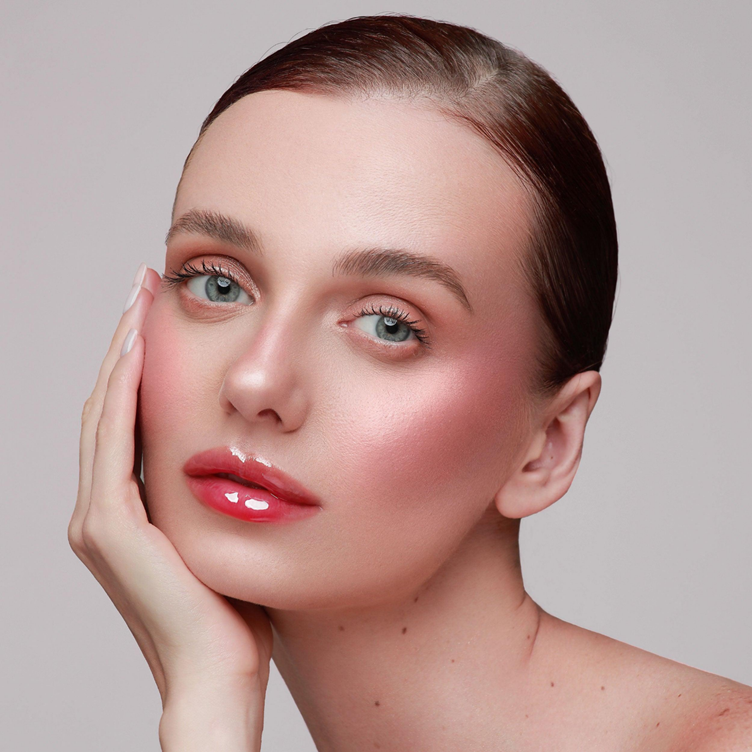
For lips, the look is about color suspended beneath shine rather than a traditional opaque lipstick finish.
Berry, cherry, raspberry, plum, rose, and sheer red tones work particularly well because they naturally complement the translucent quality of the formula.
A useful technique is to apply the color toward the center of the lips and diffuse the edges. This creates a soft, lived-in effect instead of a sharply outlined lip.
Vogue’s 2026 lip-trend reporting also identifies texture and finish as major elements of contemporary lip makeup, alongside blurred and juicy effects.
Jelly Highlighter
Jelly highlighters can produce a wet-looking reflection without necessarily requiring metallic shimmer.
For everyday makeup, apply a small amount to the high points of the cheeks and blend the edges carefully. Too much product can make the skin appear excessively shiny or cause other layers underneath to move.
Jelly Eyeshadow
Jelly and gel-like eyeshadows are particularly useful when you want transparent color with sparkle or shine.
For a daytime look, one sheer layer can be enough. For evening makeup, build the product gradually rather than applying a thick layer at once.
How to Create a Wearable Jelly Makeup Look
The key to making this trend look sophisticated rather than overly glossy is controlled placement.
Step 1: Keep the Base Lightweight
Use a skin tint, lightweight foundation, or spot concealing rather than automatically applying a full-coverage base.
The goal is to let some natural skin character remain visible.
Step 2: Add Jelly Blush
Place a small amount of jelly blush high on the cheeks and blend toward the temples.
If the product is strongly pigmented, tap it onto the back of your hand first. This gives you greater control over the amount reaching the face.
Step 3: Add a Sheer Lip Tint
Choose a translucent berry, pink, coral, or red shade.
Apply one layer, assess the intensity, and then add another if necessary.
Step 4: Add Strategic Shine
Instead of covering the entire face with gloss, concentrate shine on selected areas such as the cheekbones, lips, or inner corners of the eyes.
This creates dimension without making the entire complexion look oily.

What Are the Advantages?
Jelly textures have several practical benefits when the formulation is well designed.
They can be easy to build. Sheer formulas allow users to gradually increase color intensity.
They can look natural. Transparent pigments can integrate with the underlying skin rather than sitting as an obviously separate layer.
They are versatile. Many jelly products work across multiple facial areas.
They encourage lighter makeup. A small amount of translucent color can create visible impact without heavy coverage.
They are highly tactile. The bouncy or glossy texture makes application more interactive and visually distinctive.
What Are the Drawbacks?
The trend is not universally perfect.
Longevity Can Vary
Some glossy or emollient formulas may require more frequent touch-ups than long-wear matte products.
Application Requires Control
Highly pigmented stains can set quickly, making them more difficult to correct once placed.
Too Much Shine Can Become Unbalanced
Using a glossy finish on every feature can make the makeup appear less refined. Strategic placement usually produces a more polished result.
Not Every Formula Works Equally Well Over Makeup
Some jelly products layer beautifully over foundation, while others can disturb the base underneath. Always test a small amount before applying generously.
Product Hygiene Matters
Creamy, gel, and jelly products that are applied directly with fingers should be handled carefully. Clean hands and clean application tools help reduce unnecessary contamination.
Who Should Try the Trend?
Jelly makeup is particularly appealing if you enjoy:
- Sheer, buildable color
- Dewy or glossy finishes
- Minimalist makeup
- Multi-use products
- Fresh-looking blush
- Tinted lip balms and stains
- Korean beauty-inspired makeup techniques
- Makeup that looks good both on camera and in everyday settings
However, there is no requirement to follow the trend from head to toe. Someone who prefers matte foundation can still incorporate a translucent jelly blush or glossy lip.
That flexibility is one of the trend’s biggest strengths.
How Jelly Makeup Fits Into the Bigger 2026 Beauty Picture
Jelly makeup should not be viewed as an isolated novelty. It sits within a broader movement toward skin-forward, adaptable, texture-focused beauty.
Forbes’ reporting on 2026 beauty trends highlights the growing importance of skin preparation, natural-looking complexion, soft monochromatic color, and more instinctive application techniques.
At the same time, beauty coverage from Vogue and Allure shows that modern makeup is increasingly being defined by the relationship between finish, texture, transparency, and application technique, rather than by one universally dominant color trend.
That helps explain why jelly and jam textures feel so relevant now: they offer a way to experiment with makeup while maintaining a relatively lightweight, skin-conscious appearance.
Final Verdict: Is Jelly Makeup Worth Trying?
Yes—but choose the texture for its performance, not simply because it is trending.
The strongest jelly makeup products combine an enjoyable sensory experience with useful cosmetic performance: controllable pigmentation, comfortable wear, easy blending, and a finish that suits the wearer.
For beginners, a sheer jelly blush or tinted lip balm is probably the easiest entry point. More experienced makeup users can experiment with translucent berry lips, glossy cheeks, jelly eyeshadow, or coordinated monochromatic looks.
The most appealing aspect of the 2026 jelly and jam movement is its flexibility. It does not demand a completely new face of makeup. Instead, it gives familiar products a new dimension through texture, translucency, and shine.
In a beauty landscape increasingly moving away from rigid rules, that may be the real reason jelly makeup has become such a defining trend of 2026: it makes makeup feel lighter, more tactile, more expressive, and more personal.


