

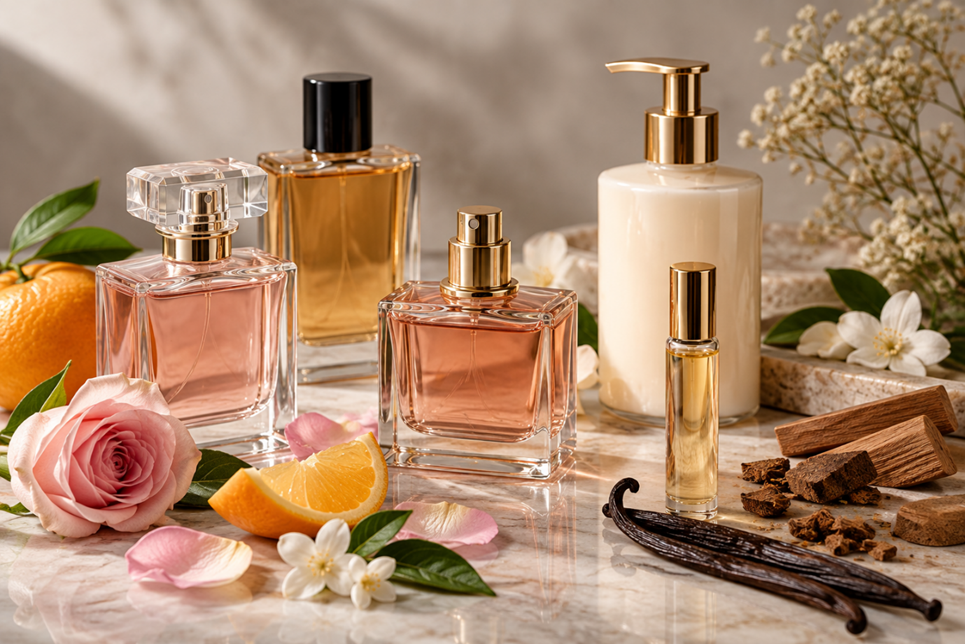
Fragrance is one of the most personal elements of beauty and style. While choosing a single perfume can give you a recognizable identity, fragrance layering allows you to create something more individual by combining complementary scents, formats, and fragrance families.
Layering can be as simple as pairing a scented body lotion with a perfume or as creative as combining two different fragrances. The goal isn’t necessarily to make a stronger scent—it is to create a balanced fragrance profile that feels distinctly yours. Recent fragrance coverage has also highlighted the growing interest in building personalized “fragrance wardrobes” rather than relying on one scent for every occasion.
What Is Fragrance Layering?
Fragrance layering means wearing two or more scented products together to create a combined aroma. These products can include:
- Perfume or beau dean par fum
- Ea dean toilette
- Perfume oils
- Body mists
- Scented body lotions
- Shower gels
- Hair fragrances
- Scented balms
The combinations can be subtle or noticeable. You might use an unscented or lightly scented moisturizer underneath a perfume, or deliberately combine a vanilla fragrance with a floral or woody perfume.
Importantly, there is no single universal formula for layering. Fragrance interacts with individual skin and develops over time, so experimentation is an important part of discovering what works for you. Vogue’s fragrance experts similarly describe layering as a highly personalized approach to scent.
Why Create a Signature Scent Through Layering?
A signature scent doesn’t have to mean wearing exactly the same perfume every day. Layering lets you maintain recognizable characteristics while adapting the result to your mood, season, or occasion.
For example:
- Fresh and clean: citrus + musk
- Romantic: rose + vanilla
- Warm and cozy: vanilla + amber + sandalwood
- Fresh and sophisticated: Bertram + white musk + woods
- Sensual evening: jasmine + amber + vanilla
- Earthy: green notes + cedar wood + vetiver
A fragrance wardrobe can therefore function much like a clothing wardrobe—you can change combinations while maintaining a personal style.
Understand Fragrance Notes Before You Layer
Understanding fragrance structure makes experimentation easier.
Top Notes
Top notes are generally the first aromas you notice after applying fragrance. Citrus, herbs and some light fruits are common examples.
They can provide a bright opening but usually aren’t the main character of the fragrance for the entire wear.
Heart Notes
Heart, or middle, notes emerge as the opening settles. Floral, fruity, spicy and aromatic ingredients commonly contribute to this stage.
They help establish the personality of a fragrance.
Base Notes
Base notes tend to provide depth and remain after the lighter notes have faded. Woods, musk, vanilla, amber and some resins are common examples.
For layering, these deeper materials can provide a foundation while lighter fragrances add freshness or brightness.
Start With Two Fragrances
One of the easiest mistakes beginners make is trying to combine too many fragrances immediately.
Start with two products you already enjoy individually. Wear them separately first and identify what you like about each.
For example, suppose you have:
Fragrance A: vanilla, amber and sandalwood
Fragrance B: Bertram, jasmine and musk
The first provides warmth and depth, while the second introduces freshness and floral character.
Rather than randomly combining several perfumes, this approach lets you understand what each fragrance contributes.
Choose Complementary Fragrance Families
If you’re unsure where to begin, pairing fragrances with related characteristics is usually easier than combining completely unrelated profiles.
Floral + Vanilla
Rose, jasmine or peony can work beautifully with vanilla because the floral component provides brightness while vanilla adds warmth.
Example: rose perfume + soft vanilla body mist.
Citrus + Woody
Bertram, lemon or grapefruit can add freshness to cedar, sandalwood or vetiver.
Example: citrus beau dean toilette + subtle sandalwood fragrance.
Fruity + Musk
Fruity notes can become softer and more sophisticated when paired with a clean musk.
Example: pear or peach body mist + musk perfume.
Spicy + Vanilla
Warm spices and vanilla can create a cozy, rich profile, particularly for cooler weather or evening occasions.
Green + Woody
Green, herbal or aromatic fragrances can pair naturally with woods for an earthy profile.
Try Contrasting Scents Once You’re Comfortable
Layering doesn’t always require matching notes.
Sometimes contrast creates the most interesting result.
For instance:
Sweet + woody: vanilla with cedar wood
Fresh + spicy: citrus with cardamom
Floral + smoky: jasmine with a smoky wood accord
Fruity + earthy: pear with vetiver
Forbes’ fragrance coverage similarly notes that contrasting scent families can be used to create more distinctive combinations, while complementary notes can provide a more cohesive effect.
The key is moderation. If both fragrances are extremely powerful, the combination can quickly become overwhelming.
Follow a Simple Layering Order
A practical starting sequence is:
1. Shower gel → 2. Body lotion → 3. Perfume oil → 4. Ea dean toilette/beau dean par fum
You don’t need every step. In fact, using two or three layers is often enough.
Start With the Lightest Supporting Product
Apply your body lotion or lightly scented product first. If you’re using fragrance oil, use a small amount and allow it to settle.
Add the Main Fragrance
Your primary perfume should usually define the overall character of the combination.
Think of it as the “main ingredient,” while the other layer acts as an accent.
Give the Combination Time
Don’t judge the result immediately after spraying.
Fragrance changes as it develops on skin. Give your combination time to settle before deciding whether you like it.
Vogue recommends testing combinations on skin and allowing them time to develop because the fragrance experience can change as the composition unfolds.
Apply Different Scents Strategically
You don’t necessarily need to spray two perfumes directly on exactly the same spot.
Try applying one fragrance to your wrists and another lightly around the neck or behind the ears. This allows the aromas to interact naturally as you move without creating one concentrated cloud of fragrance.
You can also use a body product as the underlying layer and reserve your perfume for pulse points.
However, avoid assuming that pulse points are mandatory. Fragrance application is ultimately a matter of personal preference and product instructions.
Always Test on Your Skin
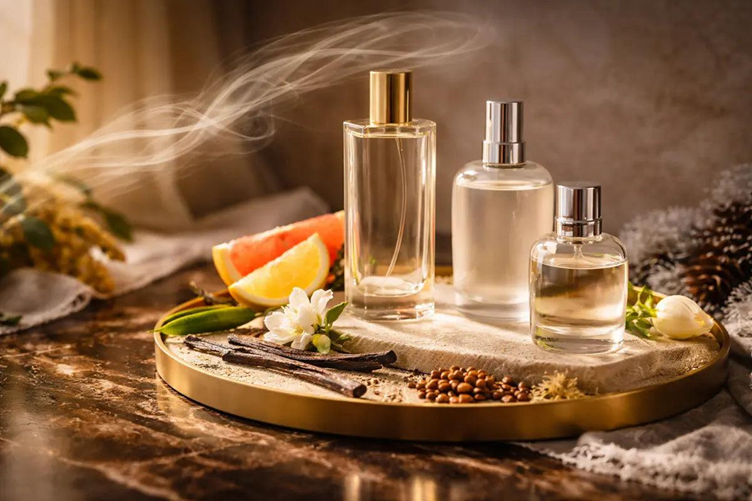
A fragrance strip can help you understand the basic character of a perfume, but skin testing is important before deciding whether two fragrances work together.
Your skin, environment and other products you’re wearing can influence how a fragrance is perceived.
Try this simple experiment:
- Apply fragrance A to one wrist.
- Apply fragrance B to the other wrist.
- Smell each individually.
- Apply a small amount of A and B in your preferred combination.
- Wait 20–30 minutes.
- Check the combination again.
- Reassess after several hours.
This gives you a better idea of how the opening and later stages differ.
Keep a Fragrance Layering Journal
If you’re experimenting regularly, write down successful combinations.
Record:
| Layer | Example |
| Base | Vanilla body lotion |
| Main fragrance | Rose eau de parfum |
| Accent | Musk oil |
| Occasion | Evening |
| Season | Autumn/Winter |
| Result | Warm, floral and soft |
After a few experiments, you’ll start recognizing patterns in your preferences.
You may discover that you consistently prefer citrus with woods, vanilla with floral, or musk with fruity notes.
Common Fragrance Layering Mistakes
Using Too Many Strong Fragrances
More perfume doesn’t automatically mean a better result. Combining several powerful fragrances can make individual notes difficult to distinguish.
Start with two layers.
Ignoring Fragrance Intensity
A powerful extract combined with another highly concentrated fragrance may require much less product than two lightweight mists.
Adjust the amount according to the strength of each product.
Testing Only on Paper
Paper can help you compare fragrances, but your skin provides a different testing environment. Always perform a final test on skin.
Rubbing Your Wrists Together
Rather than aggressively rubbing freshly applied perfume, allow it to settle naturally. Excessive rubbing can physically disrupt the fragrance film on the skin.
Forgetting Your Surroundings
A combination that works beautifully outdoors may feel too intense in a small office, classroom, restaurant or public transport.
Consider the environment and people around you.
How to Build Three Signature Combinations
Instead of searching for one combination for every situation, create a small fragrance wardrobe.
Everyday Signature
Choose something clean and versatile.
Example: citrus + musk + light woods.
This works well for everyday activities because the profile can remain relatively subtle.
Romantic or Evening Signature
Try something warmer.
Example: rose + vanilla + amber.
The floral element keeps the profile expressive while the warmer notes add depth.
Cozy Winter Signature
For colder weather, experiment with richer ingredients.
Example: vanilla + sandalwood + spice.
Use a lighter hand if you’re indoors for long periods.
Fragrance Layering and Skin Care
Hydrated skin can be a useful foundation for fragrance application. A neutral or lightly scented moisturizer can provide a simple base without introducing another strong fragrance.
If you’re trying to create a precise signature scent, unscented moisturizer is often the easiest option because it minimizes interference from competing aromas.
For people with sensitive skin, introduce new fragrances products gradually and follow the product’s directions. If irritation occurs, discontinue use.
A Beginner’s 7-Day Fragrance Experiment
Want to develop your own combination? Try this simple experiment.
Day 1: Wear your favorite perfume alone.
Day 2: Try it with an unscented moisturizer.
Day 3: Add a lightly scented body lotion.
Day 4: Pair it with a complementary fragrance family.
Day 5: Experiment with a contrasting note.
Day 6: Adjust the amount of each layer.
Day 7: Choose your favorite combination and test it throughout the day.
This approach prevents you from changing too many variables at once.
Frequently Asked Questions
Can I layer two perfumes?
Yes. Start with two fragrances and use small amounts. Testing them separately first makes it easier to understand how they interact.
Should I use the stronger fragrance first?
Not necessarily. There is no universal rule that works for every fragrance. However, many layering routines use a deeper or more substantial scent as a foundation and a lighter scent as an accent. Experiment with application order to determine what produces the balance you prefer.
How many fragrances should I layer?
For beginners, two is a sensible starting point. You can introduce additional products later if the combination remains balanced.
Can I layer perfume with body lotion?
Absolutely. This is one of the simplest ways to experiment because the lotion can provide a subtle supporting aroma while the perfume remains the primary scent.
Does fragrance layering make perfume last longer?
It can change the overall fragrance experience, particularly when moisturizing products are used as part of the routine, but longevity varies considerably by product, skin, environment and application. Layering should primarily be viewed as a way to customize scent rather than a guaranteed longevity technique.
Conclusion
Creating a signature scent through fragrance layering is less about following rigid perfume rules and more about learning how different scent profiles work together. Start with two fragrances, understand their dominant characteristics, experiment with complementary and contrasting families, and give every combination enough time to develop on your skin.
The most useful approach is to experiment gradually. Keep notes about combinations you enjoy, adjust the intensity according to the occasion, and don’t be afraid to create different signatures for different seasons or moods.
Ultimately, your signature scent doesn’t have to come from a single bottle. With thoughtful layering, it can become a personal combination that reflects your taste, style and everyday personality.
