

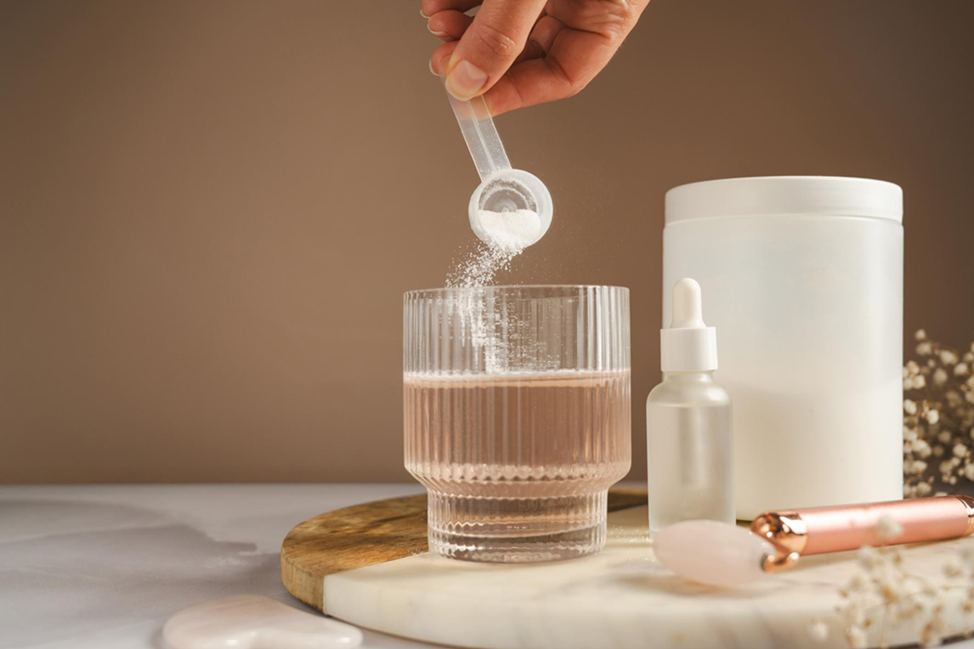
Beauty is increasingly moving beyond creams and serums. From collagen powders to “glow” capsules, ingestible beauty supplements promise healthier-looking skin from the inside out. But do these products genuinely improve skin, or are they simply another wellness trend?
The answer is more nuanced than the marketing suggests. Research indicates that some collagen supplements may modestly improve skin hydration and elasticity, but the evidence is not strong enough to treat them as miracle anti-aging products. Other “glow” supplements can be useful when they correct a nutritional deficiency, but taking more vitamins does not automatically translate into better skin.
What Are Edible Beauty Supplements?
“Edible beauty” refers to foods, drinks, powders, gummies, and capsules marketed to support skin, hair, or nails.
Common ingredients include:
- Hydrolyzed collagen peptides
- Vitamin C
- Hyaluronic acid
- Zinc
- Biotin
- Antioxidants
- Ceramides
- Botanical extracts
Collagen is particularly popular because it is a major structural protein found throughout the body, including the skin. As we age, natural collagen production declines, contributing to changes such as reduced elasticity and the development of wrinkles.
Do Collagen Supplements Really Improve Skin?
The Evidence Is Promising—but Not Definitive
There is legitimate research behind oral collagen, although the results should be interpreted carefully.
A 2023 systematic review and meta-analysis examined 26 randomized controlled trials involving 1,721 participants and found that hydrolyzed collagen supplementation was associated with improvements in skin hydration and elasticity compared with placebo. However, the researchers also identified limitations and called for larger, better-designed trials.
A more recent umbrella review covering 16 systematic reviews and 113 randomized controlled trials also found generally favorable associations between collagen supplementation and several health outcomes, including skin-related measures.
At the same time, newer evidence remains cautious. Forbes Health notes that some research reports benefits while other studies find little or no meaningful effect, highlighting uncertainty around the overall effectiveness of collagen supplements.
How Might Collagen Work?
Collagen supplements do not simply travel from your stomach directly into your skin.
Hydrolyzed collagen is broken down into smaller peptides during digestion. Some of these peptides and their amino acids can enter circulation and may contribute to processes involved in connective-tissue metabolism. Researchers are still investigating exactly how much of the observed skin effect comes from these peptides and how much comes from other factors.
This is why it is more accurate to say that collagen may support certain aspects of skin health rather than claiming it “rebuilds your skin.”
What About “Glow” Supplements?
Glow supplements are a much broader category, and their effectiveness depends heavily on their ingredients.
Vitamin C
Vitamin C is required for normal collagen formation and is an important nutrient for skin health. Getting adequate vitamin C through foods such as citrus fruits, berries, peppers, and vegetables is generally more important than relying on a beauty supplement.
Zinc and Other Nutrients
Zinc and several other micronutrients play important roles in normal skin function. However, supplementation is most useful when dietary intake is inadequate, or a deficiency exists.
Taking excessive amounts does not necessarily produce better skin and can sometimes cause adverse effects.
Hyaluronic Acid and Antioxidants
Some beauty formulas combine collagen with hyaluronic acid, antioxidants, or plant extracts. The challenge is that when several ingredients are combined, it becomes difficult to determine which ingredient is responsible for any reported improvement. Harvard Health makes a similar point when discussing collagen studies that used formulas containing multiple additional ingredients.
What Should You Look for in a Supplement?
If you decide to try an edible beauty product, approach it like any other dietary supplement rather than a cosmetic treatment.
1. Check the Ingredient List
A short, transparent ingredient list is generally preferable to a product making dozens of beauty claims.
2. Look for Third-Party Testing
Independent testing can provide additional reassurance about ingredient identity and contaminants. Forbes Health specifically recommends looking for third-party-tested collagen products.
3. Avoid Miracle Claims
Be skeptical of products promising dramatic wrinkle removal, instant radiance, permanent tightening, or guaranteed hair growth.
4. Consider Your Overall Diet
Collagen is not a complete protein because it does not provide all essential amino acids in adequate proportions. It should not replace varied protein sources such as eggs, dairy, legumes, fish, meat, or other appropriate foods.
Collagen vs. Proven Skin-Care Basics
One of the biggest mistakes is treating supplements as a replacement for established skin-care practices.
Harvard Health notes that evidence for oral collagen remains limited and recommends prioritizing measures such as sun protection and evidence-based topical treatments when the goal is reducing visible signs of skin aging.
In practical terms, a sensible beauty routine still starts with:
- Daily broad-spectrum sunscreen
- Gentle cleansing
- Appropriate moisturization
- Adequate sleep
- A balanced diet
- Sufficient protein
- Avoiding smoking
- Managing excessive sun exposure
A collagen supplement, if used, should be considered an optional addition, not the foundation of skin care.
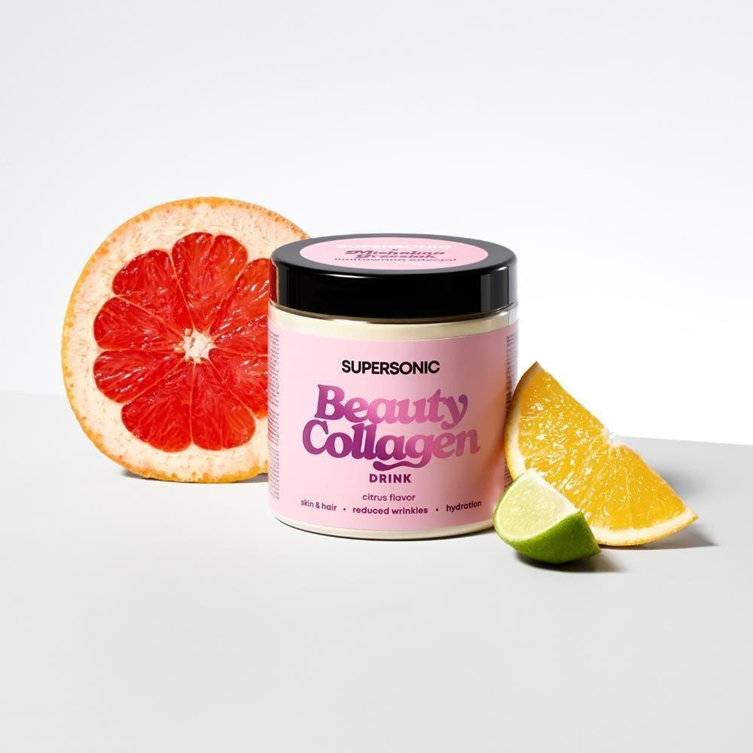
Are Collagen Supplements Safe?
Collagen products are generally considered well tolerated in studies, but supplements are not risk-free. Possible issues include digestive discomfort, allergies related to the source ingredient, and unnecessary exposure to additives or contaminants.
People with medical conditions, dietary protein restrictions, allergies, pregnancy or other specific health considerations should discuss supplementation with a qualified healthcare professional.
It is also important to remember that dietary supplements are not evaluated in exactly the same way as prescription medicines for demonstrating effectiveness before marketing.
The Bottom Line
Collagen and glow supplements are neither a complete scam nor a guaranteed shortcut to youthful skin.
The strongest takeaway from current research is that hydrolyzed collagen may provide modest improvements in skin hydration and elasticity for some people, but the evidence remains mixed, and researchers continue to call for larger, higher-quality studies.
For most people, the smartest approach is to think of “edible beauty” as supportive nutrition rather than a replacement for good skin care. A balanced diet, sun protection, and evidence-based topical products remain the fundamentals. If you choose to add collagen or another beauty supplement, select a transparent, appropriately tested product and keep expectations realistic.
