

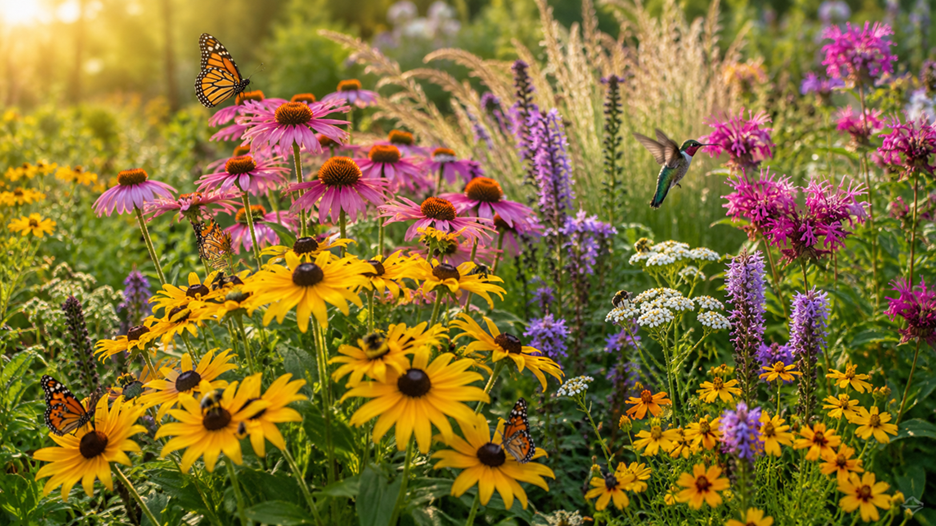
Recent gardening experts continue to recommend pairing Black-Eyed Susans (Rudbeckia) with drought-tolerant native perennials and ornamental grasses that share the same growing conditions. Plants such as Purple Coneflower, Bee Balm, Coreopsis, Blazing Star (Liatris), Asters, Yarrow, Sedum, Russian Sage, and Little Bluestem remain among the best companion choices because they extend bloom time, attract pollinators, improve biodiversity, and create visually balanced landscapes.
Introduction
Black-Eyed Susans are among the easiest flowers to grow, yet the right companions can transform them from simple yellow blooms into a breathtaking garden that remains colorful for months. Their cheerful golden petals brighten borders, cottage gardens, prairie landscapes, and pollinator gardens while attracting bees, butterflies, and even seed-loving birds later in the season. These hardy perennials thrive in full sun and tolerate drought once established, making them ideal for gardeners who want beauty without constant maintenance. Their adaptability also means they pair well with dozens of flowering perennials, ornamental grasses, and native plants that share similar growing conditions.
Choosing the best companion plants is about much more than appearance. Good companions bloom at different times, support pollinators, reduce weed growth, improve biodiversity, and create layers of texture that make a flower bed look professionally designed. Native gardening experts consistently recommend combining Black-Eyed Susans with other prairie plants because they naturally evolved together and require similar care. This creates a healthier ecosystem while reducing watering and fertilizer needs. Whether you’re designing a small backyard border or an expansive wildflower meadow, selecting the right companions ensures your garden looks spectacular from early summer until frost.
Why Companion Planting Matters
Companion planting isn’t just a vegetable gardening technique. Ornamental gardens benefit enormously when plants complement one another in height, bloom time, root structure, and environmental needs. Black-Eyed Susans naturally grow alongside many North American prairie species, so recreating these combinations produces healthier, more resilient landscapes. Gardens filled with diverse flowering plants attract beneficial insects that help control pests naturally while supporting declining pollinator populations. Recent gardening guidance continues to encourage combining nectar-rich flowers that bloom across multiple seasons rather than relying on a single flowering species.
Another important benefit is visual balance. Imagine a garden where bright yellow flowers are surrounded by purple spikes, soft ornamental grasses, and pink coneflowers swaying in the breeze. The contrasting colors and textures make every bloom stand out while preventing the landscape from looking flat or repetitive. Companion planting also extends seasonal interest. When Black-Eyed Susans begin fading in autumn, asters and sedums continue the floral display, ensuring your garden remains attractive long after summer ends.
Understanding Black-Eyed Susans
Growing Requirements
Black-Eyed Susans thrive in USDA Zones 3–9, preferring full sun and well-drained soil. Once established, they tolerate drought remarkably well, making them excellent choices for low-maintenance gardens. These perennials usually bloom from midsummer into early autumn, producing bright yellow petals surrounding their distinctive dark centers. They are also relatively resistant to deer and rabbits because of their coarse foliage.
Because they prefer average soil rather than rich, heavily fertilized beds, they combine perfectly with other native prairie flowers that enjoy similar conditions. Overly fertile soil often encourages excessive leafy growth while reducing flower production. Moderate watering during establishment followed by occasional deep watering during prolonged dry periods keeps them healthy and blooming abundantly.
Benefits in the Landscape
Beyond their beauty, Black-Eyed Susans provide tremendous ecological value. Their nectar supports bees and butterflies throughout summer, while seed heads feed finches and other birds during autumn and winter. Garden designers also appreciate their upright growth habit, which creates structure in mixed borders. When planted in drifts, they produce an eye-catching sea of golden flowers that can be seen from a distance, making them one of the most effective landscape plants for naturalistic gardens.
Best Flowering Companion Plants
Purple Coneflower (Echinacea purpurea)
If there is one plant that seems made to grow alongside Black-Eyed Susans, it is Purple Coneflower. These two North American native perennials naturally occur in similar prairie habitats, which means they share nearly identical growing requirements. Both enjoy full sun, tolerate periods of drought, and thrive in average, well-drained soil. This compatibility makes maintenance much easier because neither plant requires special care or frequent watering once established. Gardeners who want a beautiful landscape without spending hours maintaining flower beds often pair these two species because they reliably return year after year with minimal effort.
The visual combination is equally impressive. The warm golden-yellow petals of Black-Eyed Susans contrast beautifully against the rosy-purple blooms of coneflowers, creating a classic late-summer color palette. Their flowering seasons overlap, producing continuous color from midsummer through early fall. Pollinators absolutely love this pairing, with butterflies, native bees, and honeybees regularly moving between the flowers throughout the day. Even after blooming ends, the seed heads provide food for goldfinches and other songbirds during autumn and winter. For gardeners hoping to build a wildlife-friendly landscape while maintaining strong curb appeal, this combination remains one of the finest choices available.
Bee Balm (Monarda)
Bee Balm brings something completely different to the garden. Instead of daisy-shaped flowers, it produces unusual, shaggy blooms in brilliant shades of red, pink, purple, and lavender that instantly attract hummingbirds and butterflies. When planted beside Black-Eyed Susans, Bee Balm introduces dramatic texture and vertical interest without overwhelming the surrounding plants. Because Bee Balm generally flowers during early to mid-summer, it bridges the seasonal gap before Black-Eyed Susans reach their peak bloom, creating a seamless display of color across several months.
Another reason this pairing works so well is biodiversity. Bee Balm is famous for attracting pollinators of every kind, including bumblebees, hummingbirds, butterflies, and beneficial insects that naturally help reduce pest populations. Since both plants are excellent nectar sources, combining them creates a highly productive pollinator habitat that remains active from sunrise until sunset during the growing season. Bee Balm does appreciate slightly more moisture than Black-Eyed Susans, but both plants perform exceptionally well in fertile, well-drained garden beds receiving six or more hours of direct sunlight.
Coreopsis
Coreopsis, often called Tickseed, is another outstanding companion because it shares the same carefree nature as Black-Eyed Susans. This long-blooming perennial produces masses of cheerful yellow, orange, or bi-colored flowers that brighten borders from early summer well into autumn. While both plants feature daisy-like blossoms, their flower shapes and foliage textures differ enough to create an attractive layered effect rather than appearing repetitive. The finer leaves of Coreopsis contrast beautifully against the broader foliage of Rudbeckia, giving garden beds a more refined and balanced appearance.
One of Coreopsis’ greatest strengths is its exceptionally long flowering season. Many modern cultivars bloom continuously with minimal deadheading, ensuring color even before Black-Eyed Susans begin flowering. Because both species tolerate heat, drought, and poor soil, they make excellent companions for xeriscaping and low-water landscapes. Gardeners looking for reliable color without intensive maintenance frequently rely on this pairing to create vibrant borders that remain attractive throughout the hottest months of summer.
Blanket Flower (Gaillardia)
Blanket Flower adds fiery shades of red, orange, and gold that perfectly complement the sunny yellow petals of Black-Eyed Susans. Native to North America, this drought-resistant perennial thrives in the same sunny, well-drained conditions and requires very little maintenance after establishment. Its warm colors create an energetic, prairie-inspired planting scheme that feels both natural and intentionally designed. When viewed from a distance, the combination resembles a sunset spreading across the landscape, with rich oranges gradually blending into brilliant yellows.
Beyond aesthetics, Blanket Flower is another pollinator favorite. Bees, butterflies, and beneficial insects frequently visit its nectar-rich blossoms throughout summer. Because the plant continues blooming over an extended period, it fills color gaps before and after Black-Eyed Susans reach their flowering peak. Deadheading spent blooms encourages even more flowers, allowing the display to continue until frost in many regions. The combination is especially effective in cottage gardens, native landscapes, and roadside-style meadow plantings where natural beauty takes priority over formal design.
Yarrow (Achillea millefolium)
Yarrow offers an entirely different flower shape that enhances the visual diversity of a mixed perennial border. Instead of large daisy blooms, Yarrow produces broad, flat clusters of tiny flowers held above finely divided, fern-like foliage. Available in shades of white, yellow, pink, peach, and red, it pairs effortlessly with Black-Eyed Susans while softening the overall appearance of the planting. The airy foliage provides a delicate contrast to Rudbeckia’s sturdy stems, making the garden feel more dynamic and layered.
Another advantage is Yarrow’s remarkable resilience. It thrives in dry, sunny locations, tolerates poor soils, and often blooms for weeks with little attention. Beneficial insects such as ladybugs, lacewings, hoverflies, and parasitic wasps are particularly attracted to Yarrow, helping create a healthier garden ecosystem. Since these insects prey on common garden pests, Yarrow indirectly benefits neighboring plants, making it both beautiful and functional. Gardeners seeking a sustainable, environmentally friendly landscape frequently include Yarrow as a foundational companion plant.
Salvia
Salvia introduces rich spikes of blue, violet, or deep purple flowers that contrast dramatically against the golden blooms of Black-Eyed Susans. This classic color combination is one of the most effective ways to create visual impact because blue and yellow naturally enhance one another. The vertical flower spikes also break up the rounded forms of Rudbeckia, adding height and architectural interest throughout the garden bed.
Salvia’s fragrant foliage offers another advantage. While pollinators adore the flowers, many browsing animals such as deer and rabbits tend to avoid the aromatic leaves. Like Black-Eyed Susans, Salvia performs best in sunny locations with excellent drainage and only moderate watering after establishment. Together, these plants create a vibrant, low-maintenance display that supports pollinators while resisting many common garden challenges.
Blazing Star (Liatris spicata)
Blazing Star, also known as Gayfeather, produces tall purple flower spikes that seem to float above surrounding perennials. These elegant blooms create strong vertical accents among the rounded flowers of Black-Eyed Susans, giving garden beds a professionally layered appearance. Their bloom periods overlap during midsummer, providing weeks of complementary yellow and purple color that attracts attention from both people and pollinators.
Butterflies are particularly fond of Blazing Star, often covering the flower spikes during warm summer afternoons. Native bees also rely heavily on its nectar, making it an excellent addition to wildlife gardens. Since both species evolved within North American prairies, they naturally coexist and require very similar care. Their combined drought tolerance makes them especially valuable in regions experiencing increasingly hot summers and water restrictions.
Asters
As the gardening season begins winding down, Asters take center stage. Their purple, pink, blue, or white flowers emerge just as Black-Eyed Susans begin slowing their bloom cycle, extending the overall color display well into autumn. This succession planting strategy ensures your landscape never appears empty, even after many summer flowers have faded. The combination also provides an essential late-season nectar source for migrating butterflies and native bees preparing for winter.
Visually, asters create a stunning autumn display when mixed with the lingering golden flowers of Rudbeckia. Their smaller blossoms form dense clouds of color that soften the bold appearance of Black-Eyed Susans while maintaining a natural meadow aesthetic. Garden designers often recommend planting asters toward the back or middle of borders, allowing their late-season flowers to emerge through fading summer perennials. The result is a garden that feels alive and colorful from spring until the first frost.
Best Ornamental Grass Companions
Little Bluestem (Schizachyrium scoparium)
Among ornamental grasses, Little Bluestem is one of the finest companions for Black-Eyed Susans because both plants naturally grow together in North American prairies. This native warm-season grass develops slender blue-green blades during spring and summer before transforming into stunning shades of copper, bronze, orange, and reddish-purple in autumn. When paired with the bright yellow flowers of Black-Eyed Susans, the result is a landscape that changes beautifully with the seasons rather than relying on flowers alone. Even after the blooms fade, Little Bluestem continues providing texture and color throughout fall and winter, ensuring your garden never looks empty.
Beyond its beauty, this grass is incredibly practical. It tolerates poor soil, drought, heat, and windy conditions while requiring almost no maintenance after establishment. Its upright habit also helps support nearby flowers visually without competing aggressively for nutrients or water. The fine foliage contrasts perfectly with the bold, coarse leaves of Rudbeckia, creating a pleasing balance of textures. Wildlife also benefits from this pairing because Little Bluestem offers shelter for beneficial insects and nesting material for birds while Black-Eyed Susans supply nectar and seeds. Together, these plants create a miniature ecosystem that supports biodiversity while delivering year-round ornamental value.
Switchgrass (Panicum virgatum)
Switchgrass is another exceptional ornamental grass that complements Black-Eyed Susans in both appearance and performance. Growing anywhere from three to six feet tall depending on the variety, it introduces graceful vertical movement that softens the bold daisy-shaped blooms. As summer breezes move through the garden, the delicate seed heads sway gently above the flowers, creating a calming, natural prairie effect that many landscape designers intentionally recreate in modern gardens.
Like Rudbeckia, Switchgrass thrives in full sun and adapts well to average garden soil. It is remarkably drought tolerant after becoming established and rarely suffers from serious pest or disease problems. During autumn, many cultivars develop attractive shades of gold, burgundy, or red that continue providing interest long after flowering plants have finished blooming. The persistent seed heads remain attractive throughout winter while offering food for birds and shelter for beneficial insects. If you’re aiming for a landscape that combines beauty with ecological value, this pairing deserves a prominent place in your garden.
Plants to Avoid
Although Black-Eyed Susans are highly adaptable, not every plant makes a suitable companion. Choosing incompatible species can lead to poor growth, increased disease risk, or excessive maintenance. Understanding which plants to avoid is just as important as selecting the right companions because mismatched growing requirements often result in disappointing garden performance.
Plants that require consistently wet soil generally perform poorly beside Black-Eyed Susans. For example, moisture-loving species such as certain irises, marsh plants, or water-loving ferns struggle when grown in the well-drained conditions preferred by Rudbeckia. Likewise, shade-loving plants such as Hostas, Astilbes, and many woodland perennials are unsuitable because Black-Eyed Susans need at least six hours of direct sunlight daily to produce abundant flowers. Planting these together forces one or both species to grow outside their ideal conditions.
Aggressive spreading plants should also be approached cautiously. Vigorous groundcovers like some varieties of mint or invasive ornamental grasses can quickly overwhelm young Black-Eyed Susans by competing for sunlight, moisture, and nutrients. Similarly, overly large shrubs planted too close may eventually shade the flowers, reducing bloom production and encouraging fungal diseases caused by poor air circulation. Giving each plant adequate space allows healthy growth while preserving the balanced appearance of the planting.
Designing a Beautiful Garden Bed
A thoughtfully designed flower bed does much more than display individual plants—it tells a visual story throughout the seasons. Black-Eyed Susans work best when planted in groups of five, seven, or more rather than as isolated specimens. Large drifts of yellow flowers create bold visual impact and mimic their natural prairie habitat. Around these groupings, companion plants should be arranged according to height, bloom time, and color to maintain interest from spring through fall.
A simple design strategy places taller plants such as Switchgrass, Blazing Star, or Joe-Pye Weed toward the back of borders. Mid-sized companions like Purple Coneflowers, Bee Balm, and Asters occupy the middle layer, while shorter plants including Coreopsis, Salvia, and Yarrow soften the front edge. This layered arrangement ensures every plant remains visible while creating depth that makes even small gardens appear larger.
Color harmony is equally important. Black-Eyed Susans naturally pair with cool shades of purple, blue, and lavender because these colors contrast beautifully with their golden petals. At the same time, warm-toned companions like Blanket Flower and orange Coreopsis create energetic combinations that resemble wildflower meadows. Mixing flower shapes—daisy blooms, spiky flowers, airy grasses, and flat flower clusters—adds visual richness without making the garden appear cluttered. Repeating the same companion plants throughout the border also creates rhythm and unity, giving the landscape a professionally designed appearance.
Care Tips for Companion Plantings
One of the greatest advantages of growing Black-Eyed Susans alongside compatible companions is the simplicity of maintenance. Since most recommended companion plants share similar cultural requirements, caring for the entire garden becomes much easier than maintaining collections of plants with different needs. The first year is the most important because young plants require regular watering while establishing healthy root systems. Deep watering once or twice each week is generally better than frequent shallow watering because it encourages roots to grow deeper into the soil.
Applying a layer of organic mulch around the plants helps retain moisture, suppress weeds, and regulate soil temperature. Leave a small gap around the plant crowns to reduce the risk of fungal diseases. Deadheading spent flowers throughout summer encourages continued blooming in many companion species such as Coreopsis, Blanket Flower, and Salvia. Toward autumn, however, consider leaving some Black-Eyed Susan seed heads intact. These seeds provide valuable winter food for finches and other birds while adding attractive structure to the winter landscape.
Fertilizer should be used sparingly. Excessive nitrogen encourages lush leafy growth but often reduces flower production. Most prairie perennials perform best in average soil without heavy feeding. Dividing overcrowded perennials every three to five years improves airflow, maintains vigorous flowering, and prevents plants from competing excessively for nutrients. Regular observation is equally important; removing diseased foliage promptly and ensuring good air circulation minimizes problems such as powdery mildew, particularly during humid summers.
By selecting compatible companion plants and following these straightforward care practices, gardeners can enjoy a colorful, pollinator-friendly landscape that delivers beauty from early summer until well into autumn with surprisingly little effort.
Conclusion
Black-Eyed Susans are far more than cheerful yellow flowers—they are the foundation of a thriving, low-maintenance garden filled with color, movement, and wildlife. By pairing them with companion plants that share similar growing requirements, you create a landscape that remains healthy, attractive, and ecologically valuable throughout the growing season. Native perennials such as Purple Coneflower, Bee Balm, Blazing Star, Coreopsis, Yarrow, and Asters, along with ornamental grasses like Little Bluestem and Switchgrass, complement Black-Eyed Susans in both appearance and performance. These combinations produce continuous blooms, attract bees, butterflies, hummingbirds, and birds, while reducing the need for excessive watering, fertilizing, and pest control.
A successful companion planting strategy also focuses on diversity. Mixing flower shapes, foliage textures, heights, and bloom periods transforms a simple flower bed into a dynamic landscape that changes beautifully from spring through winter. The upright spikes of Salvia and Liatris contrast with the rounded daisy blooms of Rudbeckia, while airy ornamental grasses add graceful movement with every breeze. Late-blooming asters extend the floral display after summer flowers begin fading, ensuring your garden continues to provide nectar for pollinators during one of the most important times of the year.
Beyond aesthetics, companion planting contributes to a healthier ecosystem. Native plants evolved together over thousands of years, making them naturally compatible and highly beneficial for local wildlife. Gardens designed with biodiversity in mind require fewer chemical treatments, support stronger pollinator populations, and provide shelter and food for countless beneficial insects and birds. Instead of creating isolated flower beds, you’re building a miniature habitat that contributes positively to the surrounding environment.
Whether you’re planting a compact backyard border, designing a cottage garden, or establishing a large prairie-inspired landscape, Black-Eyed Susans deserve a central place in your design. Their brilliant golden blooms combine effortlessly with dozens of complementary plants, offering months of vibrant color with relatively little maintenance. By selecting companions that thrive under the same conditions and arranging them thoughtfully, you’ll enjoy a beautiful, resilient garden that rewards both you and local wildlife season after season.
Frequently Asked Questions (FAQs)
1. What is the best companion plant for Black-Eyed Susans?
The Purple Coneflower (Echinacea purpurea) is widely considered the best companion plant for Black-Eyed Susans. Both are native North American perennials with nearly identical growing requirements. They bloom during similar periods, attract a wide variety of pollinators, and create a striking contrast between purple and golden-yellow flowers. Together, they form one of the most iconic combinations in prairie and pollinator gardens.
2. Can Black-Eyed Susans grow with ornamental grasses?
Yes. Ornamental grasses such as Little Bluestem, Switchgrass, and Prairie Dropseed pair exceptionally well with Black-Eyed Susans. These grasses provide texture, movement, and year-round interest while sharing the same preference for full sun and well-drained soil. Their graceful foliage also helps support a natural prairie aesthetic and provides habitat for birds and beneficial insects.
3. Do Black-Eyed Susans attract pollinators?
Absolutely. Black-Eyed Susans are highly attractive to bees, butterflies, hoverflies, and other beneficial insects. Their nectar-rich flowers provide an important food source throughout summer, while the mature seed heads feed goldfinches and other birds during autumn and winter. They are considered one of the best plants for creating a wildlife-friendly garden.
4. What plants should not be planted near Black-Eyed Susans?
Avoid plants that require deep shade, constantly wet soil, or have extremely aggressive spreading habits. Shade-loving plants such as Hostas generally perform poorly because Black-Eyed Susans need full sun. Moisture-loving species may suffer in the well-drained conditions preferred by Rudbeckia, while invasive groundcovers or vigorous grasses can crowd and outcompete young plants.
5. How far apart should companion plants be from Black-Eyed Susans?
Most companion plants should be spaced 18 to 24 inches (45–60 cm) from Black-Eyed Susans, depending on the mature size of each species. Proper spacing improves air circulation, reduces the likelihood of fungal diseases, and allows every plant enough room to develop healthy roots and abundant flowers. Always check the mature width of each plant before planting to avoid overcrowding as the garden matures.
