







In a world filled with endless distractions, productivity methods promising focus and results are everywhere. Among these, the Pomodoro Technique stands out as one of the most widely adopted time-management strategies. But beyond its popularity, does it genuinely improve productivity? This article breaks down what the Pomodoro Technique is, how it works, research and expert insights, practical applications, limitations, and whether it’s right for you.
What Is the Pomodoro Technique?
At its core, the Pomodoro Technique is a simple system for structuring work into short, focused intervals. Developed by Francesco Cirillo in the late 1980s, the method uses a timer to divide work into bursts of concentration followed by brief breaks. Each interval is traditionally 25 minutes long and is called a Pomodoro (Italian for “tomato”), named after the tomato-shaped kitchen timer Cirillo initially used.
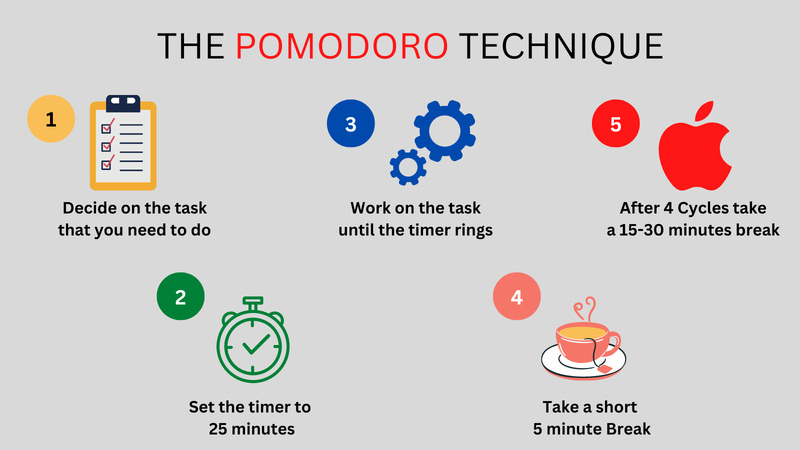
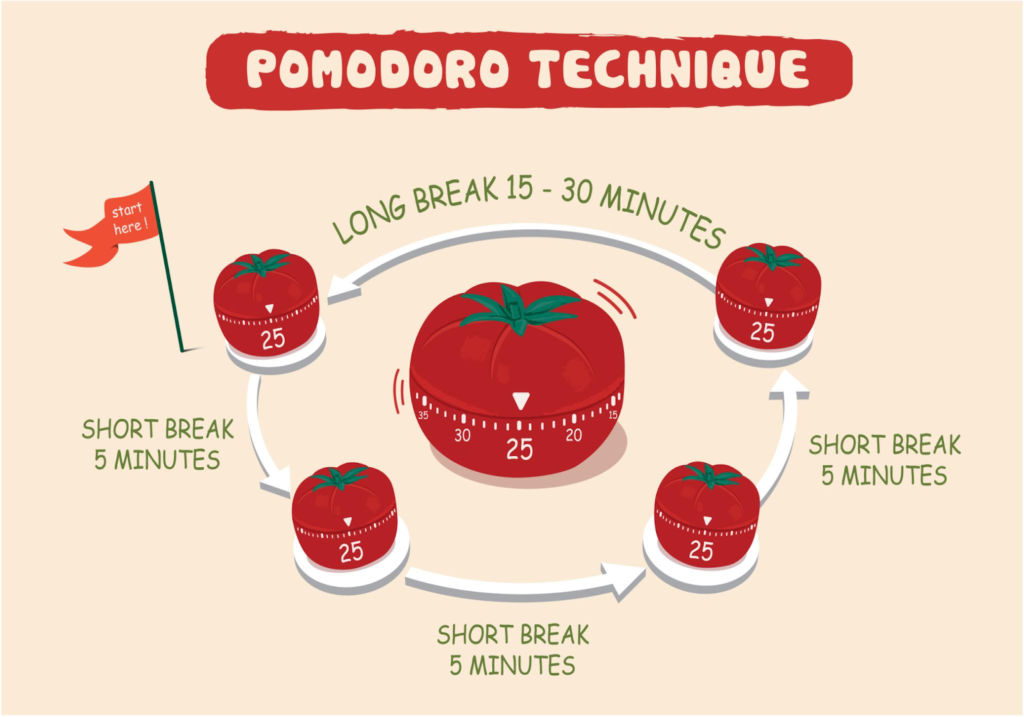
How It Works: The Step-by-Step Process
- Choose a task you want to work on.
- Set your timer for a Pomodoro session (typically 25 minutes).
- Work with full focus until the timer ends.
- Take a short break (usually 5 minutes).
- After four Pomodoros, take a longer break (15–30 minutes).
This rhythm of focused work and restorative rest aims to sustain high levels of attention without burnout.
Why the Pomodoro Technique Is Popular
Simplicity and Structure
The Pomodoro Technique doesn’t require apps or complex systems. A simple timer and clear goals make it easy to start immediately, which contributes to its widespread adoption among students, professionals, and creatives.
Reducing Procrastination
The brief, defined nature of each Pomodoro lowers the psychological barrier to starting difficult tasks. Knowing you only have to focus for 25 minutes makes it easier to begin, especially on tasks you might otherwise delay.
Built-in Rest Boosts Attention
Frequent breaks act as mini resets for the brain, which can help prevent mental fatigue. Research suggests that regular rest can help maintain sustained attention over longer working periods. For a deeper dive into productivity science and optimal work-rest cycles, check out this overview from the American Psychological Association.
What Research Says: Does Pomodoro Actually Work?
Evidence-Backed Benefits
Although research specifically targeting the Pomodoro Technique is limited, related studies on focused work intervals and breaks support its principles:
- Time blocking and goal setting – Breaking your day into scheduled blocks can enhance focus and reduce decision fatigue.
- Rest and cognitive performance – Short breaks during long tasks have been shown to help maintain concentration and memory recall.
In application, many professionals report improved productivity, clearer prioritization, and less stress when using Pomodoro regularly.
Practical Examples
Students and Studying
Students often face long reading assignments or problem sets that can feel overwhelming. Using Pomodoro, a student might:
- Break a 2-hour study session into four Pomodoros with short breaks.
- Use breaks to stand up, stretch, or hydrate.
- After the fourth session, take a longer break to reset before the next task.
This structure makes large workloads more approachable and minimizes study fatigue.
Knowledge Workers and Creative Tasks
Writers, coders, and designers frequently use Pomodoro to:
- Avoid constant task switching.
- Set clear boundaries between deep work and administrative tasks.
- Quantify productivity: Completing eight Pomodoros in a day can help gauge progress.
Customizing Pomodoro for Your Workflow
The traditional 25/5 model is not one-size-fits-all. Many people adapt intervals to suit their attention spans:
- 50/10 model – Longer focus periods and breaks are better for deep creative tasks.
- 15/3 model – Short bursts for high-intensity or repetitive work.
- Some prefer longer breaks after every two Pomodoros to match personal energy cycles.
The key is consistency and honest self-tracking — adjusting lengths based on what helps you stay engaged without burnout.

Common Criticisms and Limitations
Interruptions Not Always Avoidable
In real-world settings, interruptions (like meetings, emails, or phone calls) can disrupt Pomodoros. When this happens, you either reset the timer or adapt the technique on the fly, which introduces complexity.
Not Optimal for All Tasks
Some tasks require extended focus for creative flow — breaking them every 25 minutes can interrupt deep thinking. For example, composing music or conceptual design may benefit from longer uninterrupted time.
It Doesn’t Replace Prioritization
Pomodoro helps structure time, but it doesn’t inherently guide what you should work on. Without a clear task list or prioritization method, you can still spend focused time on low-impact work.
Tools and Apps That Support the Pomodoro Technique
From physical timers to digital apps, many tools exist to streamline Pomodoro tracking:
- Simple timers like kitchen timers or phone clock apps.
- Dedicated Pomodoro apps that track sessions, breaks, and total productivity.
- Browser extensions that block distractions during focus periods.
For reliable guidelines on effective time management strategies, the Harvard Business Review offers research-driven tips worth exploring.
Is the Pomodoro Technique Right for You?
Who It Works Best For
- People with a tendency to procrastinate.
- Tasks that can be broken into discrete chunks.
- Anyone needing a simple, structured way to start and finish focused work.
When It Might Not Fit
- Highly creative roles require active flow states.
- Jobs with unpredictable interruptions.
- Workers who prefer flexible, self-paced rhythms.
Conclusion: Verdict on Effectiveness
The Pomodoro Technique doesn’t promise a magical productivity boost, but it does offer a clear, research-aligned framework for structuring work and rest. Its simplicity, adaptability, and focus on manageable intervals make it a practical tool for many — especially those struggling with procrastination or unfocused time.
Instead of asking whether Pomodoro is universally “the best,” consider whether its principles align with your goals and workflow. Many find that even a modified version of the method leads to better concentration, improved task completion, and greater awareness of how time is spent.
Ultimately, the Pomodoro Technique works — when it’s used intentionally, consistently, and as part of a broader productivity system.


1 Comment
Pingback: Photography: Why Film Cameras Are Making a Comeback