

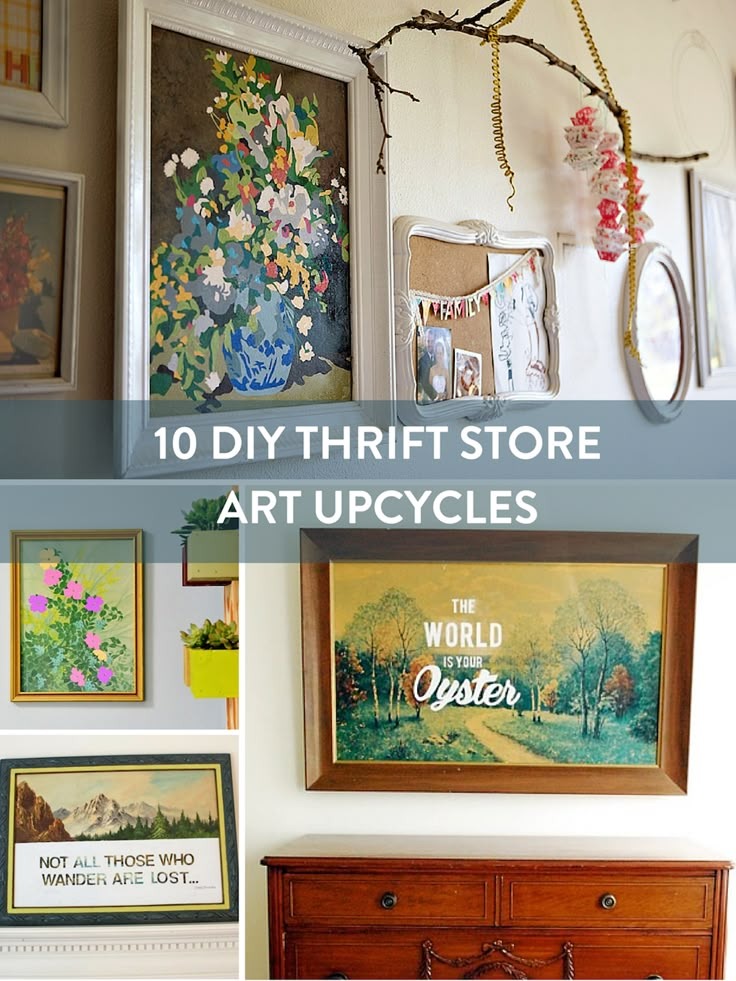
Transforming thrift store treasures into stylish home decor is more than just a budget-friendly hobby — it’s a creative approach to personalized, sustainable design. Upcycling secondhand pieces allows you to craft unique accents that reflect your taste while reducing waste and maximizing value. Whether you’re a seasoned DIYer or just getting started, this guide breaks down practical techniques and inspiring examples to help you see potential in every overlooked item.
Why Upscaling Thrift Store Finds Matters
Thrifting for home decor combines sustainability, cost-effectiveness, and creative expression. Pre-owned furniture and accessories often carry character that mass-market products lack. Giving these items fresh life through DIY not only cuts down waste but also adds one-of-a-kind touches to your interiors.
Here are some reasons to embrace thrift store DIY decor:
- Budget-friendly design: You can decorate an entire space for a fraction of retail cost.
- Eco-friendly: Upcycling cuts down on landfill waste and consumption.
- Unique style: Vintage and thrifted pieces bring personality to your home that can’t be replicated.
Getting Started: What to Look For at Thrift Stores
Success starts before your project begins — at the thrift store itself. Developing a keen eye will help you scout pieces with the best potential.
Quality Over Condition
Inspect items for structural integrity. Minor flaws — like scratched wood or outdated finishes — are often easy to fix. But deep cracks or structural weaknesses can complicate a project unnecessarily.
Consider Shape and Texture
Unusual shapes — like old picture frames, wicker baskets, or vintage jugs — can become focal points with minimal work. Look past dated colors and patterns; the underlying form might be perfect for repurposing.
Upcycling Projects: Ideas and Examples
Here’s how everyday thrift finds can become beautiful decor with simple DIY steps.
Furniture Makeovers
Coffee Tables and Benches: An old side table can be sanded, stained, and fitted with new hardware to create a custom piece that matches your decor theme. Upholstery projects can renew seating surfaces, while mismatched legs can be unified with paint for a curated look.
Shelving Units: Old bookshelves or cabinets can be refreshed with paint and wallpaper liners to create display units, plant stands, or even media consoles. Items that seem dated often reveal great bones once cleaned and reimagined.
Decorative Accents
Planters & Vases: Vintage vases and jugs make excellent planters. Add paint, distressing, or metallic accents to tie them into your space’s color palette.
Framed Artwork: Use thrifted frames to house your own prints or fabric swatches. A gallery wall created from secondhand frames gives a curated, eclectic vibe while staying affordable.
Textiles & Pillows: Repurpose old fabrics or scarves into cushion covers for a pop of texture and pattern. Simple sewing skills go a long way here.
Step-by-Step: A Simple Upcycle Project
Here’s a clear, beginner-friendly project to illustrate the process:
Transforming a Thrifted Lamp
- Clean and Assess: Dust off the lamp and check electrical components; replace wiring if needed.
- Paint the Base: Use chalk paint or spray paint for a smooth, updated finish.
- Update the Shade: Replace fabric or wrap the shade in a new material like linen.
- Detailing: Add trim, decorative rings, or decals for a custom look.
This simple refresh can turn a dated lamp into a stylish statement piece.
Tools and Materials to Have on Hand
A few essentials make most upcycling projects easier:
- Sandpaper and sanding blocks
- Paint (chalk paint, spray paint, or craft paint)
- Brushes, rollers, and painter’s tape
- Basic tools (screwdrivers, hammer, staple gun)
- Protective gear (gloves, mask)
Quality supplies help ensure your finished piece looks intentional and lasts.
Styling Your Upcycled Decor
Once pieces are complete, thoughtful styling brings them together into a cohesive space:
- Mix eras and textures: Pair vintage accents with modern elements to create depth.
- Group in odd numbers: Displaying items in groups of three or five often feels balanced to the eye.
- Anchor with neutrals: Bold or quirky thrifted items look best when grounded by neutral colors in the surrounding decor.
Integrating upcycled pieces thoughtfully ensures they enhance — rather than overwhelm — your space.
Conclusion
Upscaling thrift store finds for home decor is a rewarding blend of creativity, sustainability, and personal expression. With awareness, basic tools, and a bit of imagination, secondhand treasures can become standout components in stylish, meaningful interiors. Every project — from a refreshed lamp to a repainted dresser — enhances your space and reflects your unique aesthetic. Embrace the possibilities — and let your home tell its story through thoughtfully upcycled decor.
