

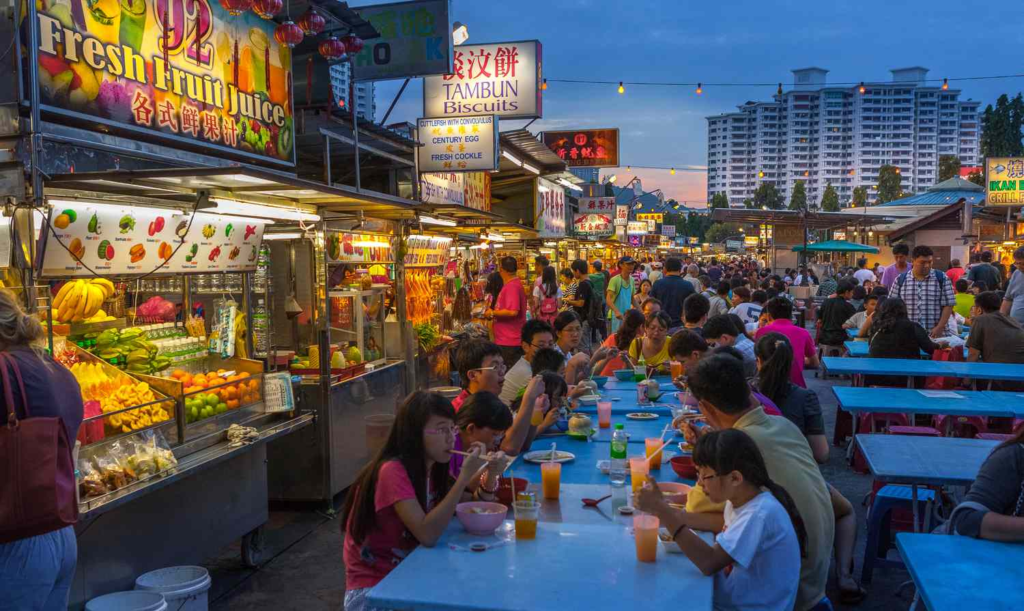
Asia’s streets are global classrooms for flavor. From smoky grills to spice-bright soups, street food delivers authentic local taste, low prices, and a front-row seat to food culture. Below is a concise, experience-based guide to the most unmissable street-food cities, how to approach them, what to try, and practical tips to eat safely and respectfully.
Why these cities matter
Street food doesn’t only feed— it preserves recipes, supports small vendors, and creates the social fabric of neighborhoods. Several Asian cities have been recognized internationally for preserving these traditions; Singapore’s hawker culture, for example, has received UNESCO attention for its role in community dining.
Top street-food cities (quick picks)
Bangkok — The capital of quick, bold flavors
Bangkok’s sidewalks and night markets serve everything from pad thai and boat-noodle soups to grilled seafood and mango sticky rice. Walk the lanes of Yaowarat (Chinatown) or the dozens of lively night markets; ordering classics from busy stalls is a reliable signal of quality. For an immersive experience, try dishes standing at a vendor’s counter — food is meant to be eaten hot and fast.
Taipei — Night-market heaven
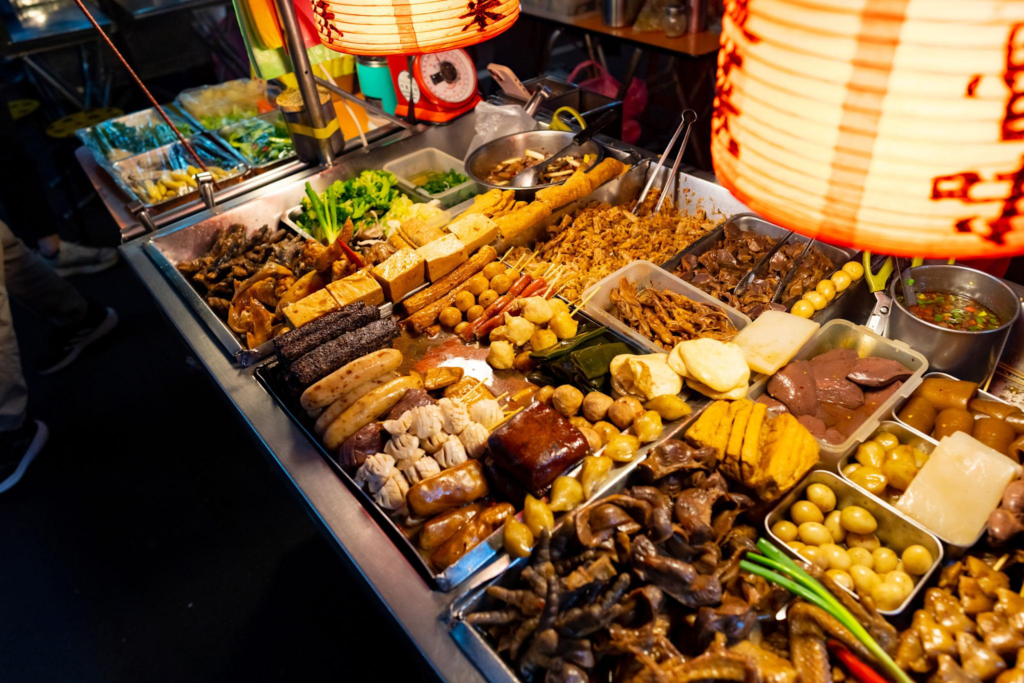
Taipei’s night markets are curated playgrounds of snacks: bubble tea, stinky tofu, oyster omelettes, and pepper buns. Shilin and Raohe markets are tourist-friendly yet authentic. Tip: Buy a few small items from different stalls to sample widely without filling up on one specialty.
George Town, Penang — The island of fusion
Penang blends Malay, Chinese, and Indian flavors into legendary street dishes like char kway teow, assam laksa, and roti canai. The city’s food scene rewards wandering—follow crowds and steam to the source.
Hanoi — Simple, balanced classics
Hanoi’s strength is its noodle soups and light, herb-driven street plates: pho, bun cha, and banh mi. Vendors often specialize in one perfected dish—seek out long lines and repeat customers for the best bets. Lonely Planet regularly highlights Hanoi among Asia’s top food cities.
Ho Chi Minh City — Energetic, affordable eats
Saigon (HCMC) offers robust street eats: broken rice (com tam), fresh spring rolls, and grilled skewers. Late evenings are prime for sampling dishes from neighborhood clusters of plastic stools and bustling carts.
Singapore — Hawker centres: organized street food
Singapore’s hawker centres centralize street food into clean, affordable food courts where chefs preserve family recipes. It’s a great place to try multi-ethnic dishes in one visit and understand why hawker culture drew UNESCO attention.
How to eat like a local (practical tips)
- Follow the queue. Locals are the best quality signal.
- Order what’s busy. High turnover equals fresh food.
- Share small plates. Sample more dishes and reduce waste.
- Watch cooking hygiene. If a vendor uses clean utensils and has visible cooking heat, the risk is lower.
- Carry cash. Many stalls are cash-only, and small denominations speed service.
- Respect local customs. In some places, eating while walking is normal; in others, sitting together at communal tables is expected.
Safety and sustainability
Pick stalls with visible cooking and hot equipment (heat kills pathogens). If you have a sensitive stomach, favor cooked over raw items and bottled water. Support vendors who use sustainable packaging when possible, and bring a reusable bag or cutlery to reduce single-use waste.
Conclusion
Asia’s street-food cities offer more than meals—they’re living museums of taste, culture, and history. Whether you’re chasing the perfect bowl of pho in Hanoi, roaming Taipei’s night markets, or sampling hawker classics in Singapore, approach each stall with curiosity and respect: the best bites often come with a conversation and a story.
