

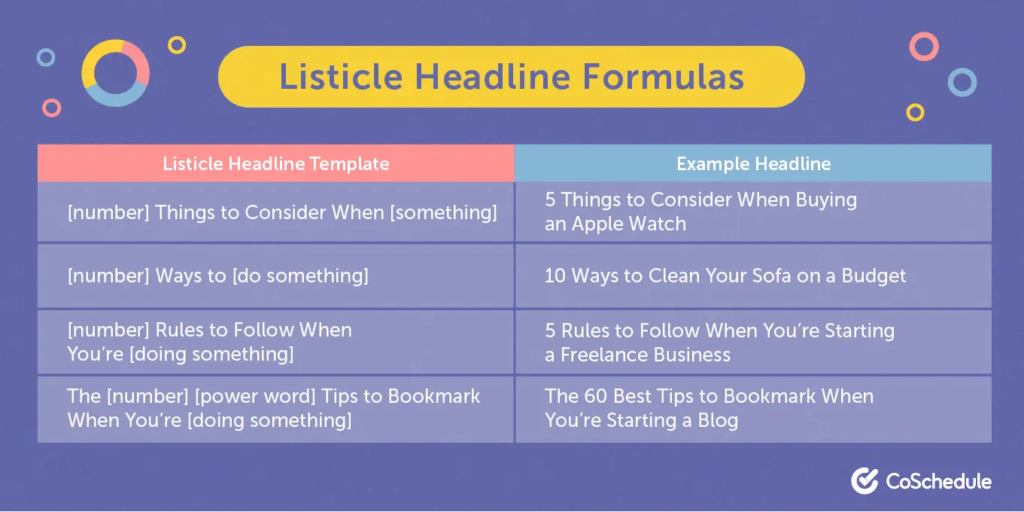
Crafting a headline that drives clicks isn’t about trickery — it’s about clarity, relevance, and psychological resonance. In a landscape saturated with content, your headline is the first and often only chance to make a reader stop scrolling. This article breaks down the art and science of effective headline writing into practical, research-backed strategies you can apply immediately.
Why Headlines Matter
Before we get into techniques, it helps to understand why headlines are so important. According to media analytics research, 8 out of 10 people read your headline, but only 2 out of 10 read the rest. That means your headline carries the weight of first impressions, audience retention, and ultimately, engagement. A great headline reduces bounce rates, improves click-through rates (CTR), and signals relevance to search engines.
For more on how headlines impact SEO and user engagement, see this guide from Moz on crafting content that ranks.
The Core Elements of Click-Worthy Headlines
Headlines that compel clicks typically balance these key elements:
Clarity Over Cleverness
People scan more than they read. Clear, direct headlines outperform vague or overly clever ones because they instantly communicate value. For example:
- Weak: Unlocking the Power of Productivity
- Strong: 10 Productivity Hacks You Can Use Today
The second headline tells the reader exactly what they’ll get and why it matters.
Relevance Meets Specificity
Effective headlines promise a specific benefit to a defined audience. The more tailored your message, the more relevant it feels.
Example:
- Generic: How to Improve Your Writing Skills
- Specific: How to Improve Academic Writing in 30 Days (With Examples)
Specificity signals expertise and helps target the right readers.
Emotional Triggers That Work
Emotionally charged words — like surprising, proven, essential, and secrets — can boost engagement because they tap into curiosity and urgency. However, emotional language should be accurate and supported by content, not sensational or misleading.
Proven Headline Formulas
Reliable patterns have emerged from content performance data. Use these as starting points:
The “List” Headline
People love lists because they promise structure and digestible takeaways.
- 7 Research-Backed Tips for Better Sleep
- 12 Tools Every Small Business Should Use
The “How To” Headline
Instructional headlines appeal to readers looking for guidance.
- How to Build an Email List From Scratch
- How to Bake Perfect Sourdough at Home
The “Question” Headline
Questions spark curiosity and make readers pause to find answers.
- Are You Making These Common SEO Mistakes?
- What’s the Best Way to Stay Productive Working from Home?
The “Reason Why” Headline
Headlines that explain why something matters encourage readers to seek explanation:
- 5 Reasons Your Website Isn’t Ranking
Why Most Diets Fail in the First Week
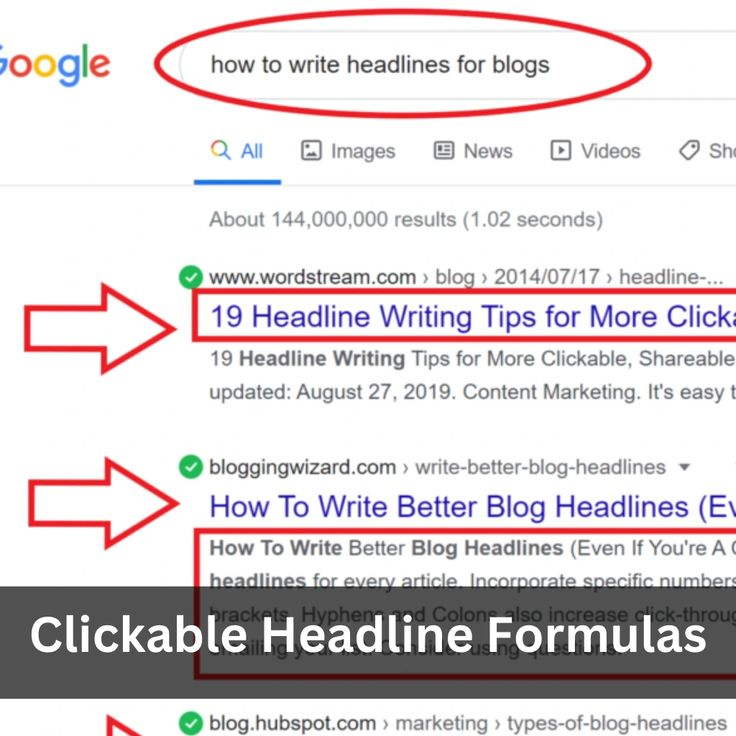
Psychological Principles That Drive Clicks
Understanding how readers think helps you tailor headlines that feel irresistible without being manipulative.
Curiosity Gap
The “curiosity gap” is the space between what people know and what they want to know. Effective headlines reveal just enough to intrigue, without giving everything away.
Example:
- This Simple Habit Can Double Your Productivity
The reader wants to know: What habit? How does it work?
Social Proof
Indicating popularity can heighten interest:
- What 1 Million Readers Learned About Time Management
- The Most Shared Marketing Strategies of 2025
Urgency and Scarcity
Telling readers they might miss out can increase clicks — but only when it’s genuine.
- Limited Time: Free Access to Our SEO Guide
- Last Chance to Apply: Content Marketing Workshop
A/B Testing Your Headlines
Even experienced writers can’t predict what will perform best without testing. A/B testing allows you to compare variations and learn what resonates with your specific audience.
How to Test
- Create Variations: Write 3–5 headline options.
- Split Your Audience: Show different versions to similar audience segments.
- Measure Metrics: Focus on CTR, bounce rate, and time on page.
- Iterate: Use data to refine future headlines.
Tools like Optimizely and Google Optimize can help you run controlled experiments and identify top performers.
Headlines and SEO: Balancing Optimization With Engagement
Headlines should serve both readers and search engines. To align with SEO best practices:
- Place your primary keyword near the beginning.
- Keep titles within 50–60 characters to avoid truncation in search results.
- Use language that reflects what your audience is actually searching for, based on keyword research.
For a deeper dive into SEO best practices for titles and headlines, review this resource from Search Engine Journal on headline optimization.
Real-World Examples That Work
Here are examples of strong headlines across different niches:
- The Only Guide to Remote Work You’ll Ever Need (definitive benefit)
- 10 Budget Travel Tips for Europe in 2026 (specific audience + date)
- How I Grew My Blog to 100,000 Readers in One Year (personal success story + key result)
- The Ultimate Checklist for Launching a Podcast (actionable resource)
Each of these headlines is clear, benefit-oriented, and tailored to a defined audience.
Common Headline Mistakes to Avoid
Even experienced writers fall into traps that reduce effectiveness:
- Being too vague: Avoid generic headlines that lack a clear hook.
- Stuffing keywords: Over-optimization can make headlines awkward and off-putting.
- Overpromising: Headlines should reflect the substance of the content — misleading titles erode trust.
Conclusion: Mastery Through Practice
Writing clickable headlines is both a craft and a science. It requires empathy for your reader, an understanding of psychological triggers, and ongoing testing. By focusing on clarity, relevance, emotional resonance, and SEO best practices, you’ll consistently craft headlines that capture attention and deliver on their promise.
