

Constructive criticism is an inevitable part of personal and professional development. Whether it comes from a manager, colleague, teacher, or friend, feedback is meant to help you grow. Yet, for many people, hearing criticism triggers defensiveness, anxiety, or self-doubt. The good news is that handling constructive criticism with composure is a skill that can be learned and refined.
This article explores clear, experience-based strategies to receive and respond to feedback thoughtfully. You’ll learn how to separate emotion from information, leverage feedback for growth, and strengthen relationships in the process.
What Is Constructive Criticism?
Constructive criticism is feedback intended to improve performance, behavior, or outcomes. Unlike destructive or personal attacks, constructive criticism:
- Focuses on specific actions or results, not personal traits
- Suggests alternatives or improvements
- Is grounded in observable facts or experience
Understanding this difference helps you approach feedback as a tool — not a threat.
For more clarity on how effective feedback differs from harmful criticism, see this guide from MindTools on giving and receiving feedback.
Why We Get Defensive
Before you can change your response, it helps to understand what triggers it. Defensiveness is often rooted in basic human instincts:
- Threat to self-esteem: Criticism can feel like a personal attack.
- Fear of judgment: Worry that criticism reflects on your character, not your work.
- Uncertainty: Not knowing how to respond or improve.
- Past experiences: Old negative feedback experiences can shape current reactions.
Recognizing these triggers helps you choose how to respond rather than react automatically.
A Calm and Open Mindset
Recognize Your Emotional Response
The first step in handling feedback is noticing your emotional reaction:
- Are you tense, frustrated, or dismissive?
- Do you interrupt or make excuses?
Simply being aware that your body or mind is on alert gives you room to reset your response.Practical Tip:
Take a slow breath before responding. This small pause interrupts the instinctive defensive loop.
Listen Actively and Intentionally
Active listening is a core skill for handling criticism well.
What Active Listening Looks Like
- Focus on the speaker — make eye contact, avoid fidgeting
- Don’t interrupt
- Paraphrase feedback to ensure understanding
- Ask clarifying questions, e.g., “Can you give an example of when this happened?”
Example:
“So what I hear you saying is I need to improve the clarity of my reports. Is that correct?”
This shows respect and allows you to refine what was actually meant.
Separate Facts From Interpretation
Feedback often contains a mix of objective information and subjective perception. Learning to distinguish between the two helps you respond constructively.
Objective vs Subjective
Objective: “The report missed two key metrics we agreed on.”
Subjective: “Your report wasn’t good.”
Focus on the observable facts — the measurable parts — and let go of interpretations or tone.
Ask Constructive Follow-Up Questions
When you’re unsure what the feedback means or how to act on it, ask for specifics.
Examples:
- “Can you point out where you think I could be clearer?”
- “What outcome were you hoping to see?”
- “How would you approach this differently?”
These questions signal that you’re taking responsibility and are committed to improvement, not just defending your position.
Avoid Immediate Justifications
A common way people defend themselves is to explain why they did something a certain way.
While context can be helpful, launching into explanations right away:
- Shifts the focus from feedback to defense
- Can make the other person feel unheard
- Diminishes your ability to take in new information
Instead, seek first to understand, then explain if needed — and only when it clarifies, not excuses.
Respond With Empathy and Understanding
Even if the feedback feels harsh or unfair, responding with empathy changes the dynamic.
Try:
- “I appreciate you taking the time to share this.”
- “That helps me see what I can work on.”
This doesn’t mean you agree with everything — but it shows you’re open and willing to learn.
Reflect and Plan for Improvement
After the conversation, take time to reflect:
- What part of the feedback was most actionable?
- What steps can you take to improve?
- What resources or support might you need?
Write down a simple plan with concrete actions and timelines. Turning feedback into actions makes it productive instead of personal.
Follow-Up and Accountability
Good feedback loops don’t end at the initial conversation.
Ways to Follow Up
- Share your progress with the person who gave feedback
- Ask for another check-in after implementing changes
- Request additional resources or training if needed
This reinforces your commitment to growth and strengthens professional trust.
When Feedback Is Unclear or Unhelpful
Sometimes feedback lacks clarity or relevance. In such cases:
- Ask for examples
- Request clarification on expectations
- Seek a second opinion from another trusted mentor or colleague
Remember, not all feedback is delivered skillfully — but that doesn’t mean improvement isn’t possible.
Real-World Example
Scenario: A team lead tells a project manager that their weekly updates are hard to follow.
Defensive Reaction: “I’ve always done it this way, and it works fine. You just don’t like the format.”
Constructive Response:
- Listen without interruption
- Paraphrase: “So you find the updates unclear and would like a more concise format?”
- Ask: “What specific parts were confusing?”
- Agree on action: “I’ll revise the format for next week’s update and share it for your feedback.”
This approach turns a potentially tense conversation into a collaborative improvement process.
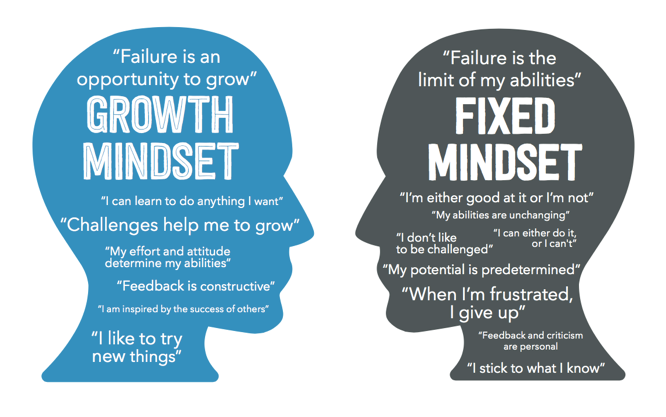
The Power of a Growth Mindset
Approaching criticism with a growth mindset — the belief that skills and behaviors can improve with effort — transforms how you see feedback.
Instead of thinking:
“This means I’m not good enough.”
A growth mindset reframes it as:
“This tells me what I can work on next.”
For foundational insights into growth mindset and learning from feedback, see Carol Dweck’s research on mindset and personal development:
Conclusion
Handling constructive criticism without becoming defensive is not about suppressing emotion — it’s about choosing intention over instinct. By listening actively, separating facts from feelings, asking thoughtful questions, and responding with openness, you can turn feedback into a powerful engine for growth.
Each instance of criticism becomes an opportunity to learn, to improve, and to build stronger relationships. With practice, the experience of receiving feedback shifts from uncomfortable to empowering.
