

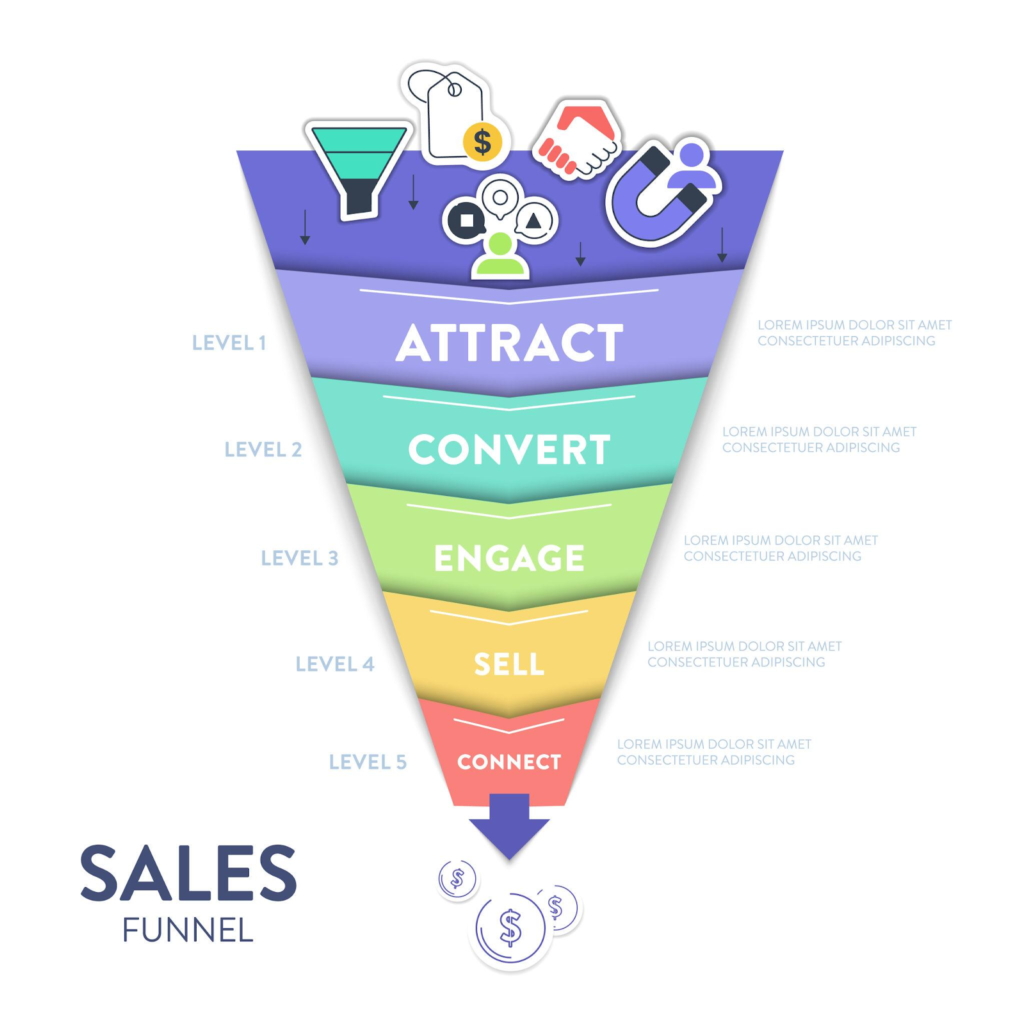
Affiliate marketing continues to be one of the most accessible and scalable ways to earn income online. Whether you’re a complete beginner or transitioning from another side hustle, this guide breaks down how affiliate marketing works, practical steps to start, and proven strategies to help you earn your first $1000—all explained clearly and backed by industry best practices.
What Is Affiliate Marketing?
At its core, affiliate marketing is a performance-based partnership. You promote someone else’s product or service, and when your audience purchases through your unique affiliate link, you earn a commission.
Think of it like referring a friend: if they buy something based on your recommendation, you get paid. In the online world, this referral tracking is managed through affiliate networks and tracking software.
Key Players in the Affiliate Ecosystem
- Merchant – The company or creator selling the product.
- Affiliate – You, the promoter.
- Audience – The people who see your content and click your links.
- Affiliate Network – The platform that tracks clicks, conversions, and pays you (e.g., ShareASale, Amazon Associates).
Why Affiliate Marketing Works
Affiliate marketing benefits everyone involved:
- Merchants get a broader reach without upfront marketing costs.
- Affiliates can earn passive income by recommending products they believe in.
- Customers receive curated suggestions from trusted sources rather than generic ads.
This win-win structure has made affiliate marketing a foundational strategy in digital business.
Choosing Your Niche: The Foundation of Your Success
Your niche determines what products you promote and to whom. A niche is a specific slice of a broader market—like vegan fitness instead of just fitness.
How to Pick a Profitable Niche
- Interest and Expertise
Choose something you know or are willing to learn deeply about. Passion helps sustain long-term content creation. - Audience Demand
Tools like Google Trends and keyword research can reveal what people search for. Niche topics with consistent demand tend to convert better. - Monetization Potential
Some niches naturally have higher commission opportunities (e.g., software, online courses, high-end products) compared to low-cost items.
Joining Affiliate Programs
Once you have a niche, the next step is to join affiliate programs that fit it.
Where to Find Affiliate Programs
- Affiliate Networks – ShareASale, CJ Affiliate, Impact
- Company-Specific Programs – Shopify, Bluehost, Amazon Associates
For beginner-friendly guidance on choosing affiliate programs, HubSpot’s article on affiliate marketing provides an excellent overview with examples and advice on program selection:
Affiliate Marketing Defined + How It Works
Evaluating Programs
Ask these questions before joining:
- Is the commission rate fair?
Digital products often pay 20–50%+; physical products usually pay less. - Is there a recurring commission?
Software subscriptions that pay monthly can build long-term income. - Does the product solve a real problem?
Relevance increases conversion.
Creating Content That Converts
Content is the engine of your affiliate efforts. Your goal is to educate, solve problems, and build trust.
Types of Affiliate Content
Blog Posts
Long-form articles like tutorials, comparisons, and reviews help capture search traffic. Example formats:
- “Best X Tools for Y”
- “Product A vs. Product B”
- “How to Do Z Step-by-Step”
Blog content is powerful because it continues to drive traffic and income over time.
Video Content
Platforms like YouTube are ideal for product demonstrations, unboxings, and tutorials. Visual proof builds credibility and connection.
Email Newsletters
Email lets you nurture an audience and recommend products directly, increasing conversion potential. If you capture email leads, you own your audience—unlike social platforms, where algorithms control visibility.
SEO and Search Traffic
Search engines are one of the most reliable long-term sources of traffic. The Google Search Central documentation is essential for understanding how Google evaluates and ranks content, including advice on quality, relevance, and user experience.
Focus on:
- Keyword research — Identify common search questions in your niche.
- On-page SEO — Use descriptive headings, quality writing, and internal links.
- User experience — Fast loading, readable layout, and clear calls-to-action.
Driving Traffic: From Zero to First $1000
Traffic determines your earning potential. More visits = more clicks = more sales.
Free Traffic Strategies
- SEO-optimized blog content
- YouTube videos
- Social media posts
- Pinterest pins
These methods take time but compound well.
Paid Traffic (Optional)
If you have a budget, paid ads on Facebook, Google, or TikTok can accelerate results. Always track performance and ROI carefully—paid promotion works best when your sales funnel is already optimized.
Tracking and Optimization
Money doesn’t come from traffic alone—it comes from conversion. Use analytics tools to understand what works:
- Click-through rates (CTR)
Are people clicking your links? - Conversion rate
Are clicks turning into sales?
Test different headlines, calls-to-action, and content formats. Small improvements can significantly lift earnings.
Real-World Example
Imagine you start a blog about home workout routines.
- You write a “Best Adjustable Dumbbells for Home Workouts” review.
- You include affiliate links to products from an affiliate network.
- You optimize the article for SEO and share it on social media.
- Over time, people find your article and buy through your links.
- With consistent content and traffic growth, your monthly commissions hit $1000.
Affiliate income is rarely instant—results build as your content library and audience grow.
Conclusion: Your First $1000 Is Within Reach
Affiliate marketing is not a “get rich quick” scheme, but it is a proven way to make money online with a low barrier to entry. By choosing the right niche, creating helpful content, driving traffic, and optimizing for conversions, you can earn your first $1000 and beyond.
Your success in affiliate marketing hinges on consistent effort, quality content, and ethical recommendations. Start with a clear plan, track your results, and refine your strategy as you learn more about what resonates with your audience.
