

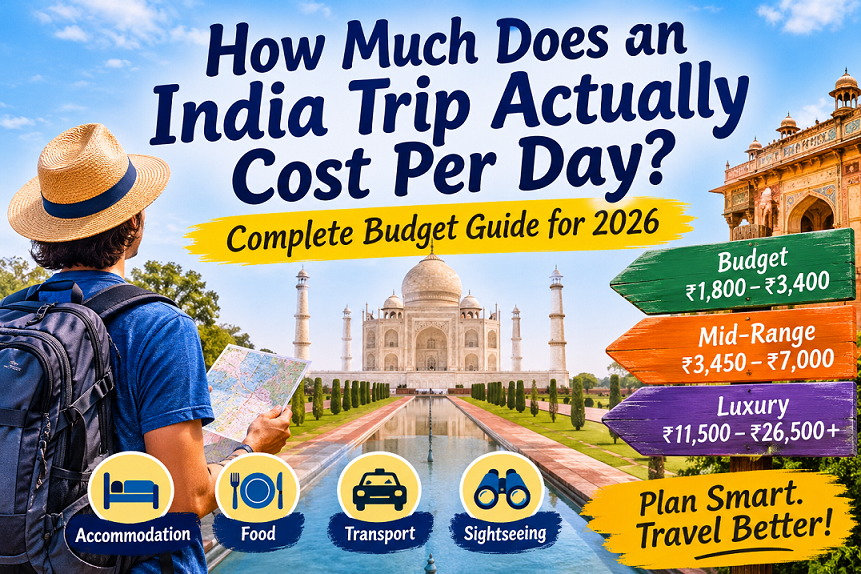
Planning a trip to India can be an exciting experience, but one question usually comes before booking flights, choosing hotels, or preparing an itinerary: How much does an India trip actually cost per day? India is a country where you can enjoy a delicious local meal for a few hundred rupees, travel between cities by affordable train, stay in comfortable hotels, or spend thousands of rupees enjoying luxury resorts and private experiences. The difference between a budget holiday and a luxury vacation can be enormous, which makes understanding your daily expenses essential.
For 2026, a practical estimate for traveling around India is approximately ₹1,800–₹3,400 per person per day for budget travel, ₹3,450–₹7,000 for mid-range travel, and ₹11,500–₹26,500 or more for luxury travel. These estimates generally cover accommodation, meals, local transportation, and sightseeing, but exclude international flights and major one-off expenses. Actual spending depends on your destination, travel season, accommodation preferences, transportation choices, and the experiences you want to enjoy.
Whether you are a backpacker exploring Rajasthan, a couple planning a romantic holiday in Kerala, a family visiting Goa, or an international traveler discovering India’s famous landmarks, this guide will help you understand where your money goes. Let’s break down the real costs so you can plan a memorable Indian holiday without unpleasant financial surprises.
1. Understanding the Average Daily Cost of Traveling in India
India is not a destination where one fixed daily budget works for everyone. Its enormous geographical size, different regional economies, and variety of travel experiences make expenses highly flexible. A traveler exploring small towns in West Bengal, Odisha, or Madhya Pradesh might spend considerably less than someone staying in premium hotels in Mumbai, Delhi, or Goa. Even within one city, the difference between eating at a local restaurant and choosing a high-end dining establishment can change your daily spending significantly. This flexibility is one of the biggest advantages of visiting India because you can adjust your travel experience according to your available budget.
Based on travel-cost estimates and reported traveler spending available in November 2026, a mid-range traveler can use approximately ₹3,500–₹7,000 per day as a starting planning budget. Budget-conscious travelers may manage with ₹1,800–₹3,400, while people looking for luxury accommodation, premium restaurants, private transportation, and exclusive activities should prepare for considerably higher expenses. Budget Your Trip reports an average expenditure of approximately ₹3,852 per person per day based on traveler-reported expenses, including accommodation, meals, transportation, and sightseeing. This provides a useful reference point, although individual trips can differ considerably.
The important thing is to understand what your daily budget includes. Some travelers calculate only meals, hotel rooms, and local transportation, forgetting that monument tickets, guided tours, shopping, and intercity journeys can increase the overall cost. Others include long-distance transportation in their daily average, making their estimated expenses appear higher. For accurate planning, separate everyday spending from major travel expenses such as flights, long-distance train tickets, travel insurance, and visa fees. This simple approach gives you a much clearer picture of how much money you actually need.
2. India Travel Budget at a Glance
Before looking at individual expenses, let’s examine three common travel styles. The following figures are approximate 2026 planning estimates per person and represent ordinary travel days rather than expensive transfer days involving flights or private vehicles.
| Expense category | Budget | Mid-range | Luxury |
|---|---|---|---|
| Accommodation | ₹800–₹1,500 | ₹1,250–₹2,500 | ₹5,000–₹12,500 |
| Food | ₹500–₹800 | ₹1,200–₹2,000 | ₹3,000–₹6,000 |
| Local transportation | ₹300–₹600 | ₹500–₹1,000 | ₹1,500–₹3,000 |
| Activities and sightseeing | ₹200–₹500 | ₹500–₹1,500 | ₹2,000–₹5,000 |
| Total per day | ₹1,800–₹3,400 | ₹3,450–₹7,000 | ₹11,500–₹26,500 |
These figures make one thing clear: India offers considerable flexibility. A backpacker can save money by staying in hostels, eating local meals, and using public transportation. A mid-range traveler can enjoy private hotel rooms, restaurant meals, and convenient local transportation without spending excessively. Luxury travelers can choose heritage properties, five-star hotels, private drivers, fine dining, and personalized sightseeing experiences.
Remember that accommodation estimates for mid-range and luxury travel often assume two people sharing a room. If you travel alone and want a private room, your per-person accommodation expense may be higher. Couples and families can often reduce their individual costs by sharing accommodation and transportation.
3. Accommodation Costs in India
Accommodation is usually one of the biggest components of an India travel budget. Fortunately, the country offers everything from inexpensive hostel dormitories to beautifully restored heritage hotels and luxury resorts. Your choice of accommodation will influence not only your spending but also the overall experience of your holiday. For example, staying in a simple guesthouse near a railway station may save money, while booking a resort overlooking the mountains or ocean provides additional comfort and memorable surroundings. The right option depends on how much time you plan to spend inside your hotel and what kind of travel experience matters most to you.
Budget Hostels and Guesthouses
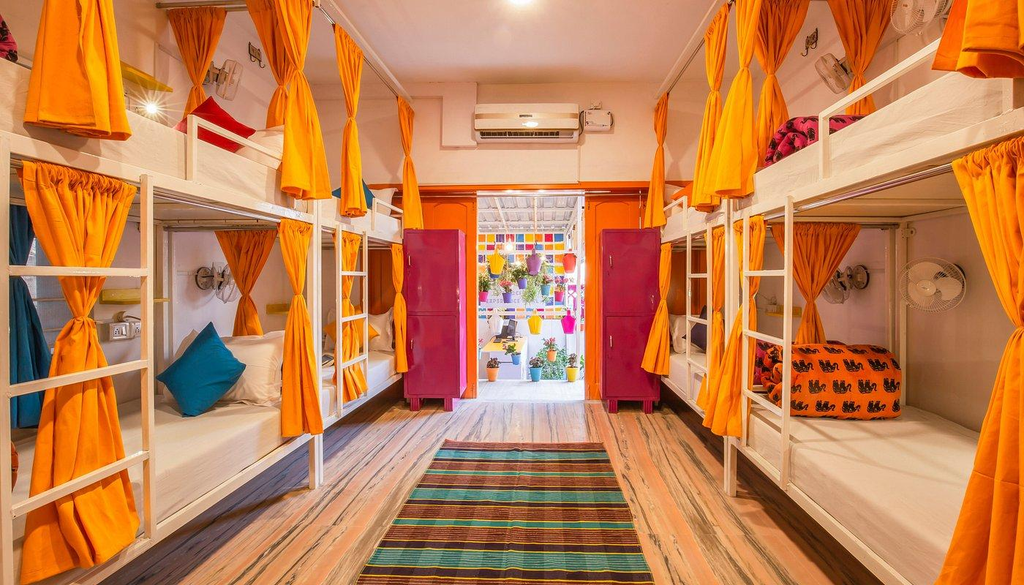
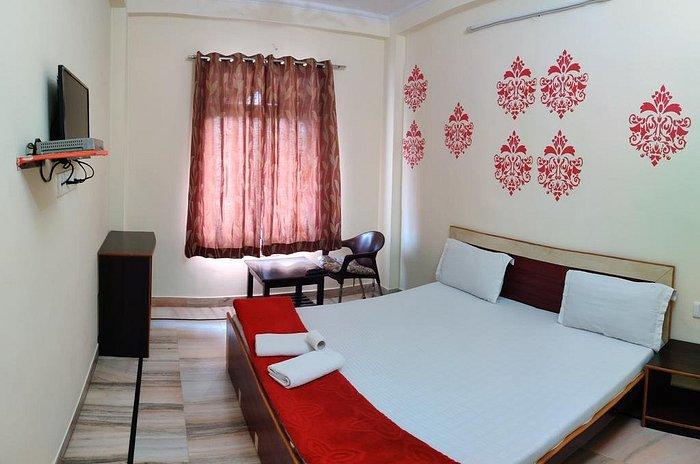

Budget accommodation is particularly attractive for solo travelers, backpackers, and students. Hostels in popular destinations such as Jaipur, Rishikesh, Varanasi, and Goa provide dormitory beds at relatively affordable prices. Depending on the location, facilities, and season, you may find hostel beds costing approximately ₹400–₹1,200 per night, while simple guesthouses and budget private rooms may range from ₹800–₹2,000. Some accommodations include breakfast, shared kitchens, Wi-Fi, and common spaces where travelers can meet other visitors. These small benefits can help reduce additional expenses during a longer journey.
However, the cheapest accommodation is not always the best value. Before booking, check recent guest reviews, cleanliness, location, safety, bathroom facilities, and cancellation conditions. A hotel located far from the main attractions might appear inexpensive but could increase your transportation expenses every day. Paying slightly more for a centrally located guesthouse can sometimes save both money and time. If you are visiting during festivals or peak tourist months, booking accommodation early is especially important because affordable rooms can disappear quickly.
Mid-Range Hotels and Luxury Resort

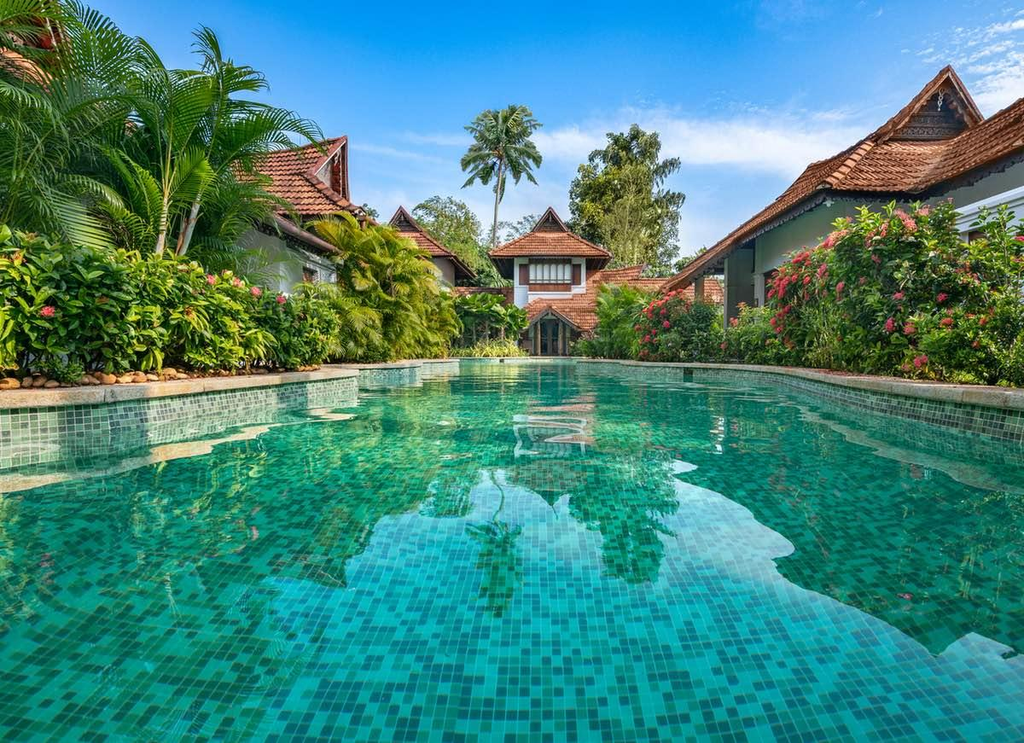
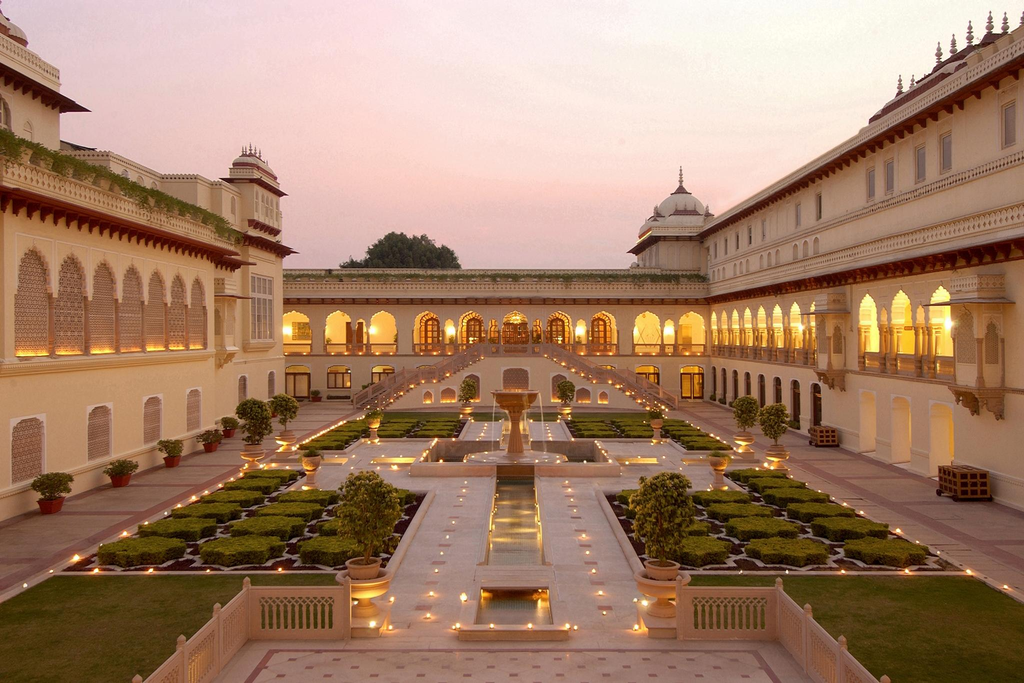
Mid-range accommodation is a popular choice for couples, families, and travelers who want comfort without paying luxury-hotel prices. A decent hotel or home stay may cost approximately ₹2,000–₹5,000 per room per night, depending on the destination and travel dates. These properties often provide air conditioning, private bathrooms, room service, Wi-Fi, breakfast options, and convenient locations. In tourist-heavy areas, prices may rise significantly during holidays and weekends. For couples sharing a room, this category can provide a good balance between affordability and comfort.
Luxury accommodation is an entirely different experience. India has palace hotels in Rajasthan, beachfront resorts in Goa, wellness retreats in Kerala, and high-end city hotels in metropolitan areas. Prices can begin around ₹5,000 per night and easily exceed ₹20,000 for premium properties, depending on the brand, location, and season. Some luxury experiences include swimming pools, spas, private dining, cultural performances, and personalized transportation. If your goal is a relaxing holiday rather than simply exploring attractions, spending more on accommodation may be worthwhile.
4. Food and Restaurant Expenses
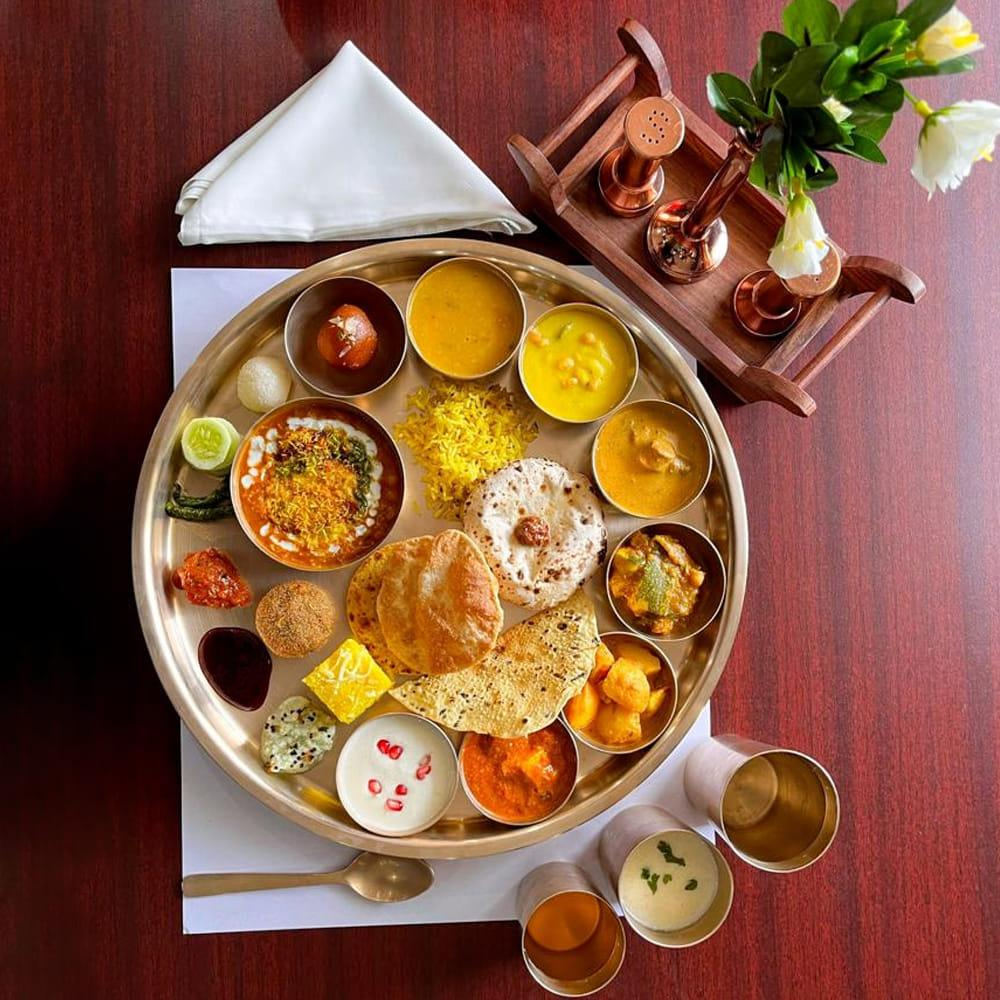
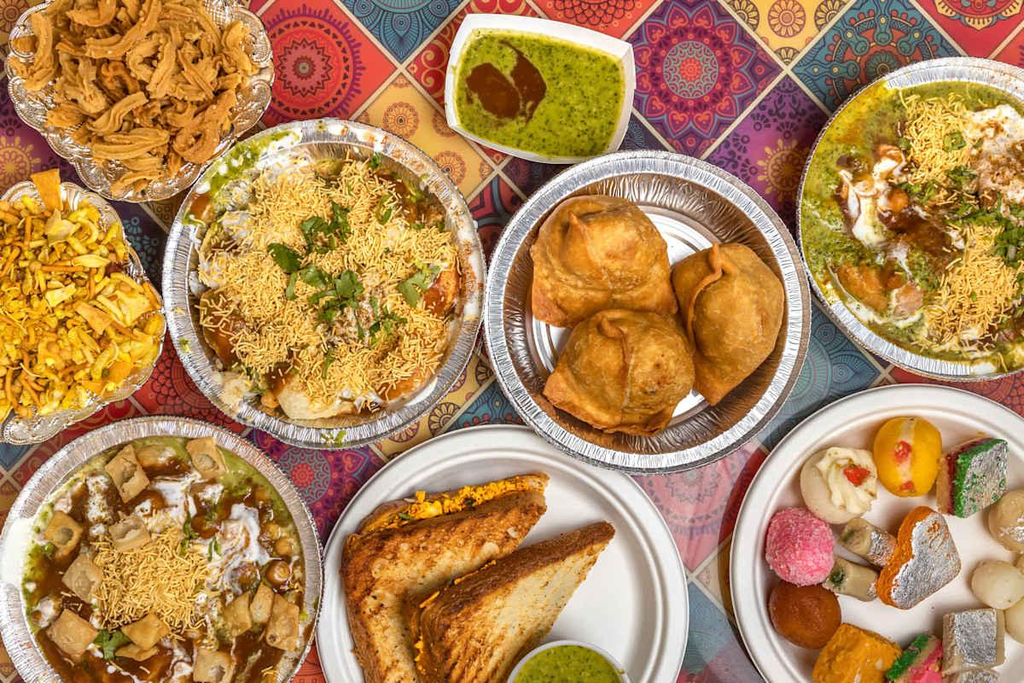

Food is one of the most enjoyable and flexible parts of traveling in India. Every region has its own culinary identity, and exploring local dishes can become a major highlight of your trip. From Bengali fish curry and South Indian dosa to Rajasthani dal baati churma and Punjabi butter chicken, there are countless opportunities to enjoy delicious meals at different price levels. Travelers who enjoy local restaurants and traditional eateries can often eat well without spending a fortune. At the same time, international restaurants, premium cafes, and hotel dining can increase your daily food budget.
For budget travelers, approximately ₹400–₹800 per day may cover simple meals, snacks, tea, and drinking water if you choose affordable local eateries. A traditional thali can provide excellent value because it usually includes several dishes, rice or bread, and other accompaniments. Mid-range travelers should consider approximately ₹1,000–₹2,000 per day for restaurant meals, cafe visits, desserts, and beverages. Luxury travelers who regularly eat at premium restaurants or hotel dining establishments may spend ₹3,000–₹6,000 or more per day. Actual prices vary depending on the city, restaurant category, and menu.
There is also a practical way to enjoy India’s food culture without overspending: combine different dining experiences. You might enjoy breakfast at a local cafe, lunch at a traditional restaurant, and dinner at a more expensive establishment. This approach provides variety without requiring a premium dining budget every day. If you are unfamiliar with local food, choose busy, well-reviewed establishments that maintain good hygiene standards. Drink properly sealed bottled water where tap-water safety is uncertain, and be careful with food that has been sitting uncovered for extended periods.
5. Transportation Costs Across India
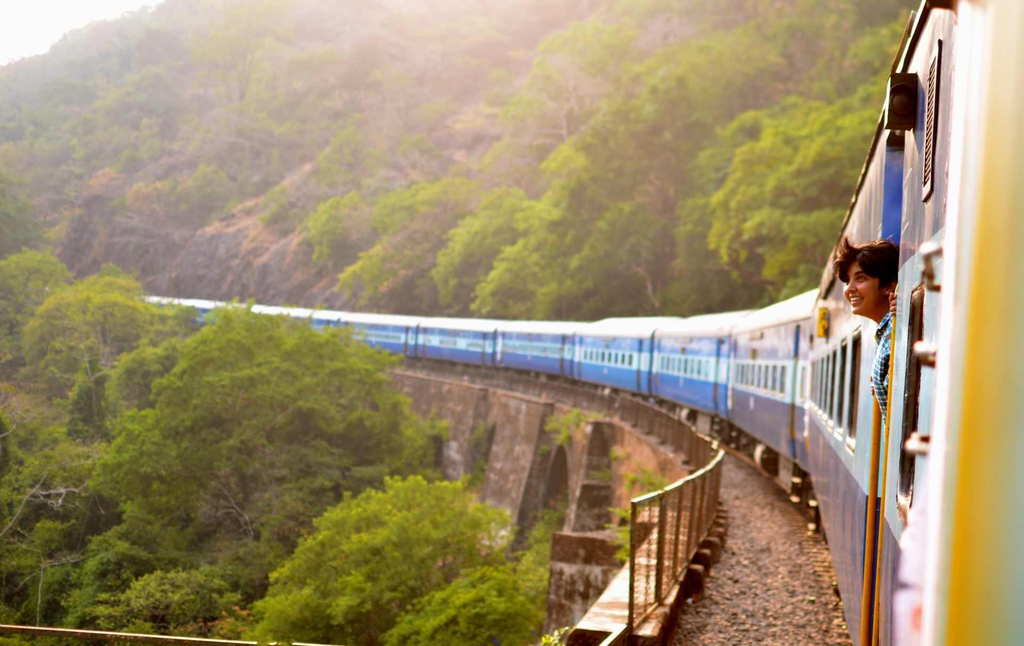
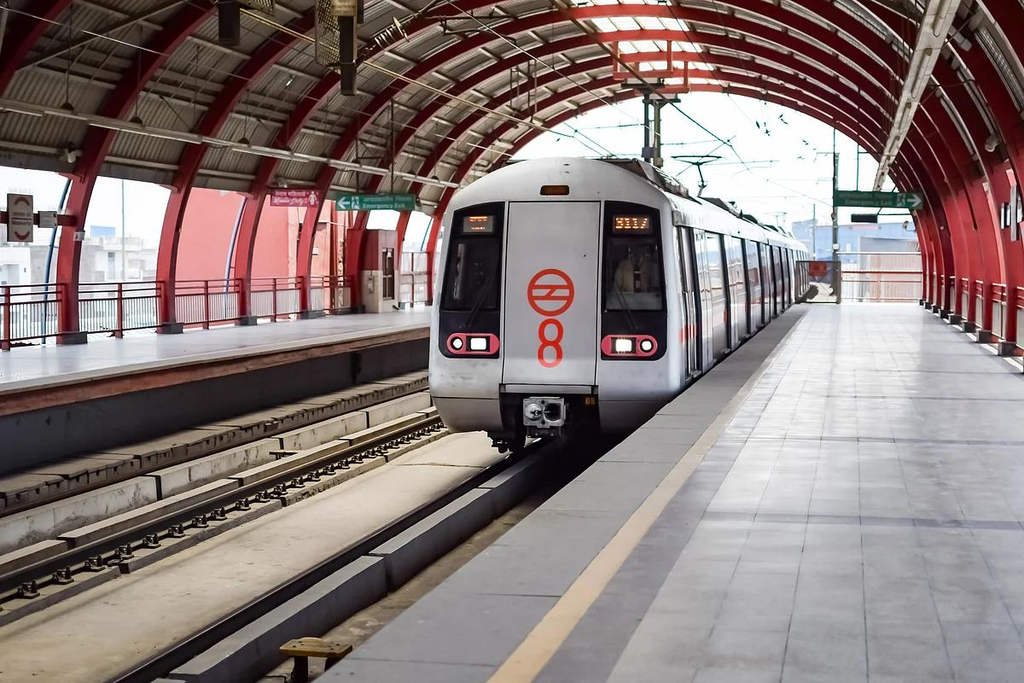
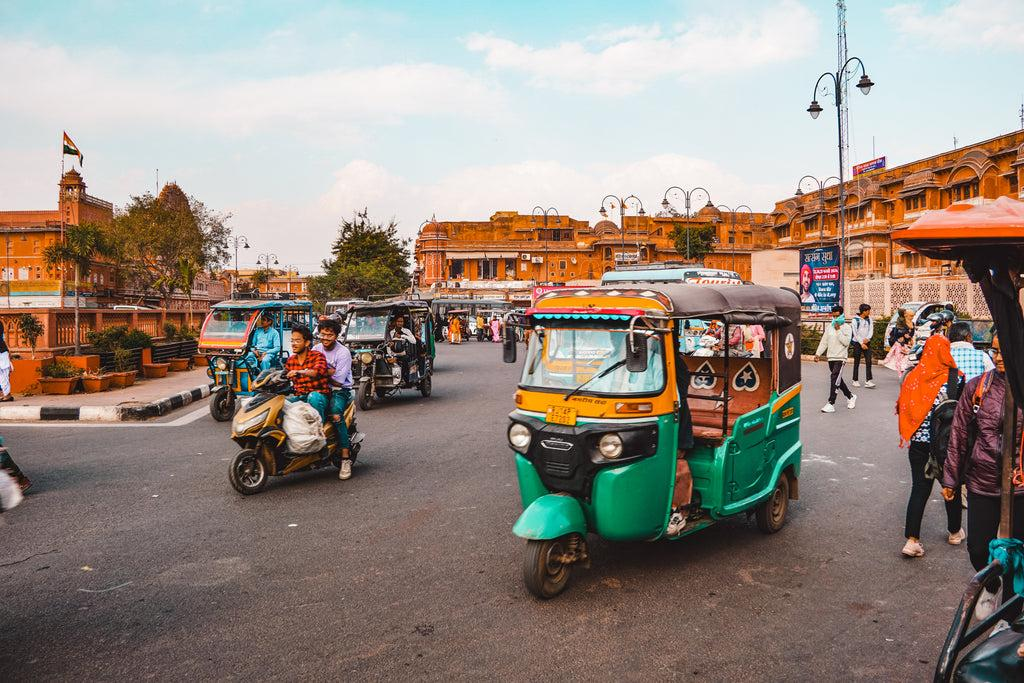
Transportation deserves special attention because India is a large country, and traveling between destinations can consume a significant part of your budget. Fortunately, there are several options, including passenger trains, buses, metro systems, taxis, auto-rickshaws, domestic flights, and rental vehicles. Choosing the right transportation method depends on your available time, comfort requirements, and distance between destinations. For instance, traveling by train between Delhi and Jaipur can be economical, while taking a domestic flight may be more convenient if you have a limited holiday.
Local transportation is generally affordable when you use public buses, metro services, and reasonably priced auto-rickshaws. A budget traveler might spend ₹150–₹600 per day, while someone regularly using app-based taxis may spend ₹500–₹1,500 or more. Private cars with drivers offer convenience for sightseeing and intercity travel, particularly for families and groups, but they can increase expenses considerably. Always confirm the fare before entering an unmetered vehicle, and use reputable transportation services whenever possible.
Long-distance transportation should be calculated separately from your daily city expenses. Sleeper-class train tickets and ordinary buses can provide affordable travel, while air-conditioned trains and domestic flights offer greater comfort at higher prices. As a broad planning estimate, intercity journeys may add ₹600–₹1,200 for budget travelers and ₹2,000–₹4,500 for mid-range travelers per journey. These amounts are indicative, not fixed fares, and popular routes may become expensive when booked close to departure. indiatourblog.com+1
6. Sightseeing, Activities, and Entrance Fees
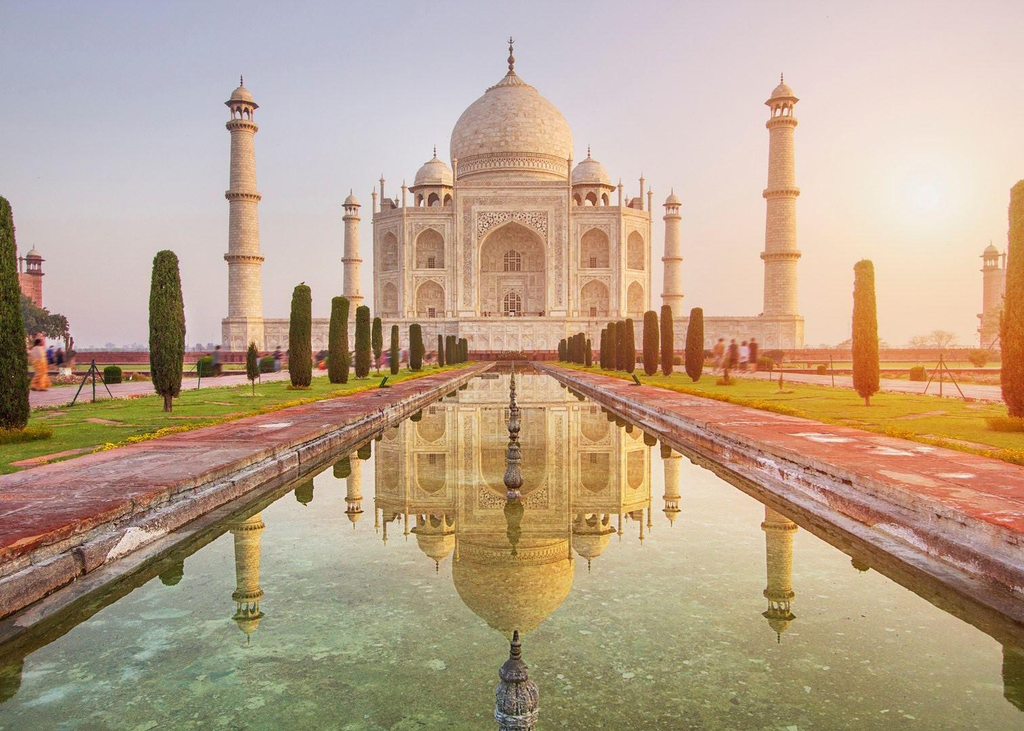
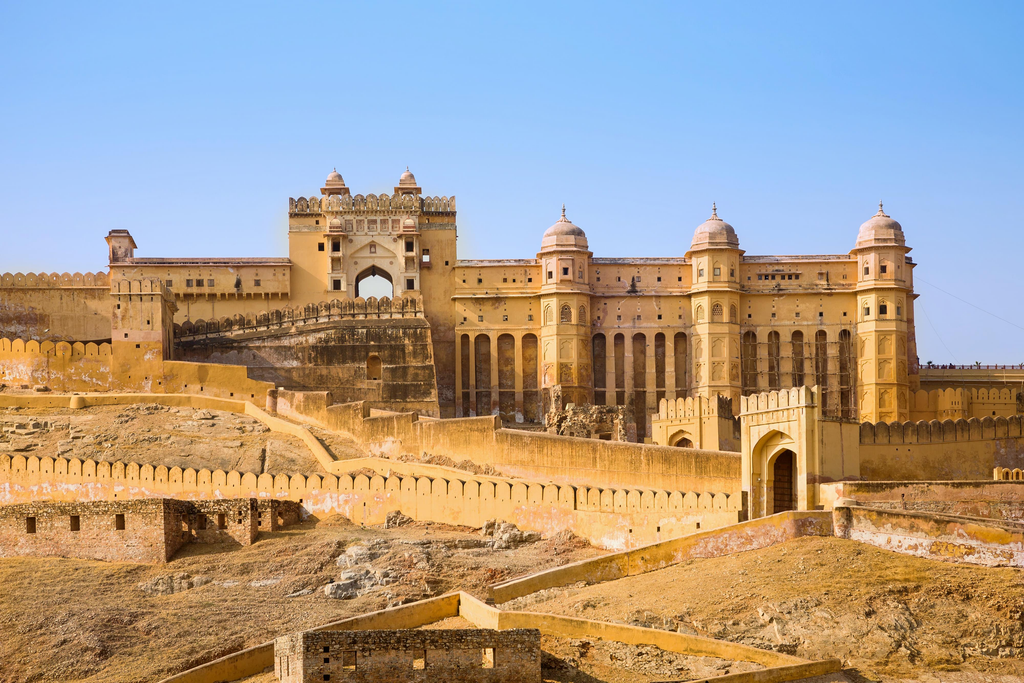
India offers an extraordinary range of sightseeing opportunities, from historic forts and UNESCO World Heritage Sites to beaches, wildlife sanctuaries, temples, museums, and adventure activities. Some attractions are free to visit, while others charge entrance fees that vary according to visitor category and location. Exploring local markets, walking through historic neighborhoods, visiting public beaches, and enjoying scenic viewpoints can provide memorable experiences without requiring a large budget. However, if your itinerary includes several famous monuments and guided tours, sightseeing expenses can become a substantial part of your overall spending.
For budget travelers, setting aside ₹200–₹500 per day may be sufficient for occasional entrance fees and low-cost activities. Mid-range travelers can consider ₹500–₹1,500 per day, especially if they plan to visit multiple attractions or hire local guides. Luxury travelers may spend ₹2,000–₹5,000 or more through private tours, premium activities, and exclusive experiences. Some attractions also charge different entrance prices for Indian citizens and foreign visitors, so check the official ticketing information before planning your visit.
For example, visiting the Taj Mahal is an important experience for many international visitors. However, your sightseeing budget should not stop at the monument’s entrance fee. You may also need to consider transportation, parking, photography rules, guides, and nearby attractions. Planning sightseeing expenses in advance helps prevent the common mistake of spending too much on the first few days and having very little left for the remainder of the holiday.
7. Daily Travel Costs in Popular Indian Destinations
India’s travel expenses change depending on the region you visit. Metropolitan cities, remote mountain destinations, and popular beach resorts can have very different price structures. The following figures are approximate planning ranges for budget-conscious independent travelers, not guaranteed prices.
| Destination | Approximate budget per day | Main cost factors |
|---|---|---|
| Delhi | ₹2,000–₹4,000 | Accommodation, sightseeing, transport |
| Jaipur | ₹1,800–₹3,500 | Heritage hotels, forts, food |
| Agra | ₹1,800–₹3,500 | Taj Mahal, hotels, local transport |
| Goa | ₹1,500–₹3,500 | Beach accommodation, scooter rental |
| Rishikesh | ₹1,500–₹3,500 | Guesthouses, cafés, activities |
| Varanasi | ₹1,500–₹3,000 | Accommodation, food, guided experiences |
| Kerala | ₹2,500–₹5,000 | Homestays, transport, backwaters |
| Mumbai | ₹3,000–₹6,000 | Hotels, restaurants, local transport |
| Ladakh | ₹4,000–₹8,000+ | Remote transport, permits, accommodation |
These are illustrative ranges for budget-oriented travel and can vary considerably with season, route, accommodation, and activities. Regional cost differences are also highlighted in current India travel-budget estimates.
8. How Much Does a 7-Day India Trip Cost?
A seven-day trip is an excellent introduction to India because it gives you enough time to explore one region or visit two or three nearby destinations. However, your total budget will depend on whether you are traveling independently, with a partner, or as part of a family. For example, a week exploring Delhi, Agra, and Jaipur can be relatively affordable if you travel by train, stay in budget hotels, and eat at local restaurants. On the other hand, booking private transportation, premium hotels, and guided sightseeing tours will increase your expenses. The most effective approach is to choose a realistic daily budget and then add the cost of reaching your destination.
Here is an approximate seven-day budget based on the three travel styles discussed earlier:
| Expense | Budget | Mid-range | Luxury |
|---|---|---|---|
| Accommodation | ₹5,600–₹10,500 | ₹8,750–₹17,500 | ₹35,000–₹87,500 |
| Food | ₹3,500–₹5,600 | ₹8,400–₹14,000 | ₹21,000–₹42,000 |
| Local transport | ₹2,100–₹4,200 | ₹3,500–₹7,000 | ₹10,500–₹21,000 |
| Activities | ₹1,400–₹3,500 | ₹3,500–₹10,500 | ₹14,000–₹35,000 |
| Total | ₹12,600–₹23,800 | ₹24,150–₹49,000 | ₹80,500–₹1,85,500 |
These estimates exclude international flights, major intercity transportation, shopping, and other one-off expenses. They are useful starting points rather than fixed holiday package prices.
If you are traveling as a couple, sharing accommodation can make your trip more economical. For example, two people sharing a ₹3,000 hotel room pay ₹1,500 each rather than ₹3,000 each. This is one reason why couples can sometimes enjoy a comfortable Indian holiday without spending as much per person as solo travelers. Families can also benefit from family rooms, accommodation packages, and shared private transportation.
9. How Much Does a 14-Day India Trip Cost?
A two-week trip gives you considerably more freedom to explore different parts of India. You could spend several days discovering Rajasthan, visit the Taj Mahal, explore Varanasi, or combine a cultural journey in North India with a relaxing holiday in Kerala. However, visiting too many destinations can increase your transportation expenses and make your holiday tiring. Instead of constantly changing hotels, consider spending three or four nights in each major destination. This allows you to explore more comfortably while reducing unnecessary travel costs.
For a 14-day journey, the approximate accommodation, food, local transportation, and sightseeing budgets would look like this:
| Travel style | Daily budget | Estimated 14-day budget |
|---|---|---|
| Budget | ₹1,800–₹3,400 | ₹25,200–₹47,600 |
| Mid-range | ₹3,450–₹7,000 | ₹48,300–₹98,000 |
| Luxury | ₹11,500–₹26,500 | ₹1,61,000–₹3,71,000 |
The figures exclude major intercity journeys and international flights. A two-week trip involving several states may require an additional transportation allowance, particularly if you use domestic flights or private vehicles. You should also keep some money aside for unexpected expenses, shopping, and activities that you decide to enjoy during your journey.
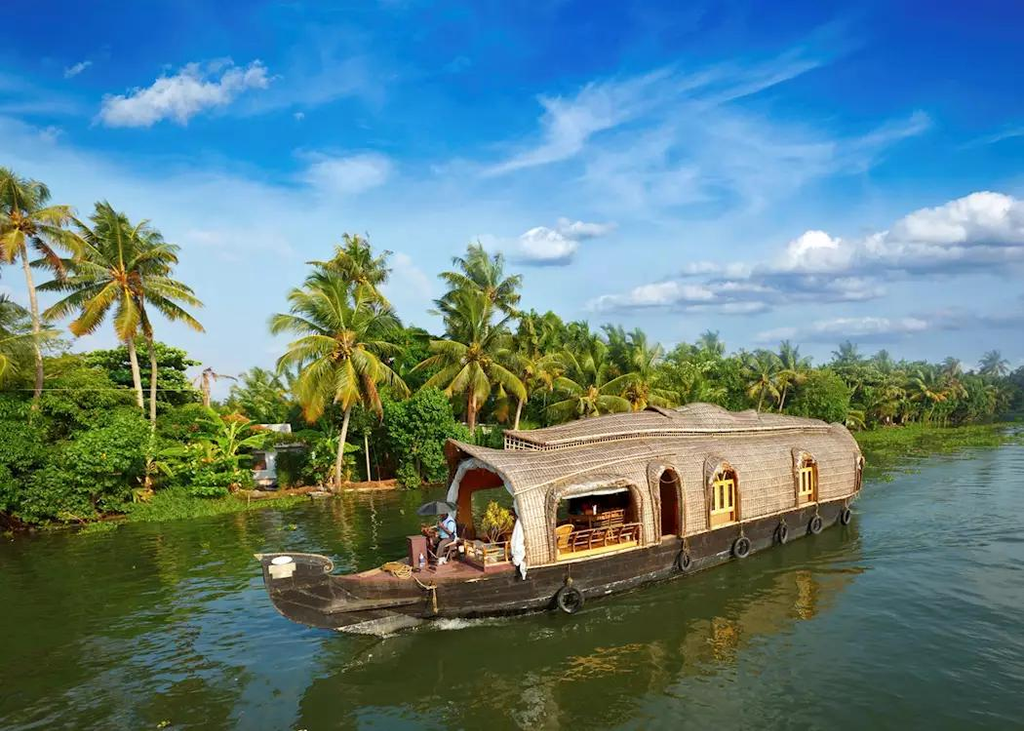
One useful strategy is to combine affordable destinations with more expensive experiences. For instance, you might spend a few days in budget-friendly Varanasi before enjoying a comfortable heritage hotel in Jaipur. Similarly, you could explore inexpensive local attractions in Kerala before booking a special backwater houseboat experience. This balance allows you to enjoy memorable experiences without paying premium prices throughout the entire holiday.
10. Seasonal Differences and Travel Expenses
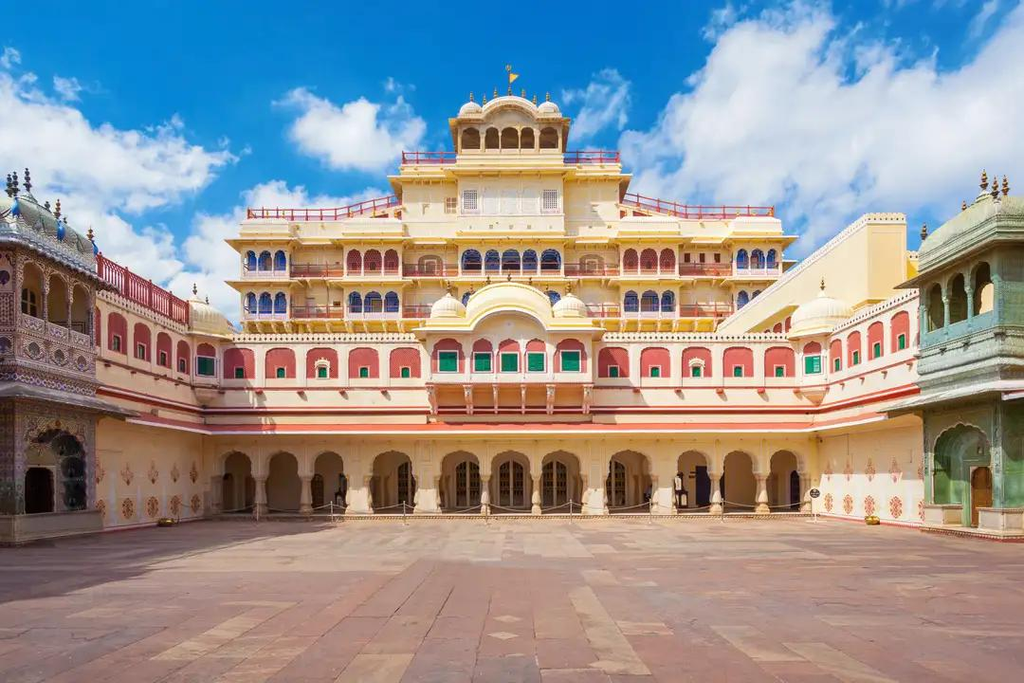
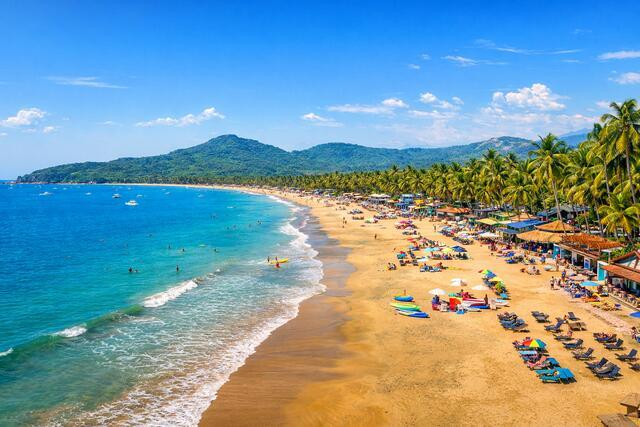
The season in which you visit India can significantly affect your travel budget. Popular destinations often become more expensive during school holidays, festivals, winter tourism periods, and major public holidays. Hotels may increase their rates when demand rises, and popular train routes or flights can become harder to book at affordable prices. For example, Rajasthan is particularly attractive during the cooler months, while Goa experiences strong tourist demand during the winter holiday season. If your travel dates are flexible, choosing less crowded periods can help you save money.
Winter, generally from October to March in many North Indian destinations, is a popular time for sightseeing because temperatures are more comfortable. However, greater tourist demand can mean higher accommodation prices. Summer can provide opportunities to find discounted stays in some cities, although extremely hot weather may make sightseeing uncomfortable. Mountain destinations such as Shimla, Manali, and Ladakh follow different seasonal patterns, and their accessibility can depend on weather conditions.
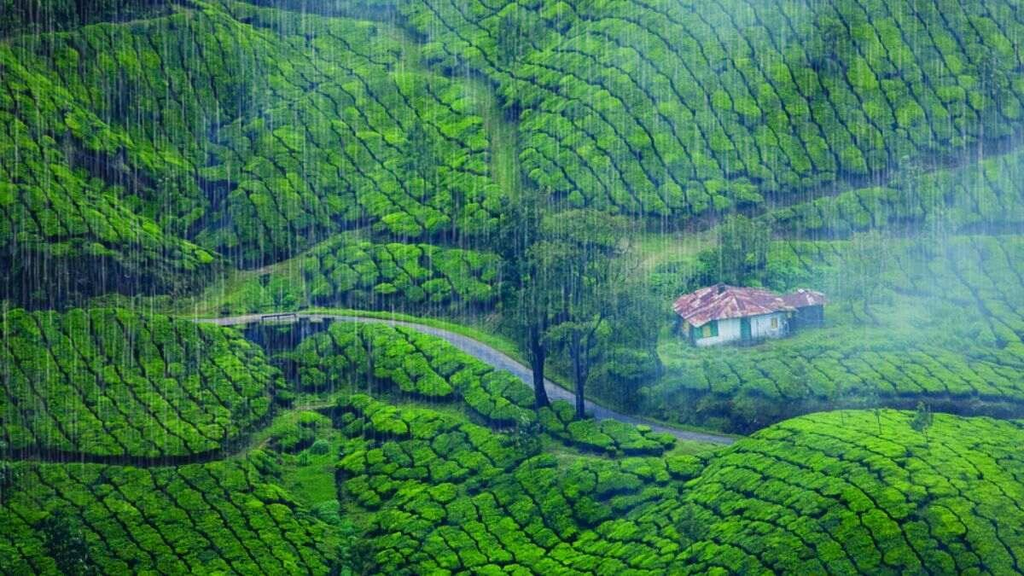
Monsoon travel can also offer attractive opportunities. Kerala, parts of Goa, and several other regions become beautifully green during the rainy season, and some hotels offer lower prices. However, heavy rainfall may affect transportation, outdoor activities, and sightseeing plans. Before booking, research the local weather and check whether your planned activities operate during that period. Saving money is useful, but choosing a season that matches your travel goals is equally important.
11. Budget Travel vs. Mid-Range Travel vs. Luxury Travel
Choosing the right travel style is more important than simply trying to spend as little as possible. A very low budget might require compromises involving accommodation, comfort, and transportation, while an expensive holiday does not automatically guarantee a better experience. Think about what makes a trip enjoyable for you. Do you prefer meeting other travelers in hostels, relaxing in comfortable hotels, or enjoying private tours and premium hospitality? Your answer will help determine which budget category is appropriate.
Budget travel is ideal for backpackers, students, and independent travelers who prioritize experiences over expensive accommodation. You can save money by choosing hostels, using public transportation, eating local food, and visiting free attractions. India is particularly suitable for this style because local markets, historic neighborhoods, temples, beaches, and cultural experiences provide plenty of opportunities to explore without paying high entrance fees. However, you should still prioritize cleanliness, personal safety, and reliable transportation.
Mid-range travel provides a comfortable balance between cost and convenience. You can stay in private rooms, enjoy a combination of local and international restaurants, travel using air-conditioned trains, and hire taxis when necessary. This is often a practical choice for couples and families who want to enjoy their holiday without constantly calculating every small expense. A budget of approximately ₹4,000–₹6,000 per person per day is a reasonable starting point for many mid-range itineraries, although expensive destinations can require more.
Luxury travel focuses on convenience, exclusivity, and personalized experiences. You might stay in heritage palaces, book premium resorts, hire private drivers, enjoy fine dining, and arrange guided sightseeing tours. India has an impressive luxury hospitality industry, making it possible to enjoy extraordinary experiences in Rajasthan, Kerala, Goa, and major metropolitan cities. However, luxury travel has no strict upper spending limit. Exclusive villas, premium suites, private experiences, and luxury transport can increase your expenses substantially.
12. Hidden Expenses You Should Include
One common travel-budget mistake is calculating only accommodation, food, and transportation. Small expenses often appear throughout a holiday, and they can gradually increase your total spending. You might purchase a local SIM card, pay for laundry, buy souvenirs, tip a guide, or take an unexpected taxi because of bad weather. Individually, these expenses may seem insignificant, but together they can create a noticeable difference in your final travel bill.
Here are some additional expenses worth considering:
- Travel insurance: Particularly useful for international visitors and travelers participating in adventure activities.
- Mobile connectivity: SIM cards, data packages, and international roaming charges.
- Visa expenses: Applicable to foreign visitors, depending on nationality and visa category.
- Laundry: Especially relevant for longer holidays.
- Shopping: Clothing, handicrafts, souvenirs, and local products.
- ATM and payment charges: Depending on your bank and payment provider.
- Tips and service charges: Where applicable.
- Emergency expenses: Unexpected transportation, medical assistance, or accommodation changes.
International visitors should also check India’s official visa requirements before departure. Visa fees depend on nationality, visa duration, and category, so they should not be treated as part of a standard daily spending estimate.
A practical recommendation is to keep an additional 10–15% of your planned ground budget as a contingency reserve. This does not mean you need to spend it. It simply gives you flexibility if prices increase, your transportation plans change, or you discover an experience you do not want to miss.
13. Practical Ways to Save Money While Traveling in India
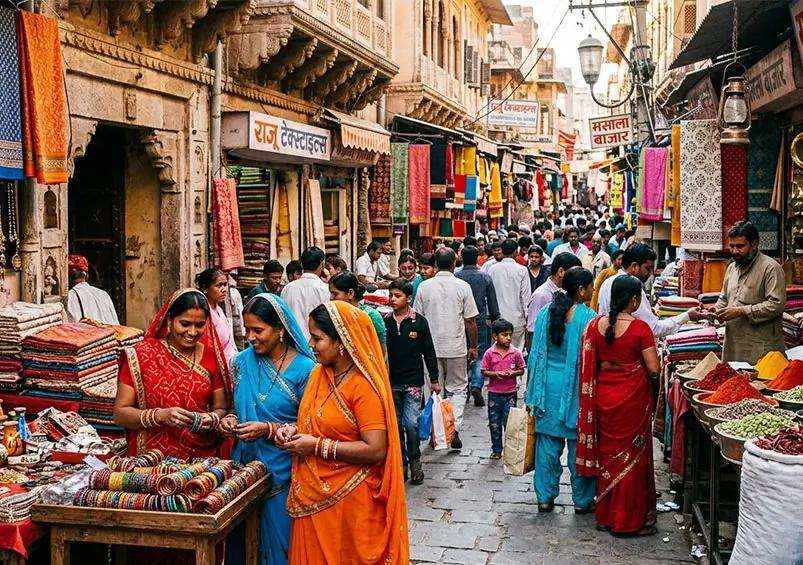
Traveling economically in India does not mean missing out on its best experiences. In fact, some of the most memorable moments happen when you explore local neighborhoods, eat traditional food, travel by train, and interact with people. You can enjoy a fantastic holiday while keeping your expenses under control if you make a few smart decisions before and during your journey.
The first important step is to book accommodation and long-distance transportation early whenever your itinerary is fixed. Popular routes and tourist destinations can become expensive during peak travel periods. Comparing different booking platforms, checking cancellation policies, and reading recent reviews can help you find better value. However, do not choose accommodation based only on the lowest advertised price. A clean, centrally located hotel may save you money on transportation and provide a much more comfortable experience.
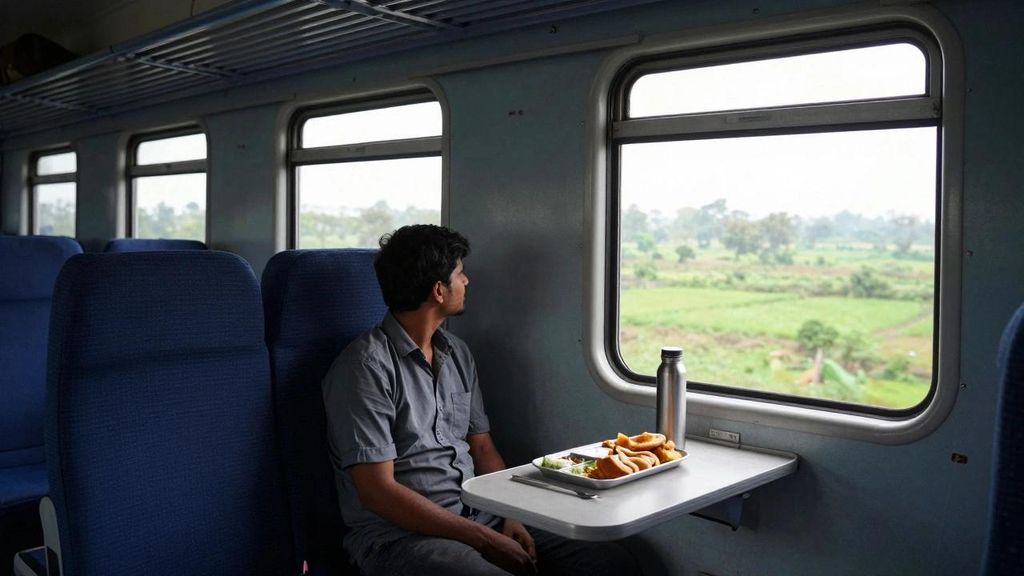
Another effective strategy is to use local transportation whenever practical. Metro systems in cities such as Delhi, Bengaluru, and Kolkata can be significantly cheaper than relying on taxis for every journey. Auto-rickshaws and public buses can also provide affordable transportation, although you should confirm fares and routes before traveling. For longer journeys, compare train, bus, and flight prices rather than automatically choosing the fastest option. Overnight trains can sometimes reduce accommodation expenses while helping you cover considerable distances.
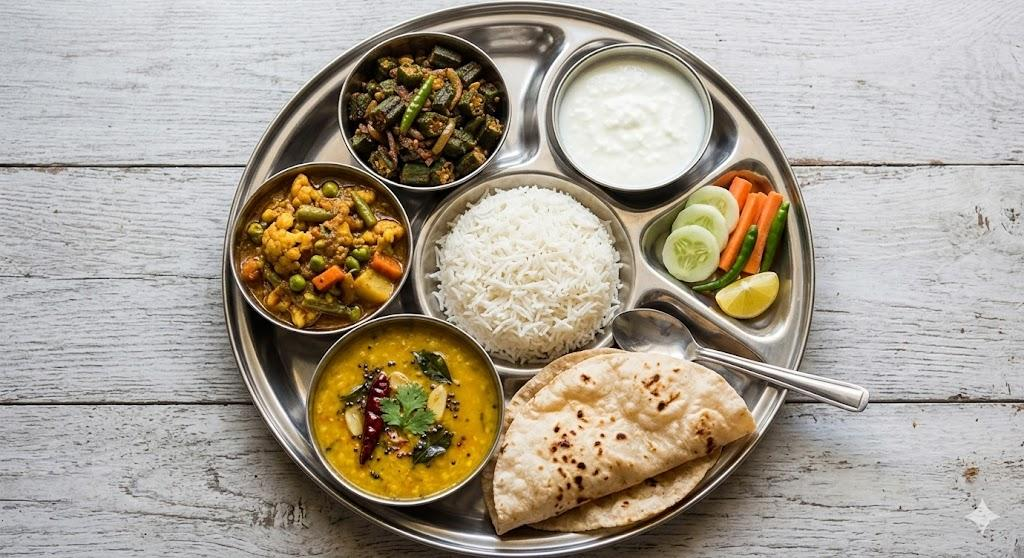
Food is another area where you can manage your spending without sacrificing enjoyment. Instead of eating exclusively at expensive tourist restaurants, explore popular local eateries and traditional restaurants. A freshly prepared thali can offer a filling meal at a reasonable price. You can also enjoy local breakfast dishes, seasonal fruits, and regional specialties. Just remember to choose establishments that maintain good food hygiene.
Finally, avoid packing too many destinations into a short itinerary. Every additional destination can mean extra transportation expenses, hotel check-ins, and lost sightseeing time. Staying longer in fewer places often produces a more enjoyable and economical holiday. India is a country worth exploring slowly, so give yourself enough time to experience each destination rather than treating your vacation like a race.
14. Creating a Realistic Daily India Travel Budget
Now that you understand the major expenses, it is time to create a practical budget for your own journey. Start by selecting your destinations and deciding how many days you want to spend in each location. Then research accommodation prices, transportation options, food costs, and entrance fees for your planned activities. This gives you a more accurate estimate than relying on a single national average.
For example, imagine you are planning a seven-day holiday across Delhi, Agra, and Jaipur with a mid-range budget. You want private hotel rooms, comfortable transportation, a mixture of local and restaurant meals, and visits to famous monuments. Your daily spending might look something like this:
| Daily expense | Estimated cost |
|---|---|
| Hotel accommodation (shared by two) | ₹2,000 |
| Breakfast, lunch, and dinner | ₹1,200 |
| Local transportation | ₹600 |
| Sightseeing and activities | ₹800 |
| Snacks and miscellaneous expenses | ₹300 |
| Total per person per day | ₹4,900 |
For seven days, this would amount to approximately ₹34,300 per person, excluding major intercity transportation and international flights. If two people share a hotel room, their combined daily ground budget would be approximately ₹9,800. The actual amount will depend on hotel prices, the attractions visited, and transportation arrangements.
You can use this simple calculation for almost any Indian itinerary:
Total trip budget = Daily expenses × Number of days + Intercity transportation + One-time expenses + Emergency reserve.
It is also helpful to track your spending during the trip. A basic spreadsheet or mobile budgeting application can help you record hotel payments, meals, transportation, and sightseeing expenses. Reviewing your spending every evening makes it easier to identify areas where you can save money during the remaining days.
Most importantly, leave some room for spontaneity. You might discover a beautiful cafe, a local festival, an interesting guided tour, or a scenic destination that was not included in your original itinerary. A good travel budget should give you control over your spending without preventing you from enjoying unexpected experiences.
Conclusion
So, how much does an India trip actually cost per day? The answer depends on your travel style, destination, and expectations, but India remains an excellent destination for travelers with different budgets. You can explore the country on approximately ₹1,800–₹3,400 per day with budget accommodation and local transportation, enjoy a comfortable holiday for ₹3,450–₹7,000 per day, or experience premium hospitality with a luxury budget of ₹11,500–₹26,500 or more.
The biggest advantage of traveling in India is the flexibility it offers. You do not need an enormous budget to discover historic monuments, beautiful landscapes, delicious regional food, and fascinating cultural experiences. By booking accommodation early, choosing suitable transportation, eating at local restaurants, and planning your sightseeing expenses, you can make your money go much further.
Before booking your holiday, calculate your accommodation, meals, transportation, activities, and additional expenses separately. Remember that international flights, visa fees, and major intercity journeys can increase your overall spending.
Whether you are planning a short seven-day holiday or a month-long adventure, India has something special to offer. Plan wisely, travel comfortably, and focus on experiences rather than simply counting expenses.
Frequently Asked Questions (FAQs)
1. Is ₹2,000 per day enough to travel around India?
Yes, ₹2,000 per day can be enough for budget-conscious travelers visiting relatively affordable destinations in India. You can stay in hostels or inexpensive guesthouses, eat at local restaurants, use public transportation, and explore free or inexpensive attractions. However, expensive cities such as Mumbai and popular destinations such as Goa during peak season may require a larger budget. Long-distance transportation should also be calculated separately.
2. How much money does a foreign tourist need per day in India?
A foreign tourist can generally plan around ₹2,500–₹3,500 per day for economical independent travel, while a comfortable mid-range holiday may require approximately ₹4,000–₹7,000 per day. Luxury travelers should consider ₹11,500 or more depending on their accommodation and activities. International flights, visa fees, travel insurance, and major intercity transportation are additional expenses.
3. Which Indian destinations are cheapest to visit?
Destinations such as Varanasi, Rishikesh, Jaipur, Agra, and some smaller towns offer opportunities for affordable travel. Budget-friendly accommodation, inexpensive local food, and public transportation can help reduce expenses. However, prices vary depending on the season and your preferred travel experience.
4. Is India expensive for a two-week holiday?
India does not have to be expensive for a two-week holiday. A budget traveler might spend approximately ₹25,200–₹47,600 on everyday expenses, while a mid-range traveler could spend ₹48,300–₹98,000. Luxury travel can cost considerably more. These estimates exclude international flights, major intercity transportation, visa fees, and shopping.
5. Should I carry cash or use digital payments in India?
It is sensible to use a combination of cash and digital payments. UPI is widely used by Indian businesses, restaurants, shops, and transportation providers, while cards are accepted at many hotels and larger establishments. However, international visitors may not always be able to access UPI services, depending on their eligibility and payment arrangements. Carry some Indian rupees for small purchases, local markets, and places that do not accept electronic payments.
