

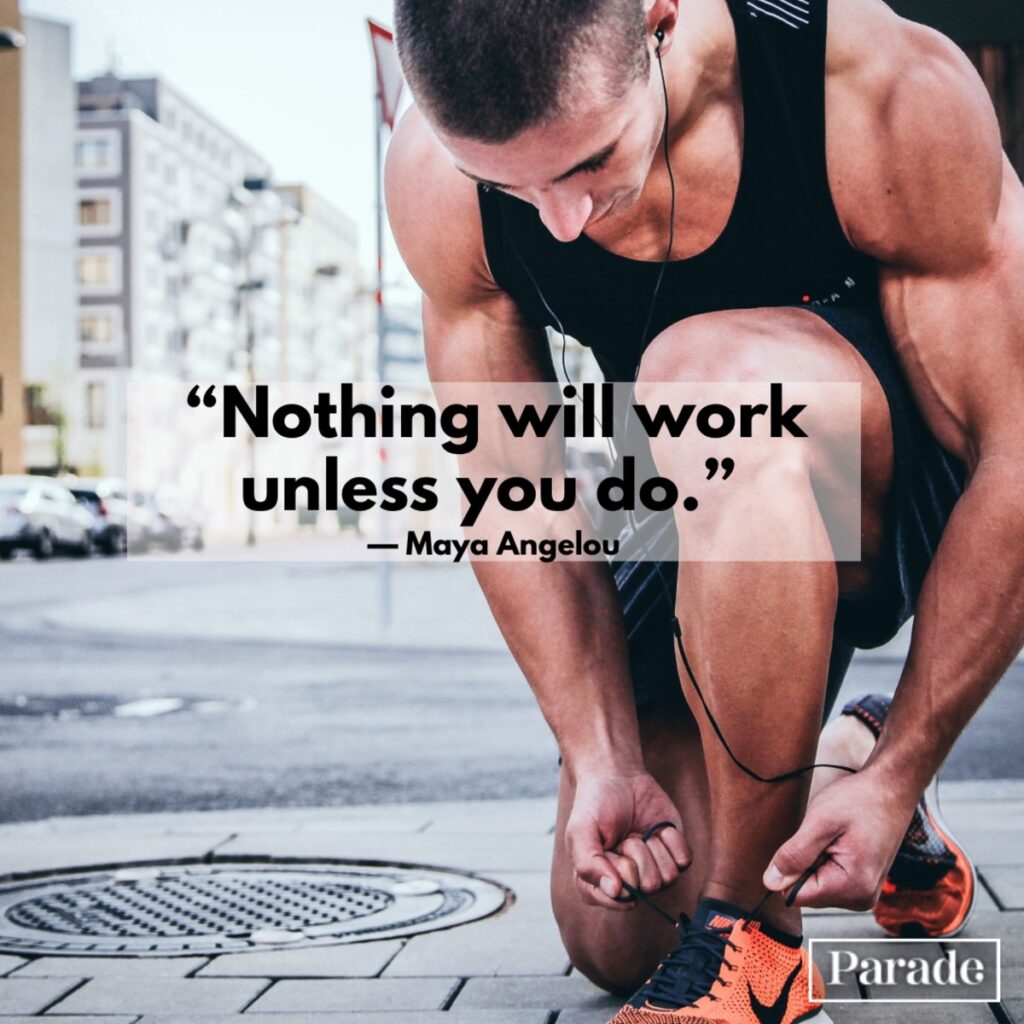
Exercise is widely known for its physical and mental health benefits, yet when motivation is absent, even the simplest workout can feel like an uphill battle. For many, lack of motivation isn’t a character flaw — it’s a natural part of human behavior shaped by psychology, habits, and daily life demands. Understanding how to work with these realities can help you exercise despite low motivation and eventually build consistency that feels almost automatic.
In this guide, you’ll find expert-informed strategies that break down why motivation fades and how to exercise anyway — with practical examples rooted in behavioral science and real-world experience.
Understanding Motivation: Why It Fades
Motivation isn’t a switch you can flip at will. It’s influenced by internal drivers (like enjoyment and values) and external cues (like schedules and social support). Research shows that people who experience intrinsic motivation — doing an activity because it feels rewarding within itself — are more likely to stick with exercise over time than those driven by external pressures or abstract goals.
The Science Behind Motivation
Psychological theories help explain why you might want to exercise and yet not follow through. For instance:
- Self-Determination Theory suggests that feeling competent, autonomous, and connected to what you’re doing helps sustain motivation.
Implementation Intentions — planning exactly when, where, and how you will exercise — significantly increases the chance you’ll do it.

Start Small: The Power of Micro-Workouts
When motivation is zero, the thought of a long workout can be paralyzing. Focus instead on tiny, manageable actions that feel easy.
Practical Example
- Set a 10-Minute Rule: Commit to just ten minutes of movement. Often, once you start, you’ll find yourself continuing past the minimum.
- Sneak Activity Into Your Day: Do squats while waiting for your coffee, take a brisk walk after lunch, or stretch during TV commercials.
Moments of exercise don’t always need to be formal workouts — consistency matters more than duration in the early stages.
Make It Part of Your Routine
Consistency thrives on habit more than passion. When exercise becomes part of your daily rhythm, motivation becomes less critical.
How to Build the Habit
- Schedule It: Put workouts on your calendar like any important appointment.
- Cue-Action Planning: Use if-then plans — e.g., “If it’s 7 a.m., I put on my sneakers.” These cues reduce decision fatigue.
- Habit Stacking: Attach exercise to an existing habit — like stretching right after brushing your teeth.
This turns exercise into a predictable part of your day rather than a willpower test.
Align With What You Value
Motivation is stronger when actions connect to personal values and immediate rewards, not distant outcomes.
Practical Application
- Define Your “Why”: Maybe exercise boosts energy to play with kids, improves mood, or helps you sleep better. Write down these reasons and revisit them before workouts.
- Reward Yourself: Track small wins and celebrate them. A short walk followed by a favorite podcast can become a positive feedback loop.
This approach aligns with expert insights suggesting that linking fitness to personal values and enjoyment reinforces motivation over time.

Use Social Support and Accountability
Working out with others — even virtually — can boost motivation and enjoyment.
Options That Work
- Join Classes or Groups: Group exercise increases a sense of belonging and makes workouts feel more fun.
- Partner Up: Commit to exercising with a friend or family member. The promise of showing up for someone else can be more compelling than showing up for yourself.
- Online Communities: Share progress or challenges with an accountability group or fitness app.
Social contexts create external cues and rewards that reinforce consistency.
Adjust Expectation and Celebrate Progress
When motivation is low, it’s easy to fall into a perfection trap. Instead:
- Set Realistic Targets: Aim for consistency over intensity.
- Track Progress: Seeing real improvements — like moving more days per week — boosts confidence and motivation.
- Be Kind to Yourself: Motivation fluctuates. If you miss a session, reset and plan the next one.
Conclusion
Exercising with zero motivation doesn’t mean you’ll never feel motivated — it means learning how to act when you don’t. By breaking tasks into small steps, embedding movement into daily habits, tying your workouts to meaningful values, and using social and psychological strategies, you create a structure that supports action even on low-motivation days.
Motivation may come and go, but habits — once formed — carry you forward. Start small, plan, and let consistent action build the momentum that pure willpower cannot.
